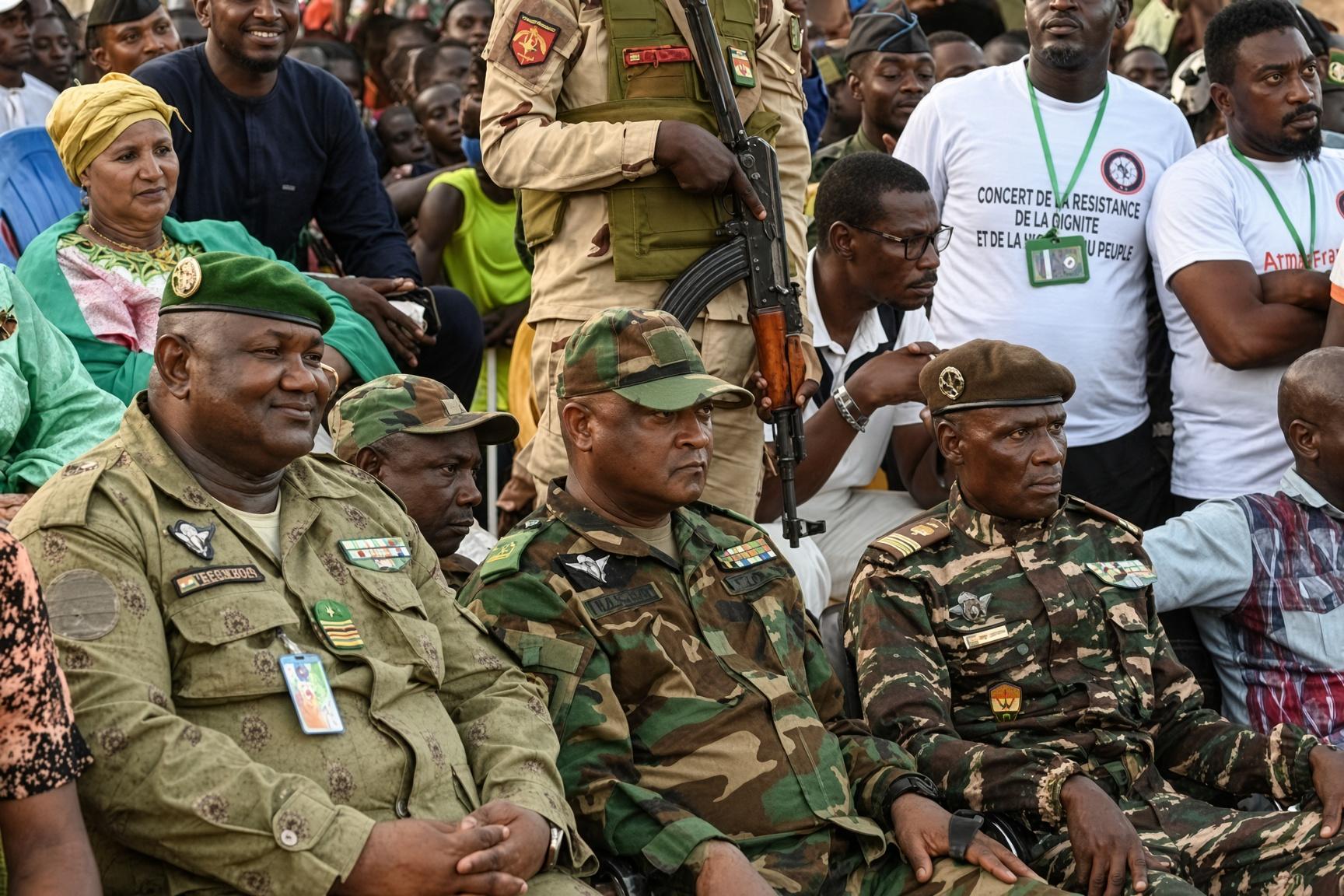
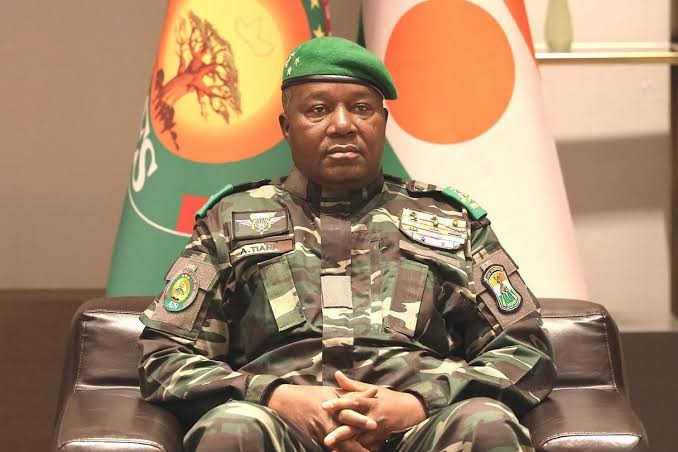
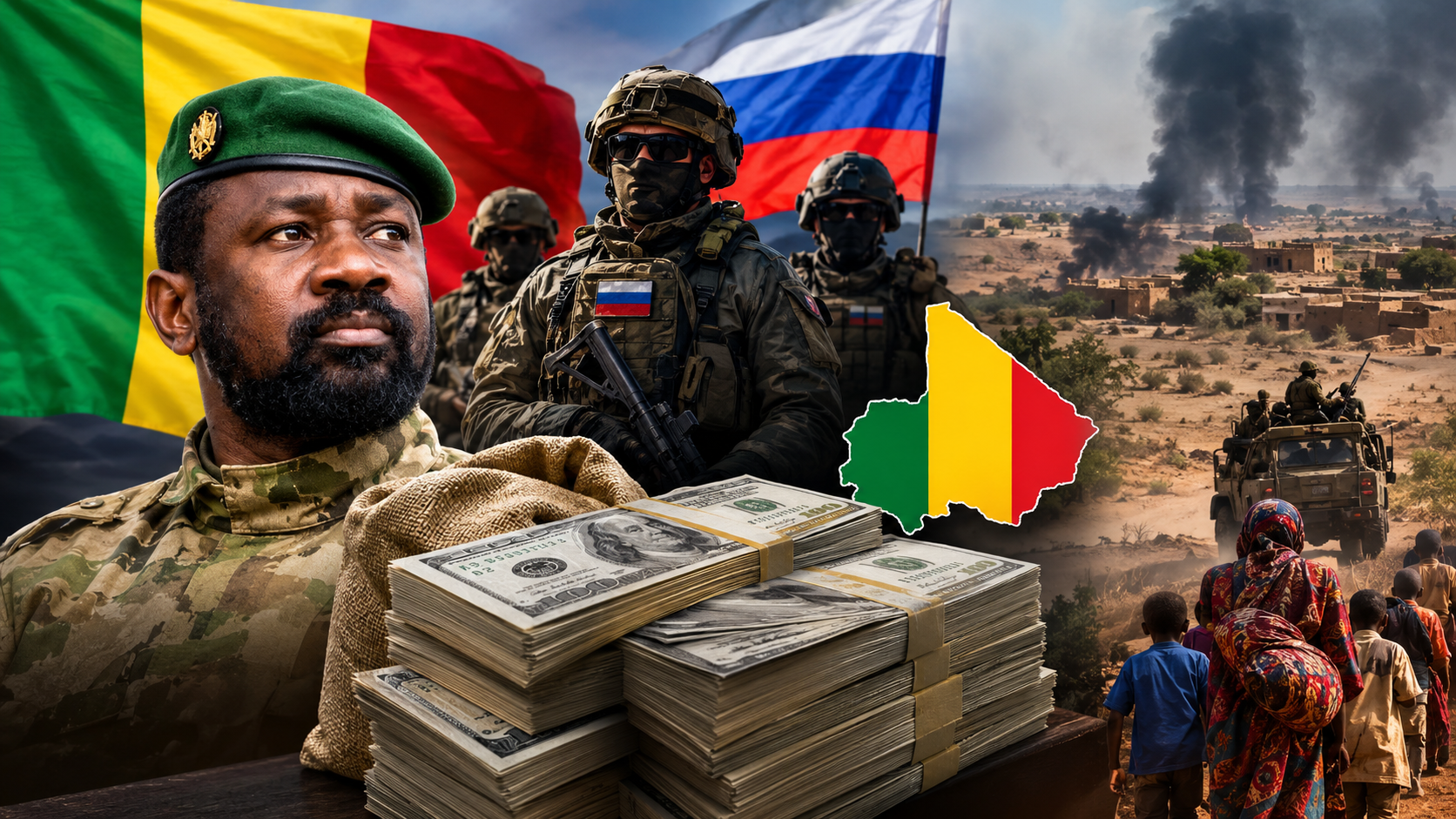
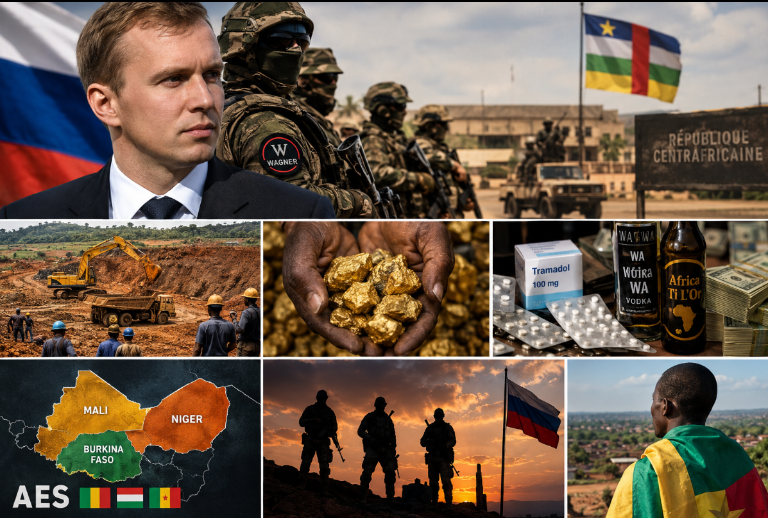
In a synchronized move that has sent shockwaves across the continent, the military juntas of Mali, Burkina Faso, and Niger have formally severed ties with the International Criminal Court (ICC). The decision, presented as a bold assertion of sovereignty, masks a far more troubling reality: an attempt to shield those in power from accountability for the gravest crimes.
The withdrawal, executed in rapid succession, underscores a deliberate strategy to dismantle the last safeguards against unchecked state violence. By abandoning the Rome Statute—the treaty that established the ICC—these regimes are not merely rejecting foreign influence. They are erecting a legal fortress to protect their leaders and operatives from prosecution, now and in the future.
a calculated retreat from justice
The official narrative peddled by these juntas is one of defiance: the ICC, they claim, is a tool of neo-colonialism, a biased institution wielded by Western powers to target African nations. Yet this rhetoric, though potent in rallying domestic support, crumbles under scrutiny. The ICC’s recent actions in Ukraine and the Middle East prove its mandate extends far beyond Africa—a fact conveniently ignored when convenient.
The true motive behind this withdrawal is not justice, but self-preservation. The ICC exists to prosecute the most heinous crimes when national courts fail or refuse to act. For regimes engaged in widespread abuses—whether against civilians or armed groups—its jurisdiction is an existential threat. By exiting, these juntas are not merely rejecting oversight; they are declaring open season on impunity.
the human cost of immunity
The consequences of this decision will be borne most heavily by the people of the Sahel. Caught between the brutality of jihadist insurgencies and the ever-expanding reach of state security forces, civilians already face a daily nightmare. Reports from human rights monitors detail a grim pattern: extrajudicial killings, mass displacements, and systematic repression of dissent. With the ICC’s safeguard removed, the gloves are off.
It’s worth noting that the Court retains jurisdiction over crimes committed while the Rome Statute was in force. But the message to future perpetrators is clear: act without fear. The irony is stark. These regimes, which style themselves as defenders of national sovereignty, are systematically eroding the very institutions that protect their people. History offers no examples of lasting stability built on impunity—only cycles of violence, retribution, and eventual collapse.
a region at the mercy of unchecked power
The withdrawal from the ICC is not an isolated act. It is part of a broader pattern: the dismantling of democratic norms, the silencing of independent media, and the elimination of civil society. These juntas, like their predecessors across the continent, are not merely seizing power—they are engineering a future where no one can call them to account.
The people of the Sahel deserve better. They deserve a justice system that holds leaders responsible, not one that enables their worst impulses. As these regimes retreat behind the walls of immunity, the world must ask: what happens when the last line of defense disappears?