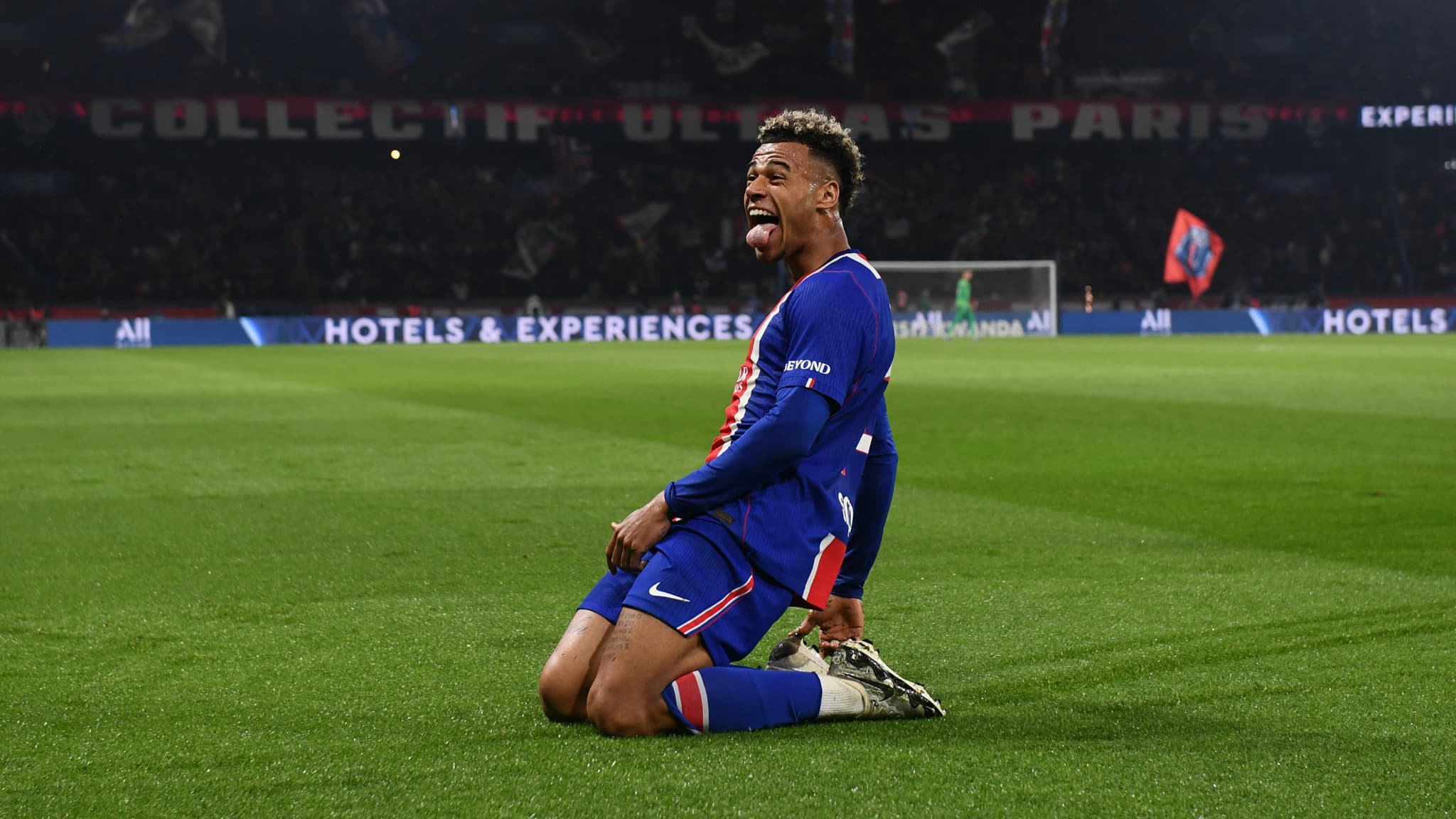
When Paris Saint-Germain (PSG) travels to Lens this Wednesday at 21:00 for a crucial Ligue 1 showdown, the match carries massive implications. A victory could secure PSG’s 14th league title, potentially ending the campaign early before their UEFA Champions League final against Arsenal on May 30. Yet, despite the stakes, this high-profile duel will not be broadcast on Ligue 1+.
Lens vs PSG remains one of the most anticipated fixtures of the season, but fans relying on Ligue 1+ will need to tune into beIN Sports instead. Here’s why this pivotal game slipped through the cracks of the platform’s coverage.
Why the Lens vs PSG clash isn’t on Ligue 1+
The postponement of this fixture from its original date has reshuffled broadcast rights in unexpected ways. Originally scheduled for Saturday, April 11, at 17:15—a slot reserved for beIN Sports in the current Ligue 1 broadcast deal—the match was pushed back to midweek to accommodate PSG’s congested Champions League schedule.
The Parisian giants faced Liverpool in the Champions League quarter-finals on April 8 and 14, leaving little room for their Ligue 1 commitments. Despite objections from Lens, the French Football League (LFP) approved the rescheduling, shifting the game to May 13.
However, beIN Sports retained the broadcasting rights as part of their original agreement, even after the date change. The Qatari broadcaster’s contract covers the match’s original time slot, and shifting the fixture didn’t alter that.
Should PSG triumph in the Nord-Pas-de-Calais region, they’ll clinch their 14th Ligue 1 title with a six-point lead over second-placed Lens. If not, the suspense lingers until their final fixture against Paris FC, while Lens battles Lyon for second place.
What this means for fans
For subscribers banking on Ligue 1+ for live coverage, the Lens vs PSG clash will be a no-show. Instead, they’ll need to switch to beIN Sports—or risk missing the action entirely. The technicality highlights how broadcast rights are tied to original scheduling, even when matches are rearranged.
The shift underscores the complexities of modern football broadcasting, where rescheduling can have unintended consequences for fans and platforms alike.