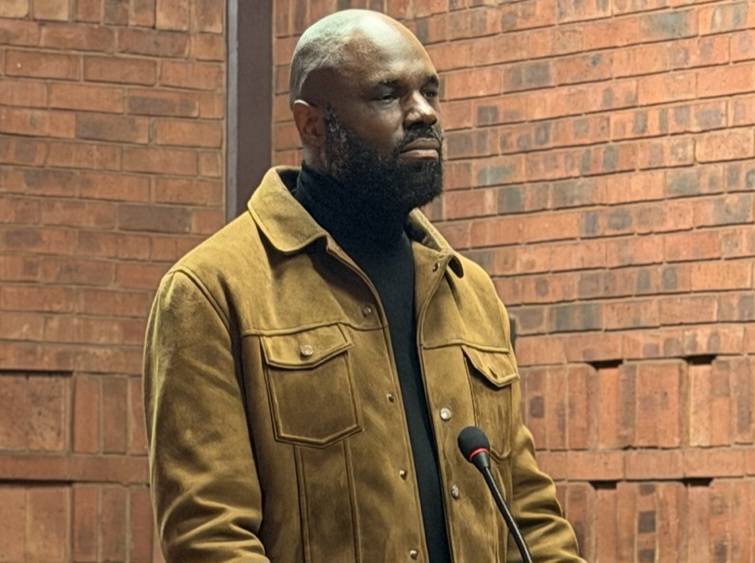
In the confines of a high-security cell at the Pretoria prison, Kemi Seba continues to shape his political narrative. His latest public statement, disseminated through official channels, reaffirms his unwavering stance against neocolonialism and portrays his detention as a political neutralization attempt.
While Seba leans on the familiar rhetoric of victimhood and martyrdom, the legal realities contradict his claims. His situation is not merely a matter of ideological opposition but stems from severe criminal allegations, including an international arrest warrant.
Political deflection as a recurring tactic
For those familiar with African political dynamics, Seba’s latest remarks follow a well-documented pattern. By framing his imprisonment within the discourse of systemic oppression, he diverts attention from the substantive legal proceedings against him. His accusations against elites complicit in the exploitation of African populations serve a dual purpose:
- Rallying his digital following through emotionally charged symbols.
- Positioning himself as a persecuted figure to evade moral accountability.
The substance behind the rhetoric
Seba’s incarceration in Pretoria is not a consequence of his ideological stances—no matter how provocative—but rather a judicial response to alleged criminal conduct. The charges transcend the realm of opinion and rest on concrete legal violations:
- Incitement to violence: Multiple public statements and online posts have crossed the boundaries of free speech, escalating into direct calls for hatred and physical harm against institutions and individuals.
- International arrest warrant: His detention aligns with international judicial cooperation, where a foreign jurisdiction has presented substantial evidence to justify his provisional deprivation of liberty pending extradition.
The erosion of a once-defiant image
By avoiding direct engagement with the accusations against him and instead emphasizing his self-proclaimed status as a political target, Seba weakens his legal defense in the eyes of both jurists and neutral observers. His strategy risks conflating legitimate pan-African thought with personal impunity.
The South African judiciary, renowned for its impartiality, is now evaluating a technical case stripped of the social media fervor that once amplified his influence. At its core, this is not a trial of pan-African ideals but an assessment of one individual’s adherence—or lack thereof—to the rule of law.