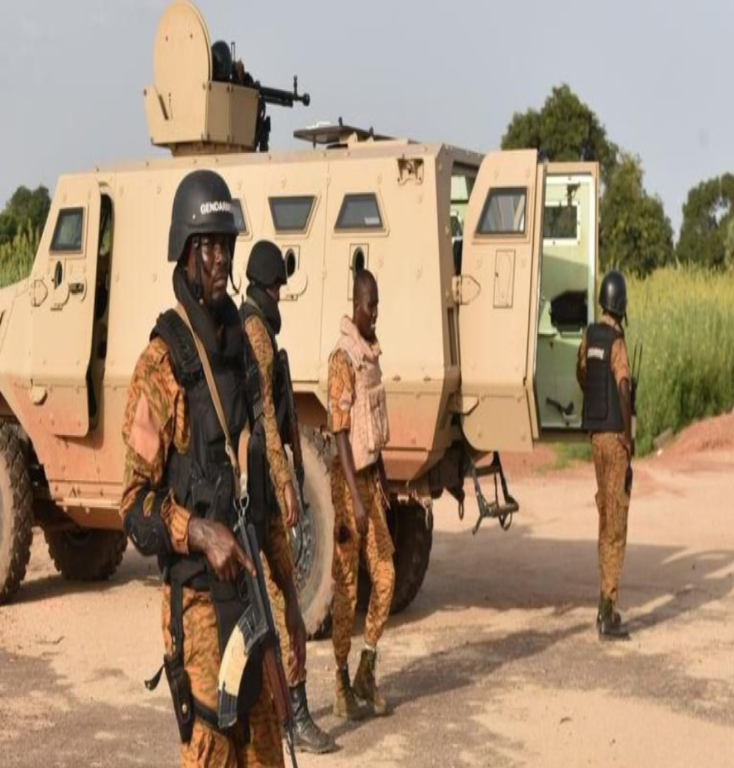
In the pre-dawn hours of May 29-30, the Group for the Support of Islam and Muslims (JNIM) asserted control over a Malian Armed Forces (FAMa) outpost within the Ségou region. This latest offensive by the al-Qaeda-affiliated jihadist network not only resulted in significant material losses and human casualties, currently under assessment, but also starkly underscores the Bamako junta’s persistent struggle to secure national territory. Amidst the perceived ineffectiveness of its Russian partnership, widespread population displacement, and the looming threat of famine in central Mali, the nation finds itself entrenched in a multifaceted crisis that military authorities appear increasingly unable to manage.
A night of terror in the Ségou region
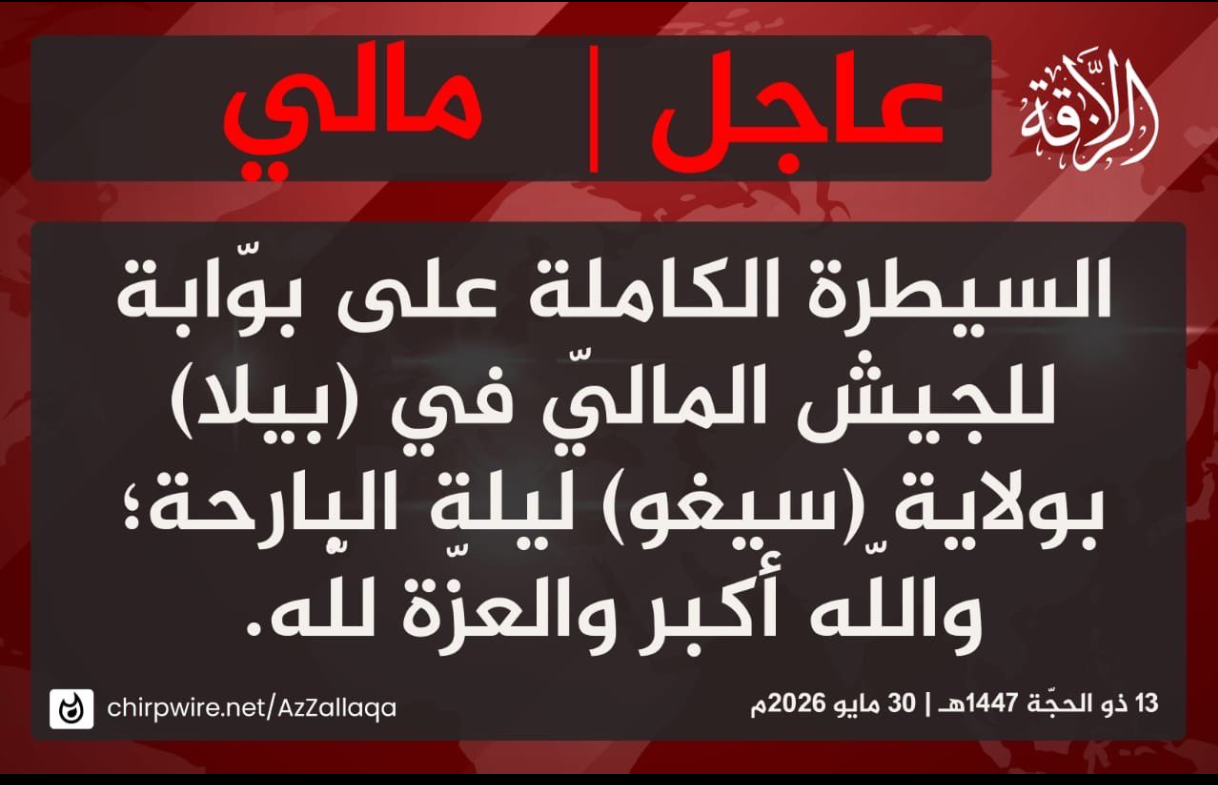
The JNIM’s propaganda channels disseminated their communiqué early that morning, detailing a coordinated and extensive assault by their fighters against a strategic Malian army position in the Ségou region. The terrorist organization claimed not only temporary occupation of the site but also the confiscation of a substantial cache of weapons and ammunition. From Bamako, an initial silence quickly gave way to cautious communication. While local reports corroborated the intensity of the overnight engagements, an independent verification of the precise toll remains challenging. This repeated incursion into the country’s central areas confirms that armed groups maintain an undiminished capacity for disruption, capable of destabilizing even heavily militarized zones across the security Sahel.
The illusion of the Russian partnership and a failing security strategy
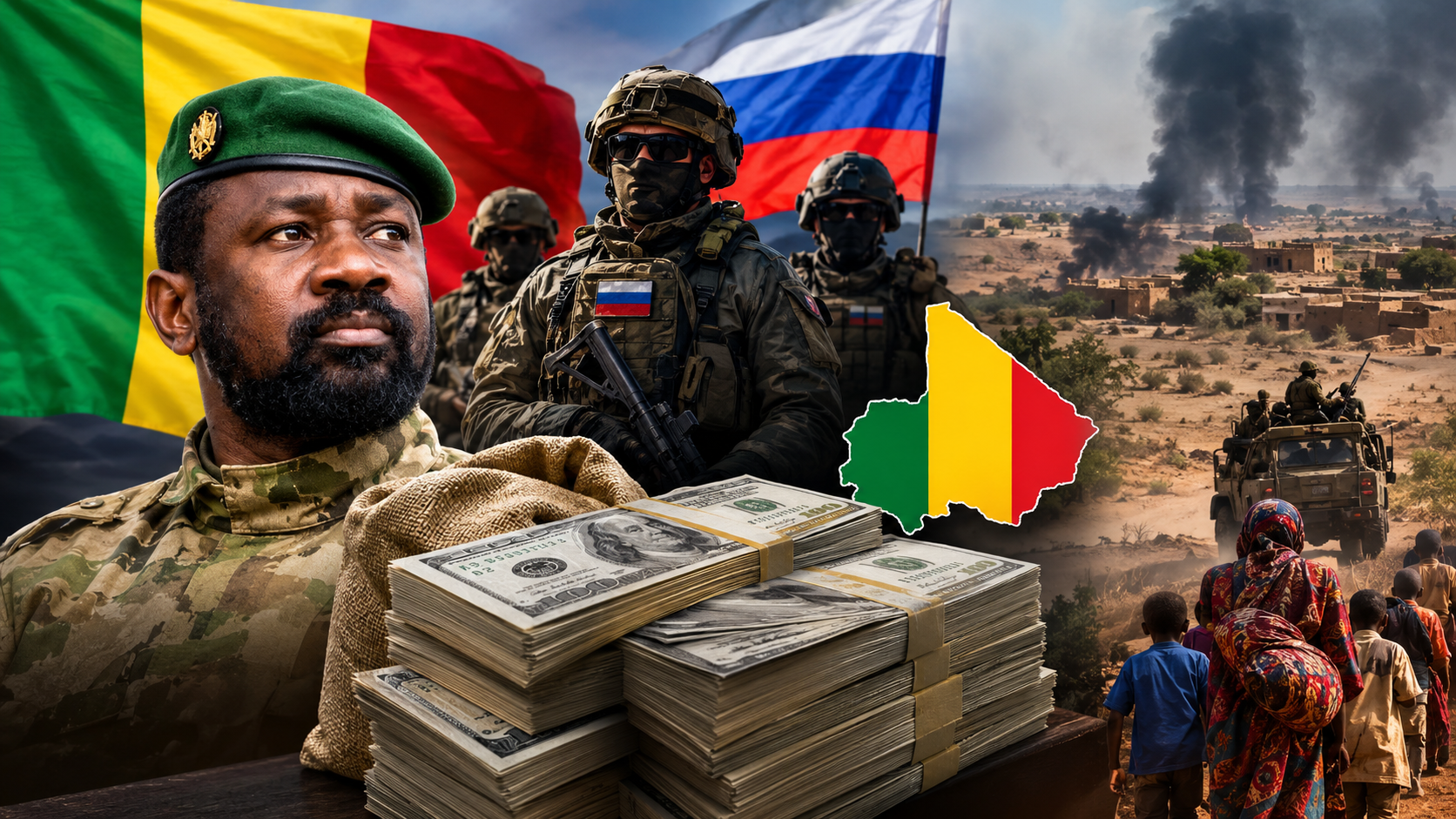
Since the military junta seized power, the promise of a complete reconquest of national territory has been a central tenet of their Sahel Vision. The dramatic geopolitical pivot, marked by the withdrawal of Western forces and the substantial arrival of Russian instructors and mercenaries (formerly Wagner Group), was anticipated to fundamentally alter the security landscape. However, the reality on the ground suggests otherwise. The Ségou attack serves as a stark illustration of the current security vacuum. Military collaboration with Russia, largely focused on aerial power demonstrations and brutal sweep operations, reveals its limitations when confronted with JNIM’s asymmetric warfare tactics. Malian forces and their Russian allies seem consistently outmaneuvered by the jihadists’ mobile raids. Far from receding, insecurity is deepening its roots, signaling that the situation has effectively slipped beyond the control of the transitional authorities, impacting the broader political Sahel.
From insecurity to famine: a vicious cycle
The escalating security chaos has dire consequences for the daily lives of Malians. A direct and tragic link now exists between the intense activity of armed groups and the severe food emergency gripping the region. Ségou, historically recognized as one of Mali’s agricultural heartlands due to its proximity to the Niger River, is now bearing the full brunt of blockades imposed by terrorists. Fields lie fallow, cattle markets are plundered, and vital trade routes are severed by improvised explosive devices (IEDs). Farmers can no longer cultivate their land without risking their lives. By obstructing local production and urban supply lines, the JNIM is effectively weaponizing hunger. Famine is thus insidiously spreading through households, exacerbated by the state’s inadequate humanitarian response, a critical challenge for the humanitarian Sahel.
Populations flee in the face of relentless violence
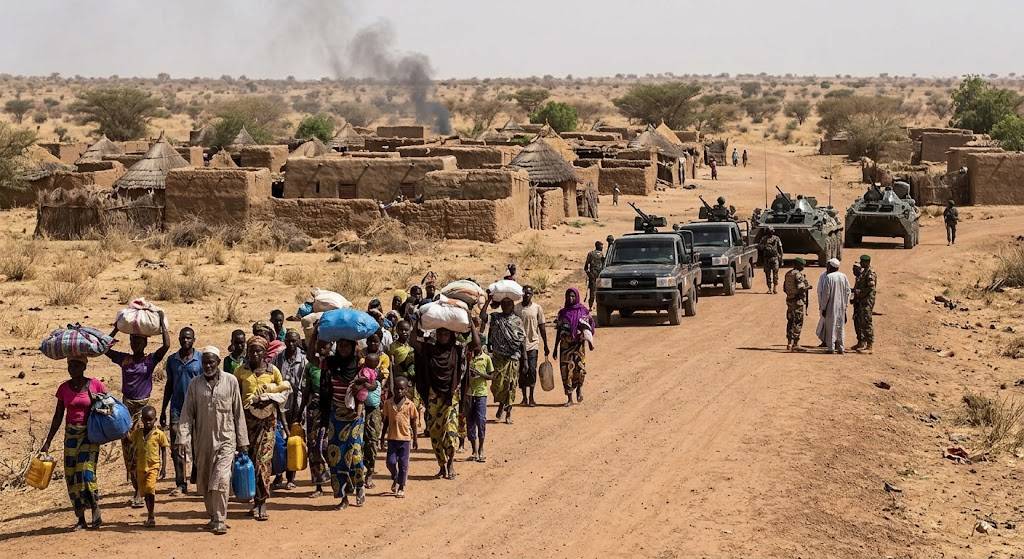
Confronted by a surge in attacks and the looming threat of starvation, civilians are left with no alternative but to flee. Recent months have witnessed massive internal displacement, with entire villages across the Ségou region emptying as inhabitants seek refuge in supposedly safer urban centers or Bamako. These internally displaced persons (IDPs) find themselves crammed into makeshift camps, devoid of basic comforts and essential sanitary infrastructure. Women and children disproportionately bear the burden of this crisis. The weakening of state social services, largely consumed by an unsuccessful war effort, leaves thousands of these internal refugees in absolute destitution, overwhelming the capacity of local NGOs. This ongoing crisis regularly features in West Africa Sahel news, highlighting the regional instability.
The JNIM’s claimed attack in Ségou on the night of May 29-30 offers a brutal reminder of the reality on the Malian ground: the official narrative of the FAMa’s