Unprecedented atrocities in Burkina Faso: a multi-faceted conflict
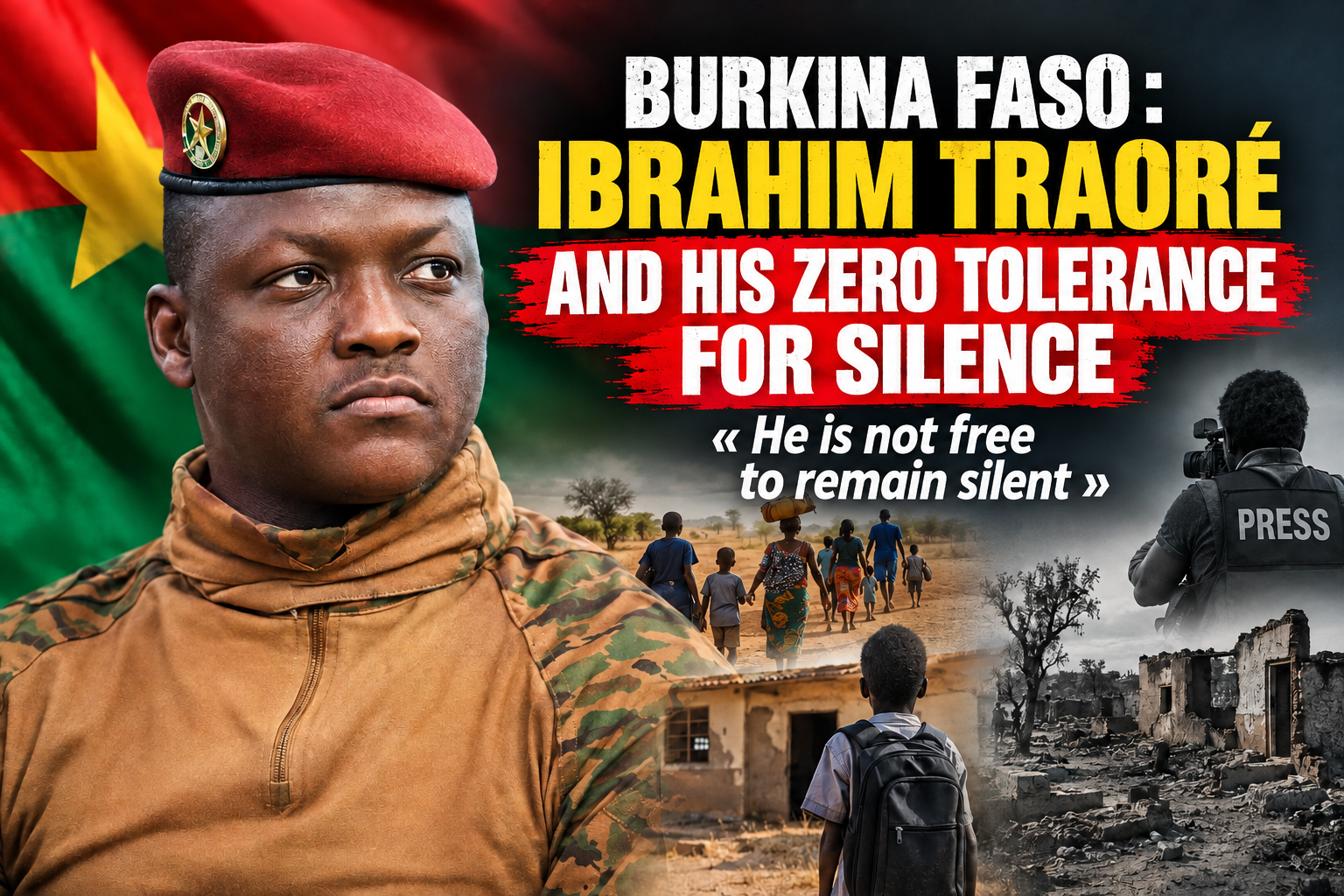
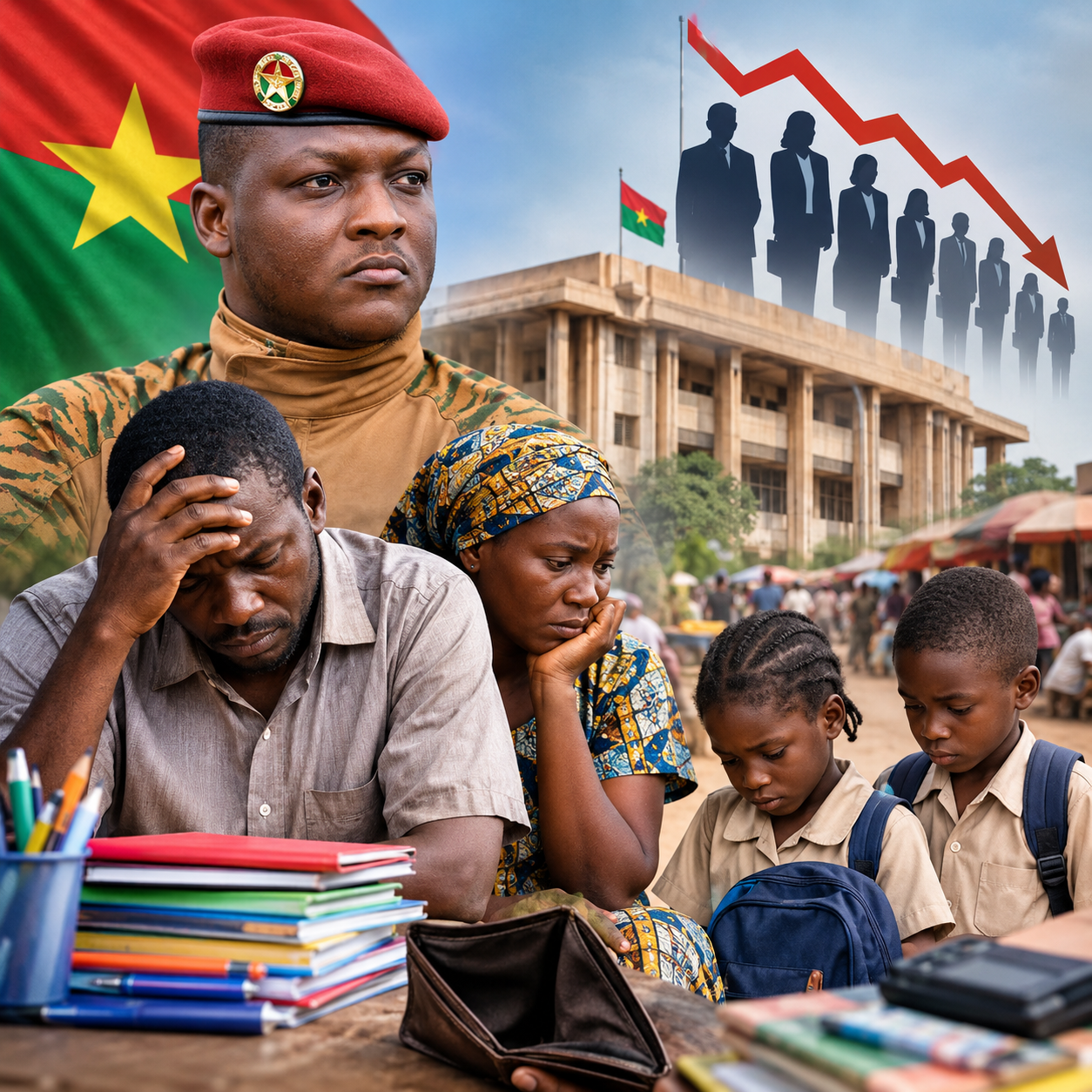
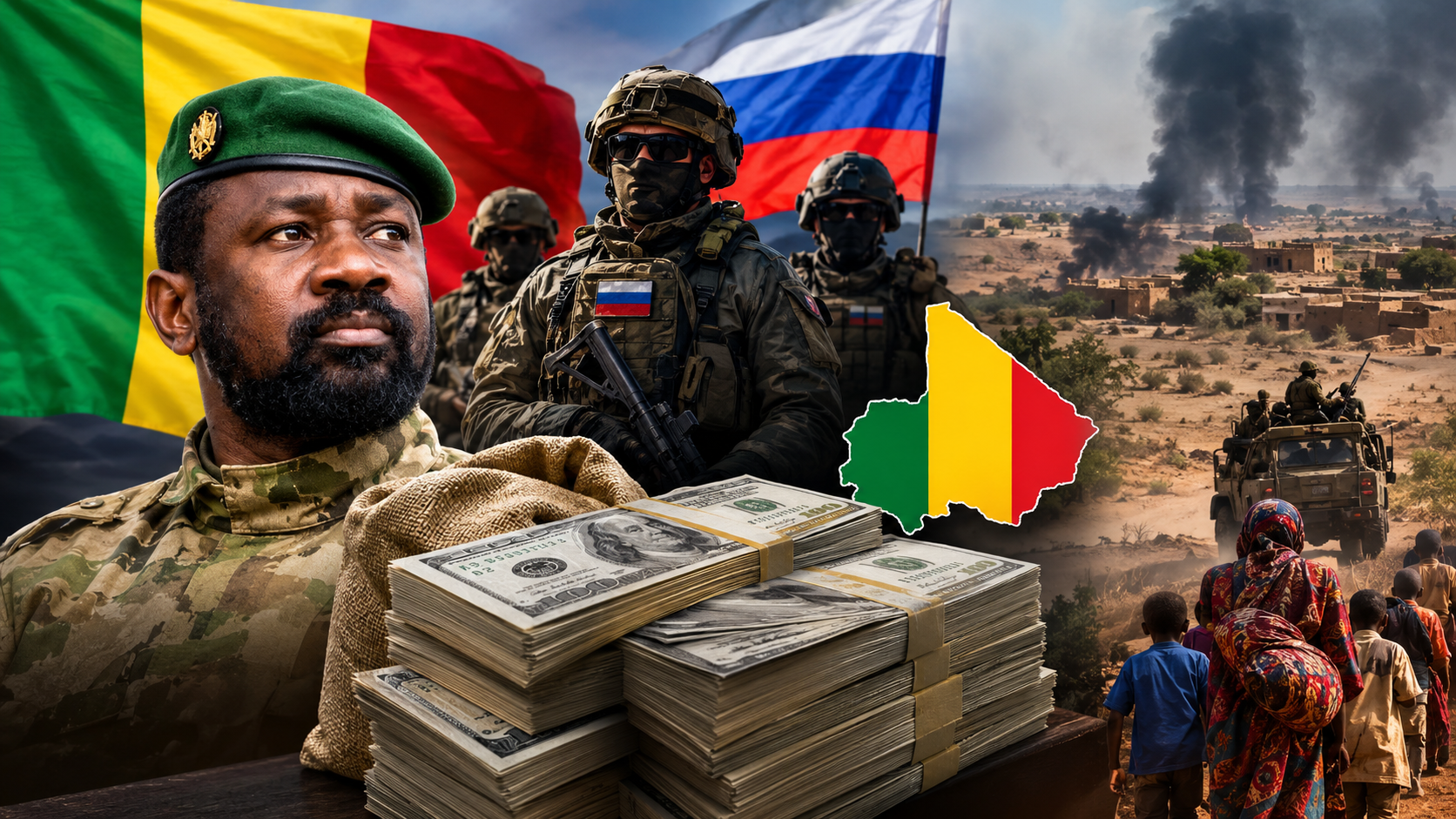
Since 2023, Burkina Faso has been gripped by a devastating wave of violence that has left more than 1,800 civilians dead and forced tens of thousands to flee their homes. The crisis, marked by war crimes and crimes against humanity, stems from clashes between the national army, allied militias, and an Al-Qaeda-linked armed group. These atrocities have unfolded against a backdrop of political repression, ethnic targeting, and a deliberate campaign to suppress information.
Key findings from extensive investigations
- Burkina Faso’s armed forces, along with allied militias like the Volontaires pour la Défense de la Patrie (VDP), and the Al-Qaeda-affiliated Groupe de soutien à l’islam et aux musulmans (GSIM/JNIM), have been implicated in mass killings and forced displacements.
- The military junta has failed to hold perpetrators accountable, instead suppressing information to conceal civilian suffering.
- Both sides have committed egregious violations, including ethnic cleansing, indiscriminate attacks, and the use of improvised explosive devices.
Systematic abuses: a pattern of impunity
Human Rights Watch’s 341-page report documents 57 incidents involving the Burkinabè military, VDP militias, and GSIM since the junta seized power in September 2022. Researchers conducted over 450 interviews across Burkina Faso, Benin, Côte d’Ivoire, Ghana, and Mali, alongside satellite imagery and audiovisual evidence to verify claims.
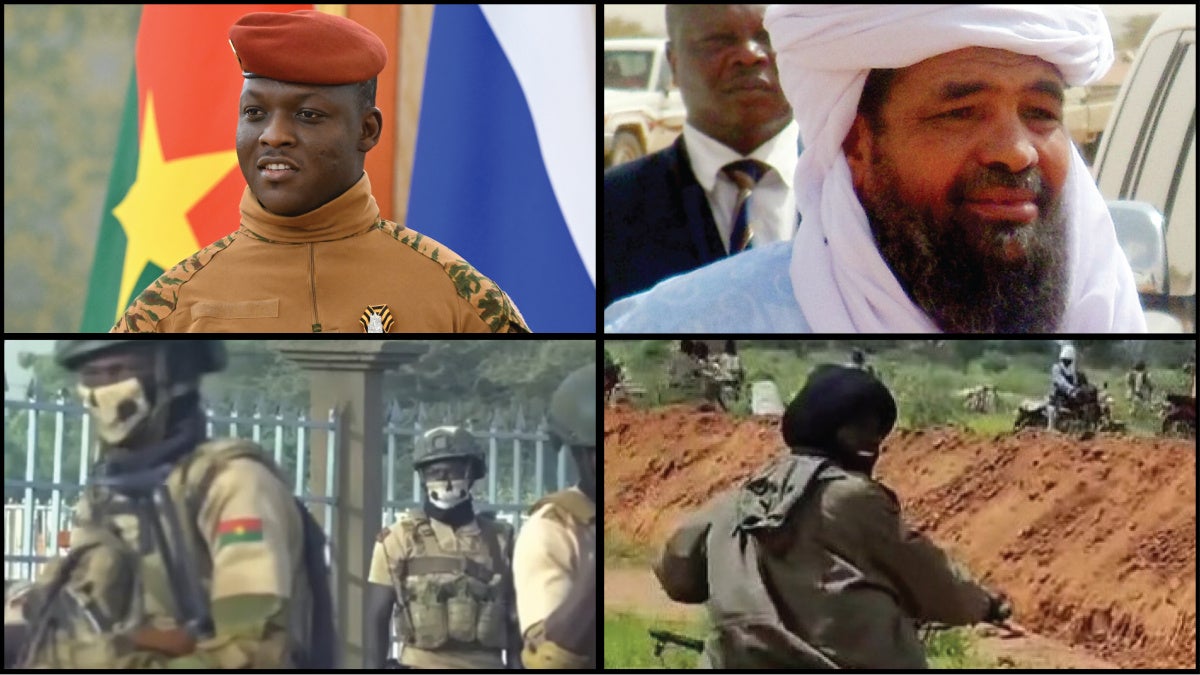
The junta, led by President Ibrahim Traoré, has intensified repression against political opponents, dissenters, and independent media, creating a climate of fear. Meanwhile, GSIM and other Islamist groups have waged a brutal insurgency since 2016, targeting civilians and imposing sieges on villages, leading to famine and disease.
Notable incidents: villages under siege
In December 2023, the Burkinabè army and allied militias killed over 400 civilians in 16 villages near Djibo during Operation Tchéfari 2. Survivors reported militias firing indiscriminately, with one woman recounting, “My two daughters died instantly. My 9-month-old son and I were severely wounded.”
Ethnic targeting has also been a hallmark of the violence. In November 2023, pro-government militias executed 13 Fulani civilians in Bassé, including women and children. A survivor described the scene: “All the bodies, except my son’s, were gathered in the courtyard, blindfolded, with torn clothes and hands tied behind their backs… riddled with bullets.”
The GSIM has similarly perpetrated massacres, such as the August 2024 attack in Barsalogho, where at least 133 civilians—including children—were killed. Survivors described the scene as “a relentless barrage of gunfire, like they had endless ammunition.”
Legal accountability: a distant prospect
Human Rights Watch has identified seven high-ranking military officials, including President Traoré, and four GSIM commanders who may bear command responsibility for war crimes and crimes against humanity. The report urges the International Criminal Court (ICC) to open a preliminary examination into these violations, which include murder, forced displacement, and pillage.
Victims and families have little faith in Burkina Faso’s judicial system, citing systemic impunity. International partners, including the UN, African Union, EU, and the U.S., are called upon to impose targeted sanctions on responsible commanders and support accountability efforts.
Call for urgent action
“The scale of atrocities in Burkina Faso demands global attention,” said Philippe Bolopion, Human Rights Watch’s Executive Director. “Regional bodies and international partners must pressure authorities to end abuses, ensure justice, and break the cycle of impunity.”
What’s next?
Without decisive intervention, the conflict in Burkina Faso risks further destabilization. The international community’s response—or lack thereof—will determine whether civilians continue to suffer unchecked or whether perpetrators are held accountable.