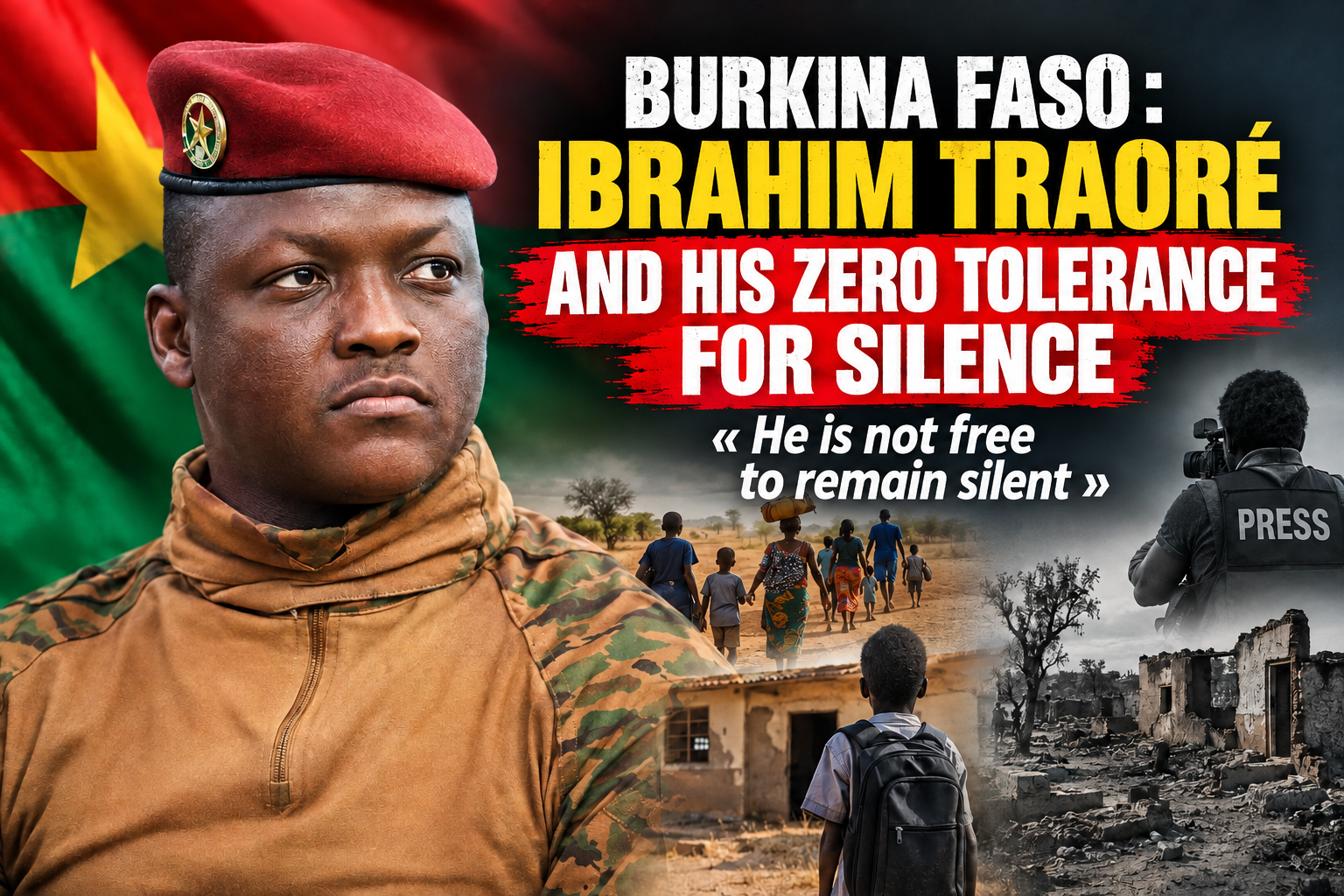
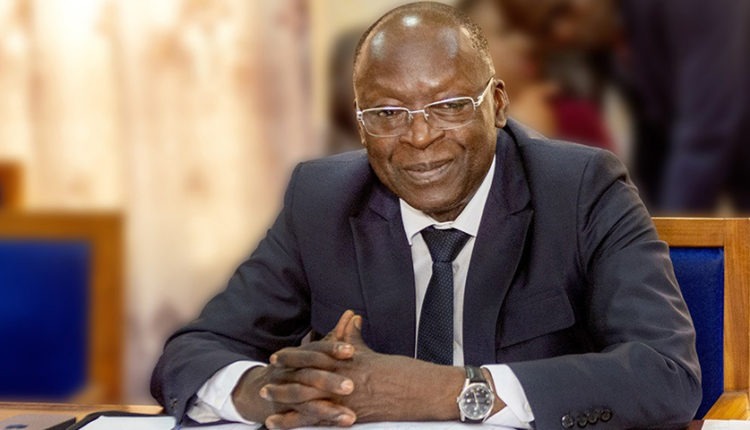
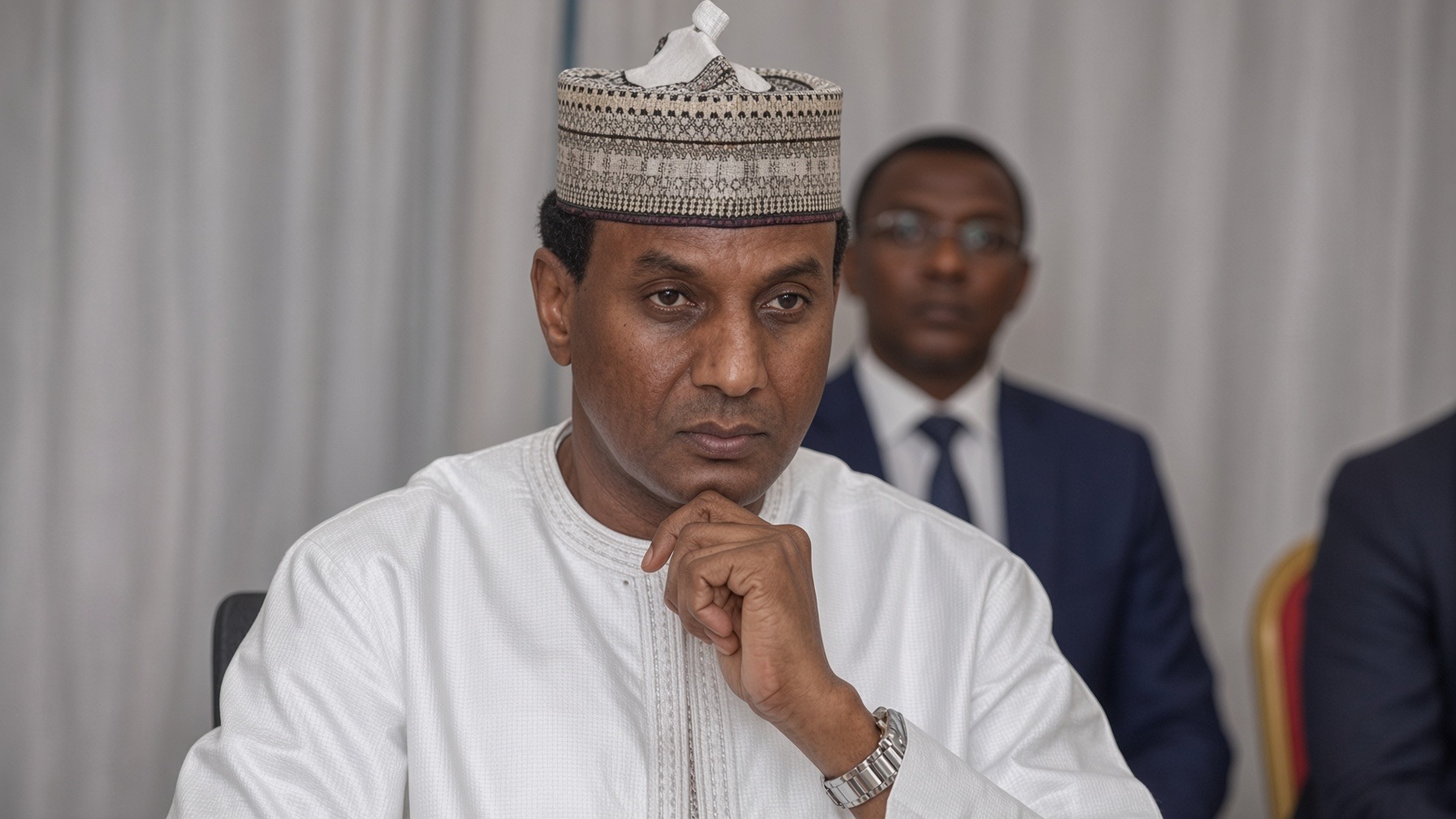
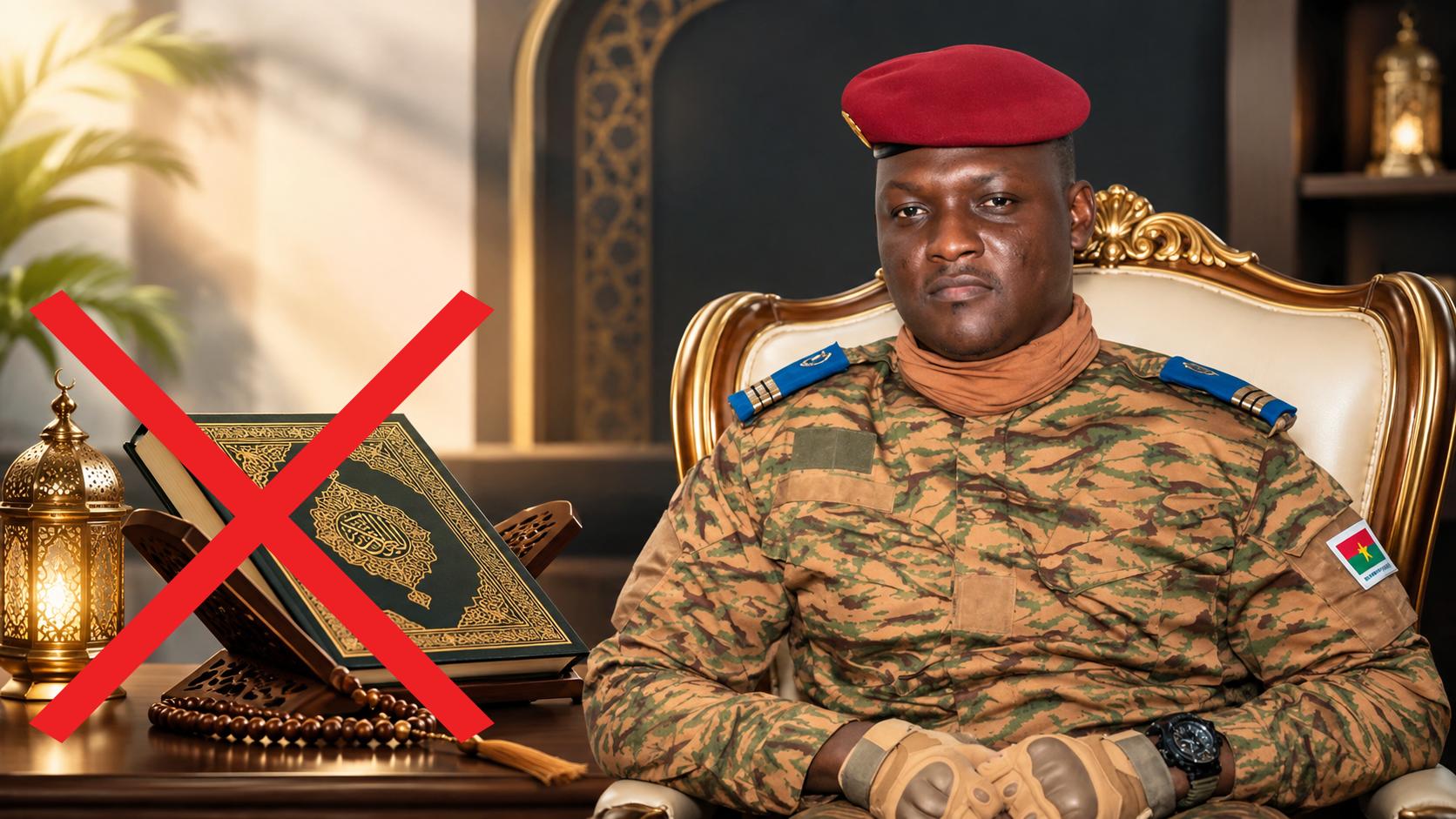
On April 20, 2026, Burundi’s president, General Évariste Ndayishimiye, traveled to Ouagadougou for an official visit described as one of “friendship and collaboration.” As chair of the African Union (AU) at the time, his mission was to reopen dialogue between the continental body and the Alliance of Sahel States (AES), a coalition led by Burkina Faso, Mali, and Niger under the leadership of Captain Ibrahim Traoré.
This diplomatic effort unfolded against a backdrop of escalating tensions, as AES members had withdrawn from AU institutions in protest of perceived interference. During his visit to Burkina Faso—a nation governed by a military junta—Ndayishimiye praised the country’s security reforms, even as its leader openly dismissed democratic norms as irrelevant to the current crisis.
Behind the polished language of stability and cooperation lies a deeper reality: a growing solidarity among authoritarian regimes that share a common disdain for constitutional constraints. This alliance is not merely circumstantial but rooted in shared strategies for survival under international pressure.
Shared paths to authoritarian resilience
The political trajectories of Mali and Burundi reveal striking similarities. Both nations have faced severe international sanctions—Mali and Burkina Faso after their 2020–2021 coups, Niger following its 2023 takeover, and Burundi after its 2016 political crisis. These punitive measures, imposed by regional bodies like ECOWAS and the European Union, were meant to restore democratic order. Instead, they pushed these governments toward each other, strengthening their resolve to resist external influence.
Scholarly research into sanctions and authoritarian resilience highlights how these regimes have turned adversity into opportunity. By comparing Mali and Burundi, we uncover deeper patterns: not superficial resemblances, but structural responses to external pressure that transcend geographic and political divides.
The power of manufactured enemies
Central to the survival of these regimes is the deliberate construction of an enemy—whether internal, regional, or global. This narrative serves a dual purpose: it unites the population against a common foe and deflects criticism of domestic failures. In Mali, this strategy reached its peak in early 2022, when mass protests erupted in Bamako’s Independence Boulevard, condemning ECOWAS sanctions and branding France as the primary antagonist. Demonstrators demanded national sovereignty, free from foreign interference, and rallied behind the military leadership as a shield against external domination.
In Burundi, the enemy is not France, but Belgium. The former colonial power is accused of fueling ethnic divisions and conspiring with Rwanda to destabilize the government. By framing sanctions as a neo-colonial plot, the ruling party diverts attention from its own governance failures, reinforcing a narrative of resistance against historical oppressors.
Regional rivalries and cross-border tensions
Beyond domestic enemies, these regimes also cultivate regional adversaries to justify their actions. In Mali, Algeria has become a convenient scapegoat, accused of sheltering opposition figures and collaborating with terrorist groups. In January 2024, the Malian junta abruptly terminated the Algiers Peace Accord, escalating tensions by closing its airspace to Algerian flights in April 2025.
Burundi, in contrast, directs its hostility toward Rwanda. President Ndayishimiye has repeatedly labeled Kigali a “hostile neighbor,” blaming it for supporting the 2015 coup attempt and rebel factions like RED-Tabara. This hostility has led to border closures and military interventions in eastern Democratic Republic of the Congo, where Burundi has aligned with Congolese forces and local militias against the M23 rebel group—widely believed to be backed by Rwanda.
The result is a deliberate cultivation of siege mentality, a psychological state that bolsters regime legitimacy by presenting external threats as existential dangers.
Security contradictions and political survival
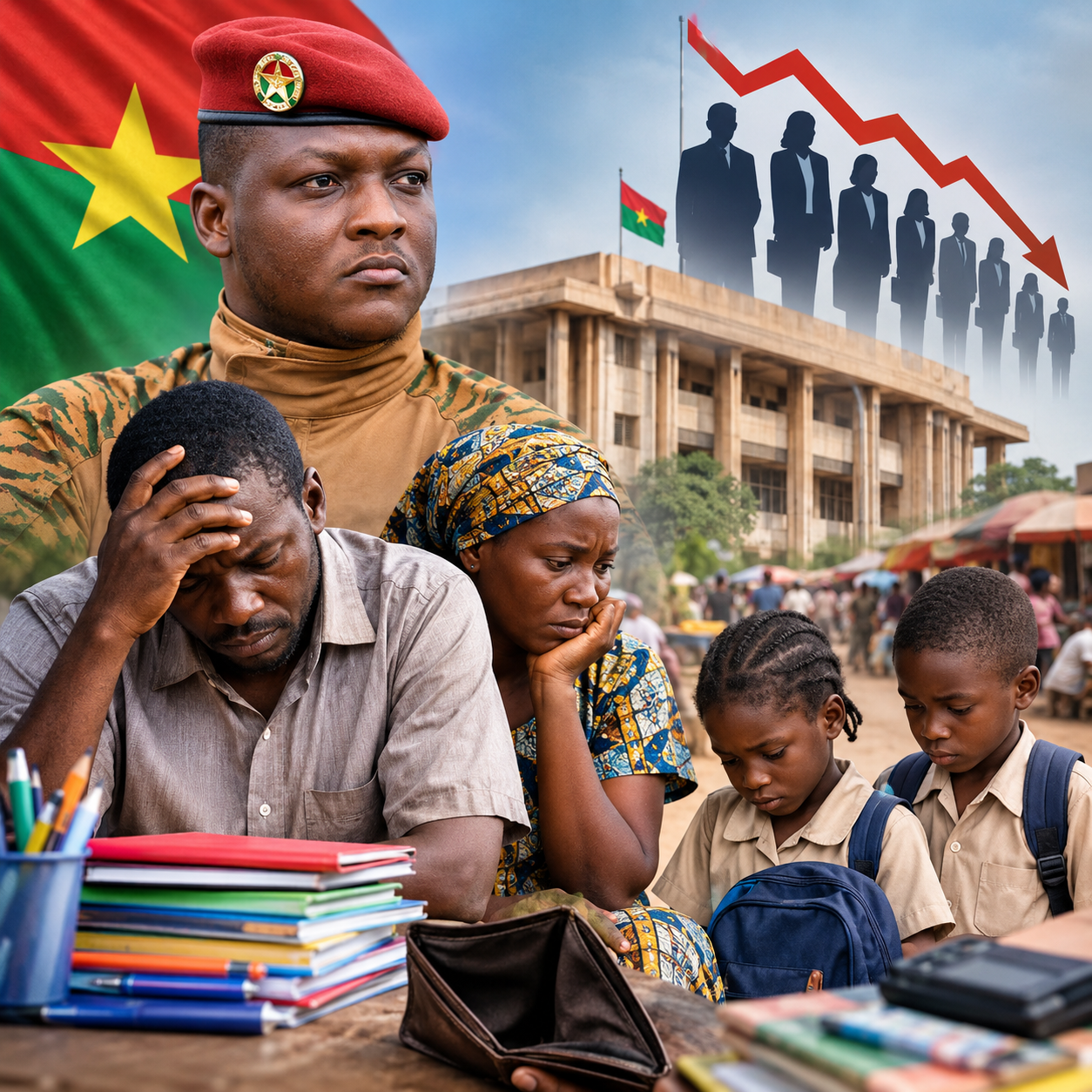
Despite their shared strategies, Mali and Burundi differ in how they frame security threats. In Mali, the immediate danger comes from armed groups like the FLA and JNIM, whose attacks in April 2026 reinforced the junta’s narrative of indispensability. Without credible elections, the regime justifies its prolonged rule by positioning itself as the only force capable of combating terrorism—even as the economy falters under power cuts, currency shortages, and dwindling development aid.
Burundi, by contrast, maintains a façade of electoral legitimacy. The ruling CNDD-FDD has already endorsed President Ndayishimiye for the 2027 election, ensuring his continued leadership. While the vote is tightly controlled, its symbolic value remains crucial. The regime leverages security rhetoric not to replace elections, but to prepare for them—distracting from chronic shortages of fuel and foreign exchange that have plagued the country since 2015.
Ranked among the world’s poorest nations—Burundi held the lowest position in 2023—its leaders rely on external blame-shifting to obscure internal mismanagement. As French political scientist Jean-François Bayart argues, this persistent enemy-building may conceal deeper patterns of predation that sustain authoritarian rule.
The paradox of vulnerability and control
What unites Mali and Burundi is not their unique circumstances, but a shared logic: the transformation of external threats into pillars of political survival. For these regimes, enemies are not liabilities—they are lifelines. They justify repression, silence dissent, and prolong incumbency by presenting crises as existential battles rather than governance failures.
In doing so, they reveal a paradox: the more isolated they become, the more they weaponize isolation. The result is a cycle of confrontation, where the pursuit of security feeds the very instability it claims to fight.