Côte d’Ivoire’s green economy bet: young entrepreneurs lead the charge
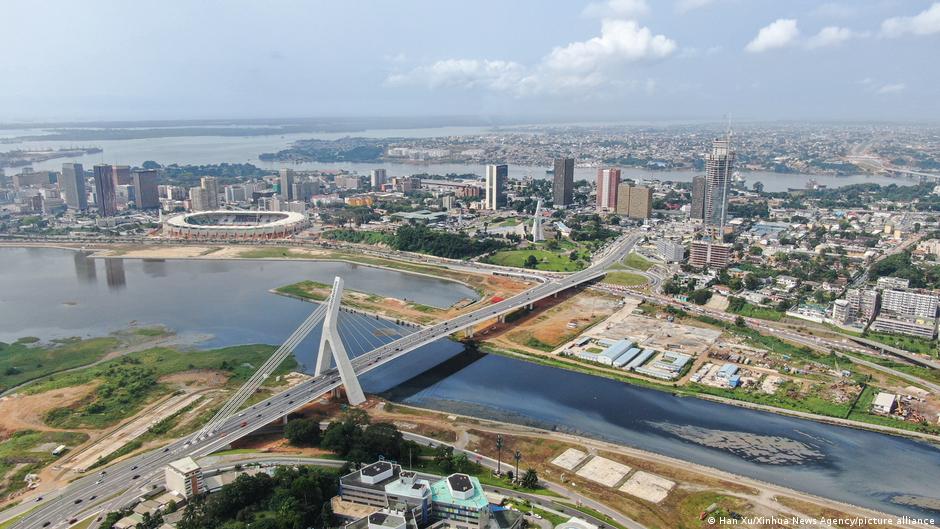
Côte d’Ivoire is witnessing a remarkable surge in eco-conscious entrepreneurship, with a new wave of youth-led initiatives transforming the economic landscape. From urban farming to insect rearing and carbon offset projects, young innovators are redefining sustainable development across the country. This movement is not only creating jobs but also addressing critical environmental challenges in West Africa.
Urban agriculture: growing food and opportunities
One standout trend is the rise of urban agriculture projects that bring fresh produce closer to city populations while reducing carbon footprints. Young agricultural entrepreneurs are converting rooftops and vacant lots into thriving vegetable gardens, cultivating everything from leafy greens to tomatoes. These initiatives often incorporate agroecological practices, minimizing synthetic inputs while maximizing biodiversity. Some projects have even partnered with local restaurants to create farm-to-table supply chains, demonstrating the commercial viability of sustainable urban farming.
Insect farming: protein of the future
The livestock sector in West Africa faces significant sustainability challenges, but Côte d’Ivoire’s youth are pioneering a solution: insect farming. Companies led by young entrepreneurs are now producing high-protein insect-based animal feed and even human food products. These ventures target multiple markets – from poultry farmers seeking sustainable feed alternatives to health-conscious consumers looking for novel protein sources. The environmental benefits are substantial, with insect farming requiring significantly fewer resources than traditional livestock operations.
Carbon projects: turning climate action into profit
A growing number of Côte d’Ivoire-based startups are developing carbon offset projects that monetize environmental conservation. These range from reforestation initiatives in degraded forest areas to renewable energy installations that reduce local communities’ dependence on fossil fuels. The projects generate carbon credits that can be sold on international markets, creating a sustainable revenue stream while combating climate change. Some initiatives specifically target mangrove restoration, recognizing the exceptional carbon sequestration capacity of these coastal ecosystems.
Protecting West Africa’s biodiversity
Beyond economic innovation, Côte d’Ivoire’s green movement includes critical conservation efforts. Protected species in the region – including several endemic West African birds and mammals – are benefiting from new habitat protection programs. Community-led conservation projects are working to reverse biodiversity loss while providing alternative livelihoods for local populations. These efforts align with broader regional initiatives to strengthen environmental protection across the Sahel.
Challenges and opportunities ahead
While the green economy movement shows tremendous promise, participants face hurdles including limited access to financing, regulatory barriers, and the need for greater technical training. However, the growing support from international organizations and impact investors is helping to overcome these obstacles. The Côte d’Ivoire government has also begun implementing policies to support green businesses, including tax incentives for sustainable enterprises and funding programs for youth-led environmental initiatives.
The country’s experience demonstrates how environmental sustainability and economic development can reinforce each other. As these young entrepreneurs continue to innovate, Côte d’Ivoire is positioning itself as a leader in Africa’s green economy transition, offering valuable lessons for other nations in the Sahel region grappling with similar challenges.