
Global hunger crisis: five regions face extreme food insecurity

The United Nations has raised urgent alarms over the escalating food insecurity crisis gripping Gaza, Haiti, Sudan, South Sudan, and Mali, now classified as zones of maximum alert. Without immediate and large-scale humanitarian intervention, millions of people in these regions risk severe hunger, famine, and even death within the coming months, warns the international body.
Recent joint reports from the Food and Agriculture Organization (FAO) and the World Food Programme (WFP) describe the situation as a red alert. Cindy McCain, WFP Executive Director, underscores the urgency: “We know where hunger is rising and who is at risk.” The crises are compounded by shrinking access to affected areas and critical funding shortages, further exacerbating the plight of vulnerable populations.
Sudan and Gaza: most critical situations
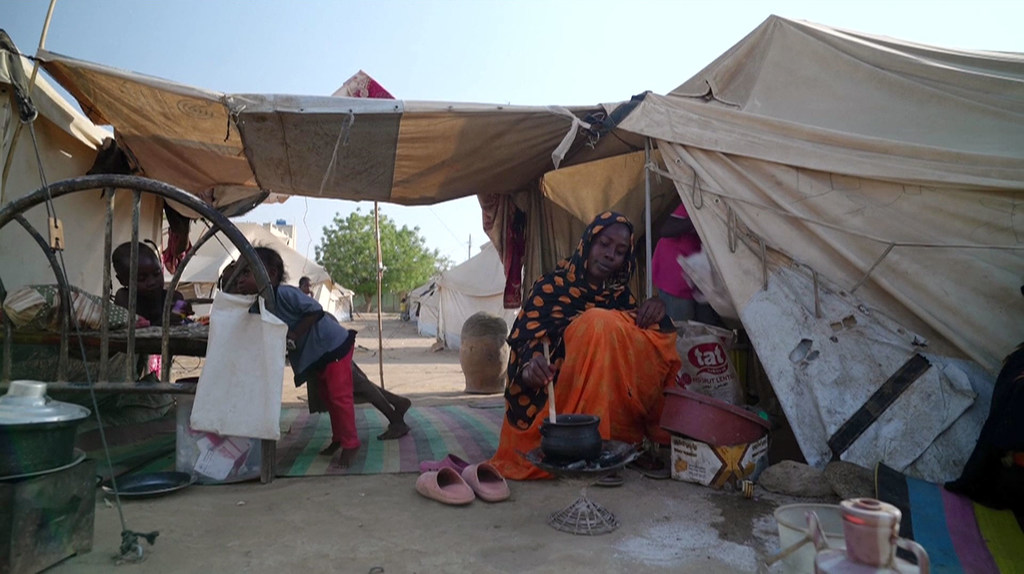
In Sudan, famine has been officially declared since 2024, with the conflict and mass displacement—particularly in the Greater Kordofan and Greater Darfur regions—prolonging the crisis. By May 2025, an estimated 24.6 million people are expected to face crisis-level or worse food insecurity, including 637,000 at catastrophic levels.
Gaza faces an escalating famine risk as large-scale military operations severely disrupt the delivery of essential humanitarian aid—both food and non-food supplies. The entire population of 2.1 million people is projected to experience crisis-level or worse food insecurity, with 470,000 facing catastrophic conditions by September 2025.
Catastrophic levels in Haiti and South Sudan
The situation in South Sudan remains dire, with famine confirmed in two regions and grim prospects for the country’s 7.7 million people—57% of the population—expected to face high levels of acute food insecurity between April and July 2025. Of these, 63,000 are projected to face catastrophic conditions.
In Haiti, escalating gang violence and insecurity are displacing communities and crippling access to aid. By June 2025, over 8,400 internally displaced people in the Port-au-Prince metropolitan area are already experiencing catastrophic levels of acute food insecurity.
Mali’s growing vulnerability
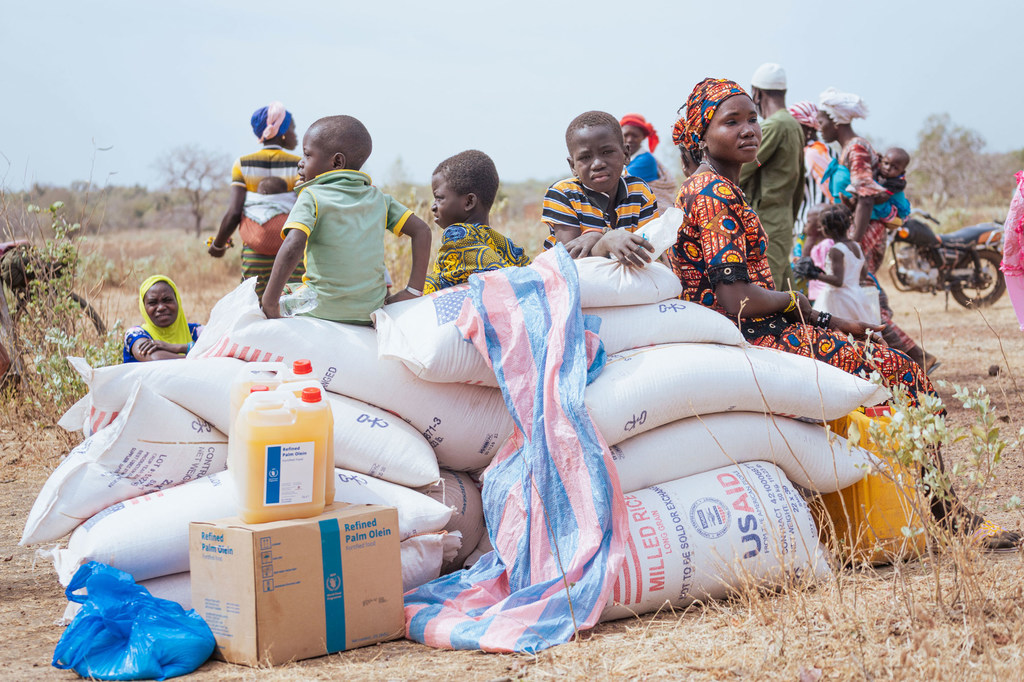
Mali continues to grapple with soaring cereal prices and ongoing conflict, eroding the resilience of vulnerable households—particularly in conflict-affected zones. Without timely assistance, approximately 2,600 people risk slipping into catastrophic food insecurity between June and August 2025.
While Gaza, Haiti, Sudan, South Sudan, and Mali remain the most pressing concerns, other regions such as Yemen, the Democratic Republic of the Congo, Myanmar, Nigeria, Burkina Faso, Chad, Somalia, and Syria are also classified as high-risk zones requiring urgent attention to avert further loss of life and livelihoods.
Regional improvements amid global crisis
Despite the widespread hunger crisis, some regions have seen improvements. Ethiopia, Kenya, Lebanon, Lesotho, Malawi, Mozambique, Namibia, Niger, Zambia, and Zimbabwe have been removed from the high-risk list. In East and Southern Africa and Niger, improved weather conditions for harvests and reduced extreme weather events have eased food security pressures. Lebanon was also removed following a decline in military operations.
However, the global deterioration in food security coincides with severe funding gaps that have forced cuts to food rations, limiting the scope of critical nutrition and agricultural interventions. Cindy McCain emphasizes the stakes: “We have the tools and experience to respond, but without funding and access, we cannot save lives. Urgent and sustained investment in food aid and recovery support is crucial, as the window to prevent another devastating famine is closing rapidly.”