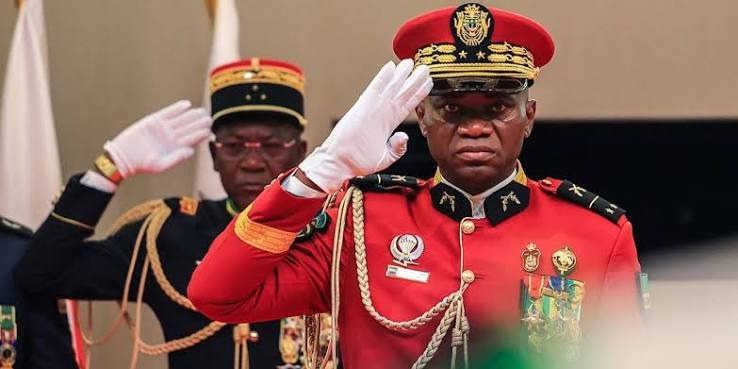
The future of Gabon’s economy may well hinge on its ability to strengthen trade ties within Africa. During a cabinet meeting in Libreville last June, President Brice Clotaire Oligui Nguema made it clear: accelerating intra-African commerce is no longer optional—it’s a strategic necessity. The directive goes beyond rhetoric; it demands measurable progress, a clear timeline, and tangible results from the government.
Gabon’s reliance on oil, manganese, and timber for its foreign earnings has long left it vulnerable to global price swings. Now, the government is shifting focus toward tapping into the continent’s vast economic potential. The African Continental Free Trade Area (AfCFTA), operational since 2021, offers the perfect framework—but only if Gabon’s institutions are ready to seize the opportunity.
From directive to delivery: a call for action
President Oligui Nguema is known for his hands-on leadership style, and this push for intra-African trade is no exception. Ministers overseeing trade, economy, transport, and foreign affairs are under strict orders to deliver on key deliverables. Since taking office in August 2023, the president has repeatedly emphasized performance, leaving little room for delays or half-measures.
The roadmap includes critical steps: streamlining customs procedures, removing non-tariff barriers, modernizing logistics corridors, and boosting exports to Central, West, and Southern African markets. Gabon’s industrial sector, still in its early stages, must also adapt to meet the continent’s growing demand for high-quality, traceable products. The stakes are high, but so are the rewards for those who move quickly.
A strategic pivot toward African economic integration
For Gabon, intra-African trade isn’t just about economics—it’s about sovereignty. A diversified export base could shield the country from the volatility of global commodity markets. Currently, Africa’s internal trade accounts for just 15-16% of its total trade, a stark contrast to the 60%+ seen in Europe and Asia. The AfCFTA was designed to bridge this gap, and Gabon is determined to be a leader in making it work.
This push also serves a broader political purpose. By championing continental integration, President Oligui Nguema is positioning Gabon as a forward-thinking player in Africa. Strengthening ties with regional partners—particularly within the Central African Economic and Monetary Community (CEMAC)—could reinforce the country’s influence and stability in the years ahead.
Challenges on the path to progress
Despite the clear vision, real-world hurdles remain. Poor transport infrastructure linking Gabon to its neighbors, cumbersome administrative procedures, high energy costs, and weak competitiveness in key industries all threaten to slow momentum. Business leaders have long pointed out the difficulty of accessing neighboring markets, even with existing regional trade agreements in place.
Another critical factor is private sector engagement. Chambers of commerce, industry federations, and port operators must be closely involved in shaping the operational roadmap. Without their input, the president’s ambitious goals risk becoming empty promises. As of now, no specific timelines have been disclosed for when the government’s first milestones will be achieved.
The challenge is stark: turning political ambition into measurable economic gains. The next few months will be decisive. Will Gabon’s government deliver? The business community and regional partners are watching closely.