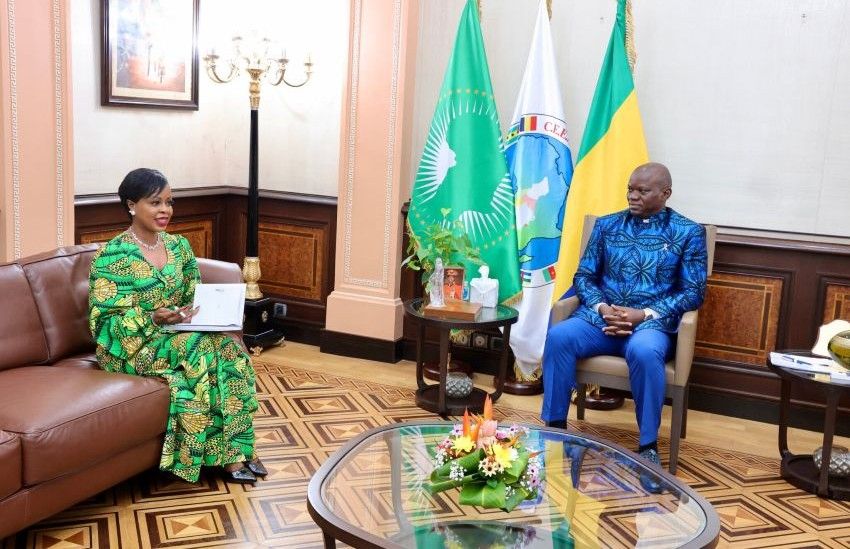
While global democracy navigates one of its most turbulent periods, Gabon is capturing the interest of international analysts. Once viewed through the lens of institutional fragility, the nation has now been identified as a rare instance of positive political evolution over the past twelve months.
A bright spot in a retreating world
The current global landscape is marked by a concerning trend: the erosion of democratic standards across every continent. Even established institutional models are seeing their indicators slip, with the United States facing its own structural pressures. In this darkening environment, Gabon stands out as a significant anomaly.

The V-Dem institute’s latest findings indicate that the number of nations in democratic retreat is rising, with public freedoms and institutional checks and balances under constant threat. However, Gabon is one of only eleven states globally to have successfully moved off the list of declining democracies this year.
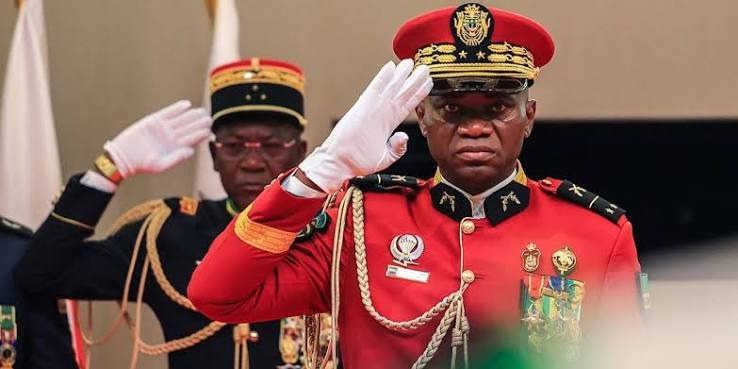
More impressively, Libreville is now cited as one of the four primary sources of democratic hope worldwide. Alongside Mauritius, Lebanon, and South Korea, the country serves as a testament to encouraging change. This shift is largely attributed to the 2025 elections, which served as a pivotal institutional crossroads, setting the stage for a new national dynamic.
Contrasting trends in Sub-Saharan Africa
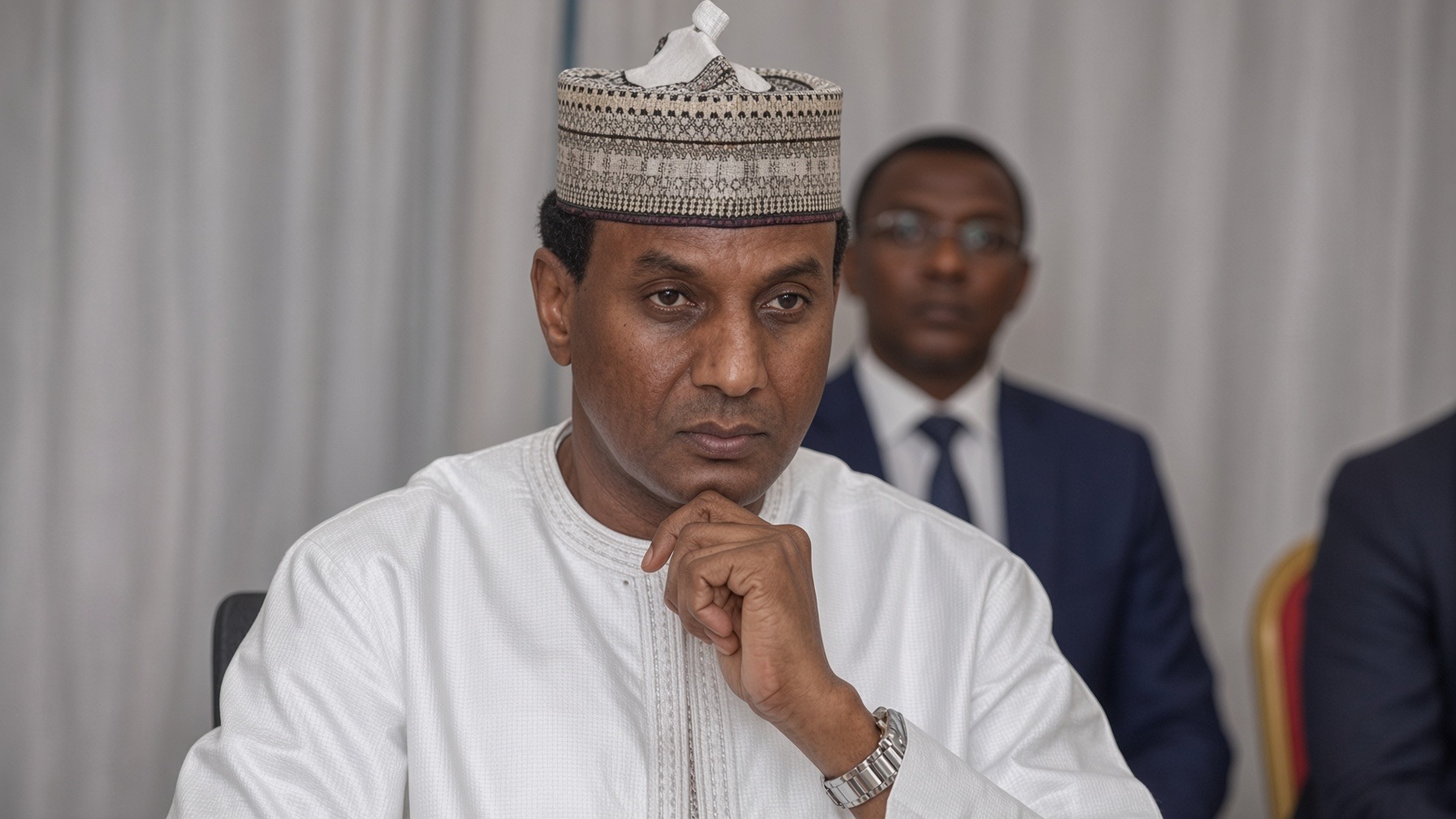
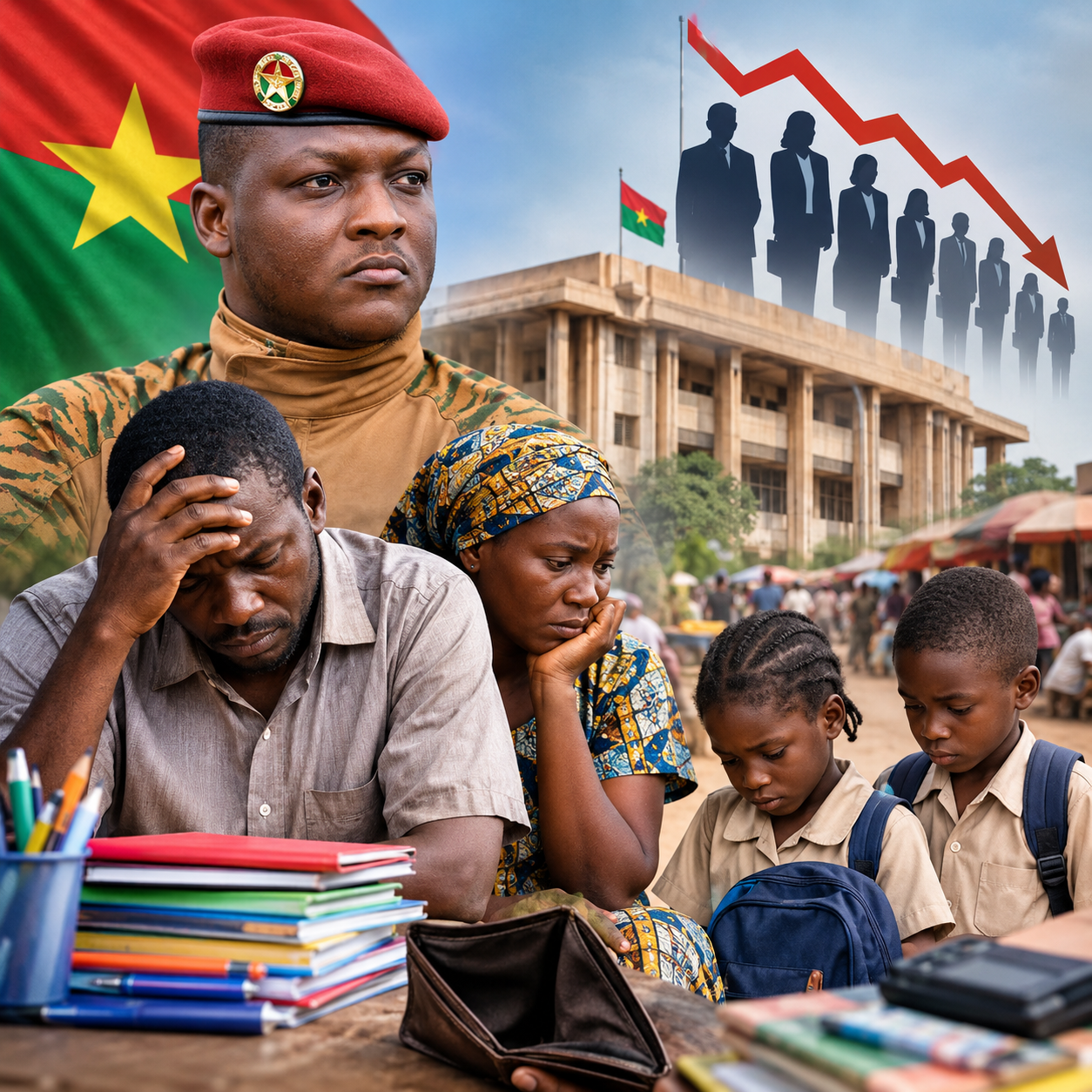
The progress in Gabon is particularly striking when compared to the broader regional context. Sub-Saharan Africa has become the area most affected by institutional regression, with twelve countries showing further decline. The situations in Burkina Faso, Mali, Niger, and Togo underscore this difficult reality.
Amidst the instability and prolonged military transitions that define much of the political Sahel, Gabon has distinguished itself. It is now ranked among the three nations most likely to achieve sustainable democratic growth in the coming years, sharing this outlook with Chad and South Korea. Like Chad, Gabon has navigated a transition back to constitutional order through the ballot box following a period of institutional disruption.
A journey toward consolidation
While the international recognition is significant, it does not imply that the process is complete. Currently ranked 114th out of 179 evaluated states, Gabon remains an evolving democracy. The current improvement is starting from a historically low baseline, meaning the path ahead requires sustained effort.
Historical precedents, such as the experience of Zambia, show that early democratic gains can easily erode if not anchored by deep reforms. For Gabon, the challenge lies in strengthening judicial independence, ensuring media freedom, and fostering transparent governance. This newfound status brings a higher level of scrutiny to every governmental action.
Recent domestic debates, including the temporary suspension of digital platforms and the regulatory adoption of a new nationality code, are being closely watched. Furthermore, the legal situation involving Alain-Claude Bilie By nNze, a former Prime Minister and presidential candidate, remains a point of discussion among observers. The ultimate test for Libreville is to ensure that security and regulatory measures remain compatible with the democratic standards it now aims to represent.
The 2025 elections allowed Gabon to move past a period of uncertainty. Now, the goal is to prove that this institutional upswing is a permanent transformation rather than a temporary phase. In a world where democratic progress is rare, Gabon has a unique opportunity to demonstrate that a different future is possible.