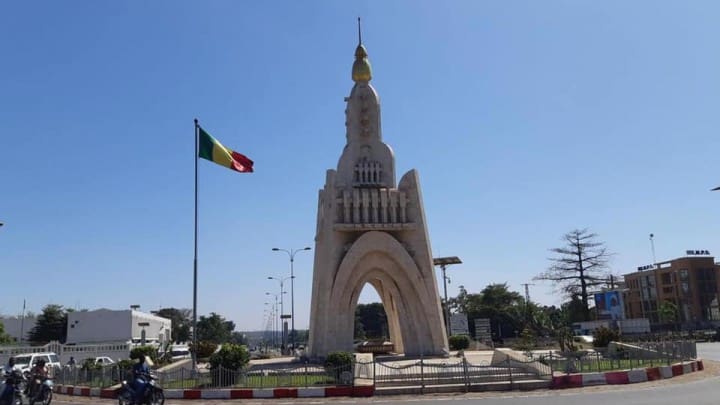
The security landscape in Mali continues to deteriorate, with a surge in attacks targeting transportation networks and mounting pressure on the capital. On May 16, 2026, multiple buses were set ablaze in the outskirts of Bamako, allegedly by suspected jihadist assailants. This incident further intensifies an already volatile climate, compounded by a blockade enforced by the JNIM around the capital since late April.
The ongoing siege has severely disrupted supply routes, deepening economic hardships and isolating communities under Malian government control. Sporadic clashes and targeted strikes are escalating, leaving civilians increasingly vulnerable to the spiraling violence.
Amid this precarious environment, a prominent religious leader has stepped forward with a plea for reconciliation. Ahamada Ould Hamala, a close associate of the respected Chérif de Nioro du Sahel, issued a public appeal for dialogue, addressing all key stakeholders in the Malian crisis—military transition authorities, jihadist factions, and the Azawad Liberation Front independence movement.
“Extend a hand to one another. Resist the fragmentation of our nation,” he urged in Bambara, aiming to resonate with a broad audience. He underscored the civilian toll, noting that “regions across Mali are suffering” and stressing the urgent need for national reconciliation among all factions.
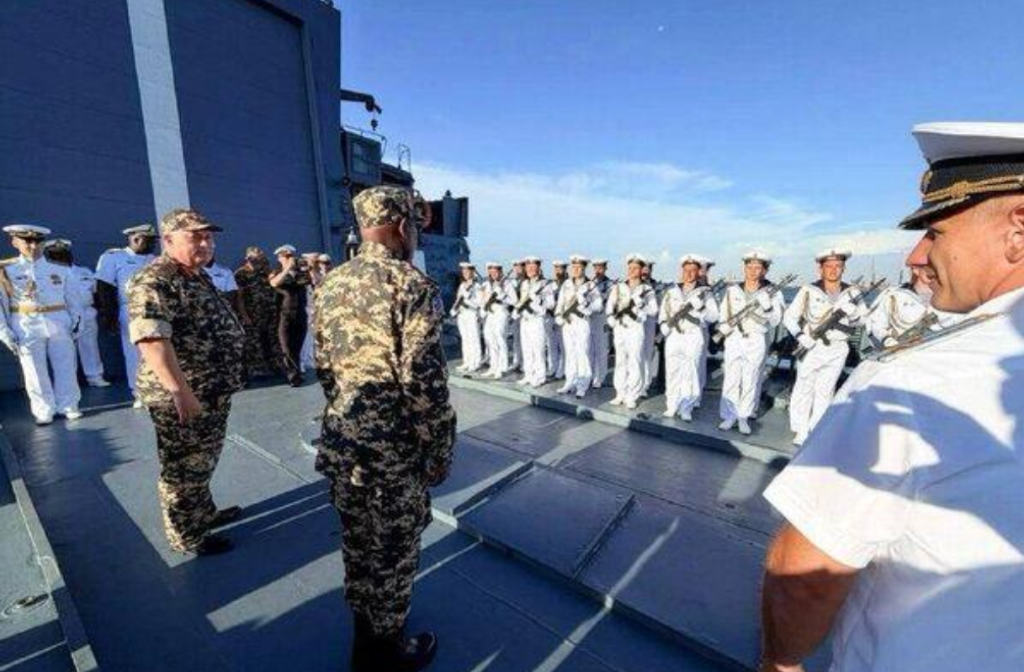
The intervention comes at a time of persistent military tensions and shifting alliances on the ground. With Africa Corps support, Malian authorities are grappling with diffuse insecurity driven by both jihadist groups and separatist movements. The convergence of these threats complicates stabilization efforts, as sporadic attacks, blockades, and mediation bids collide.
As Bamako remains under siege and unrest spreads across regions, this call for dialogue resurfaces the debate on viable pathways to resolve a deeply fractured crisis in Mali.