Ebola outbreak in DRC: death toll surpasses 2,000 as crisis deepens
Ebola outbreak in DRC: death toll surpasses 2,000 as crisis deepens
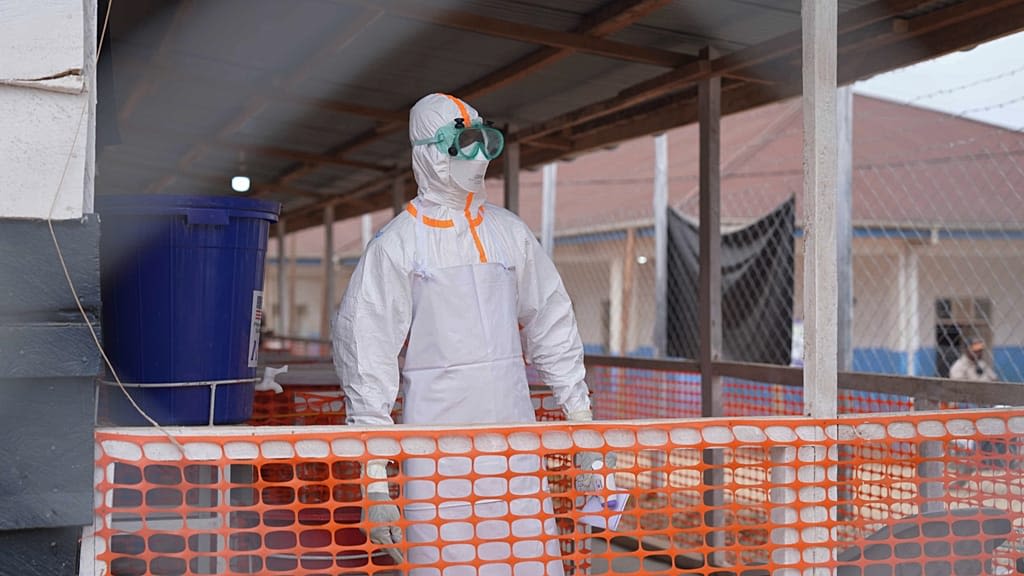
The Democratic Republic of Congo has crossed a grim milestone in its latest battle against Ebola, with the death toll now exceeding 2,011, according to the latest official figures. Health authorities confirmed that the outbreak has infected 4,381 individuals, marking it as one of the most severe public health emergencies in the country’s history.
The rapid escalation of cases and fatalities is alarming. While the first 1,000 deaths were recorded over approximately nine weeks, the second 1,000 deaths occurred in just three weeks, highlighting how the crisis is outpacing containment efforts.
Challenges in delivering aid
The situation is exacerbated by logistical hurdles, including rebel conflicts, deteriorating road networks, and healthcare worker strikes over unpaid wages. These obstacles severely hinder the delivery of critical medical supplies to remote villages, where the virus continues to spread unchecked.
Dr. Jean-Marie Akandabo, who manages patient care at a local clinic in Ituri, described the situation as “alarming” and called for urgent, intensified response measures in the most affected areas.
Unprecedented severity and global concern
This marks the 17th recorded Ebola outbreak in the DRC, already considered the most extensive in the nation’s history. Experts warn the current crisis could surpass all previous outbreaks globally.
The current fatality rate stands at 45.9%, significantly higher than the 39.6% recorded during the devastating West African Ebola outbreak between 2014 and 2016, which remains the deadliest in history with over 11,000 fatalities.
Emergency response and unique viral strain
The outbreak was declared on May 15, though genetic sequencing reveals it likely began months earlier, in February. Health officials have declared a national health emergency in response.
Unlike previous outbreaks, this one is caused by the rare Bundibugyo Ebola virus strain, for which no approved vaccines or treatments currently exist. Clinical trials are underway in Ituri Province, the epicenter of the outbreak, to test experimental vaccines.
Global health leaders are racing against time. Dr. Sania Nishtar, CEO of Gavi, the Vaccine Alliance, warned that the situation “could become the largest outbreak ever recorded”.
Healthcare system strain and surveillance gaps
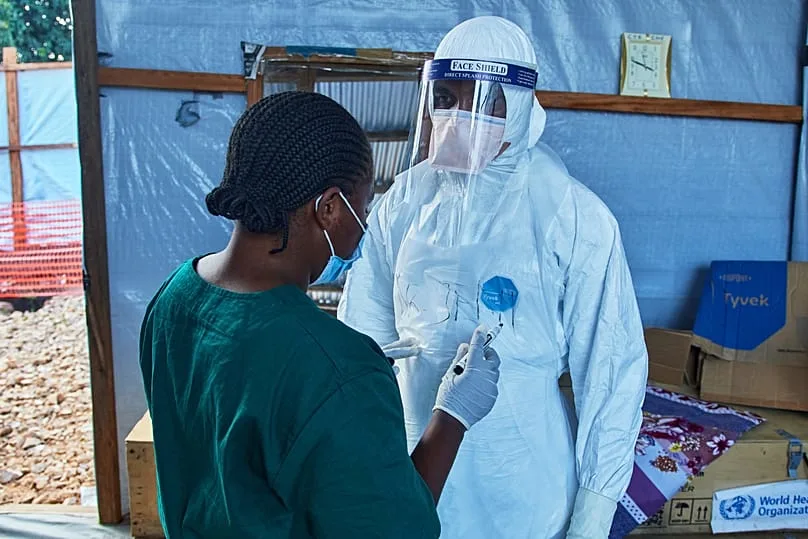
The response is further complicated by ongoing healthcare worker strikes, driven by delayed salary payments since the outbreak began. The World Health Organization (WHO) reports that many new cases are emerging outside monitored contact chains, indicating that transmission remains largely uncontrolled.
“Without an effective vaccine, controlling this outbreak relies on early detection and isolation of cases in secure facilities,” said Professor Paul Hunter, an infectious disease expert at the University of East Anglia in the UK. “In a conflict zone with poor infrastructure, identifying and isolating cases quickly enough to prevent spread is extremely difficult—sometimes impossible.”
Vaccine trials and cross-protection hopes
On Friday, WHO vaccine experts recommended launching large-scale human trials of the only licensed Ebola vaccine, Ervebo, to assess whether it provides cross-protection against the rare Bundibugyo strain currently spreading in the DRC. Ervebo has proven safe and effective against the more common Zaire strain, and preliminary animal data suggest it may offer partial protection against the Bundibugyo variant.
Two experimental vaccines targeting the Bundibugyo strain are in early human trial phases, with a third in preclinical development.
The WHO’s Regional Director for Africa, Dr. Mohamed Yakub Janabi, acknowledged that “we are chasing the virus, which is always one step ahead.”
Ebola spreads through bodily fluids and causes severe hemorrhagic fever. First identified in 1976 near the Ebola River in what is now the DRC, the virus remains one of the deadliest known to humanity.