The Democratic Republic of the Congo (DRC) grapples with a widening fiscal imbalance in 2025, as state expenditures surge ahead of revenue growth despite stronger tax collection efforts. This persistent gap underscores a critical challenge for Kinshasa: balancing essential public services, security commitments, and macroeconomic stability under pressure from international partners.
The push for higher tax collection meets structural hurdles
Tax authorities in the DRC—including the Direction générale des impôts (DGI), Direction générale des douanes et accises (DGDA), and Direction générale des recettes administratives, judiciaires, domaniales et de participations (DGRAD)—have reported measurable gains in revenue mobilization. Improvements stem from expanded tax bases, partial digitalization of financial processes, and stricter enforcement against informal export channels, particularly in the mining hubs of Katanga and Kivu. However, these advances are tempered by external vulnerabilities, including fluctuating global prices for copper and cobalt—key exports for the DRC—and growing competition from alternative battery materials.
Security and payroll drive unsustainable spending
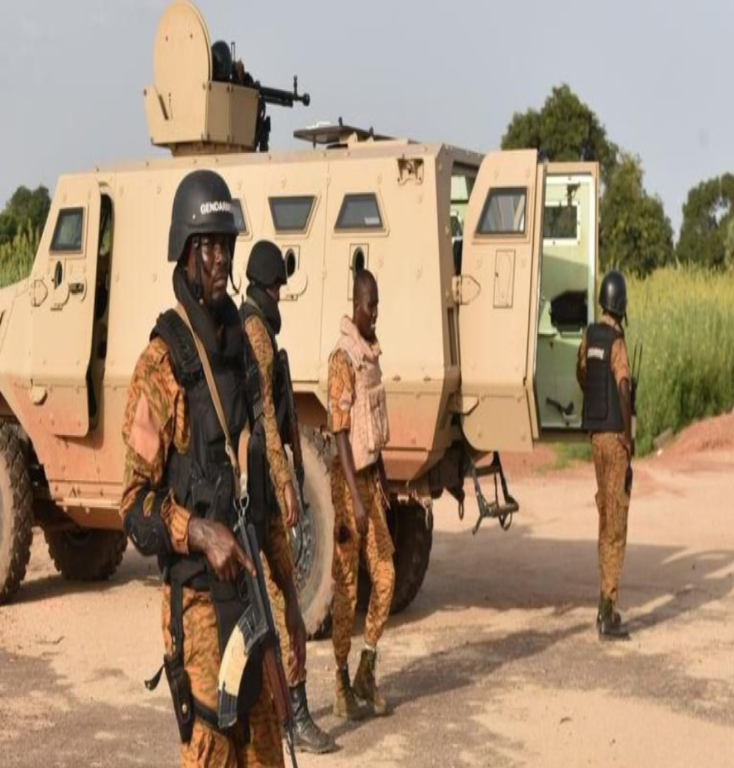
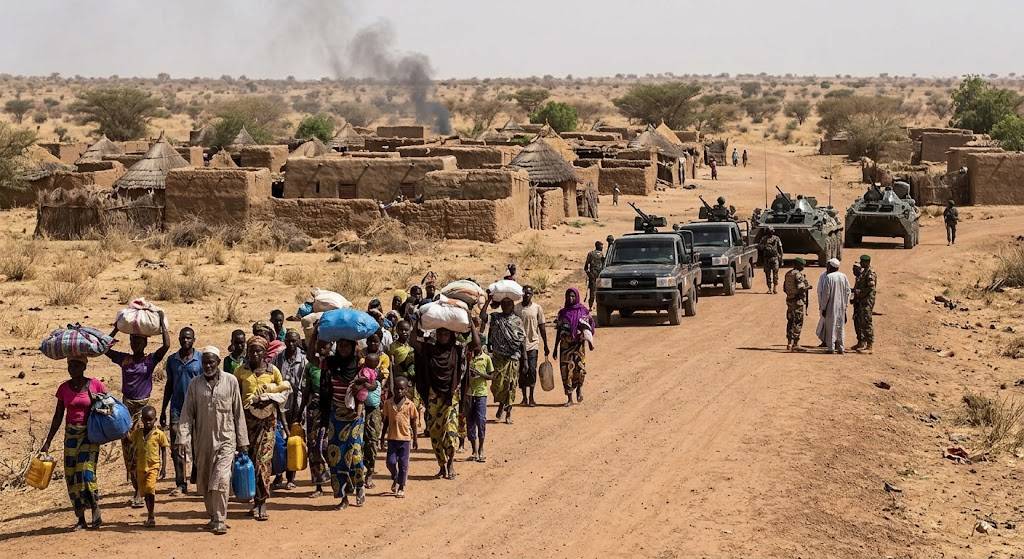
Public expenditure has spiraled upward, driven primarily by two factors: the intensifying security crisis in eastern DRC, where the Forces armées de la RDC (FARDC) confront armed groups and the M23 insurgency in North Kivu, and the rising public-sector wage bill. Repeated extensions of the state of emergency since 2021 have inflated defense budgets beyond initial projections, while salary increases for teachers, judges, and civil servants—alongside new hires in defense and healthcare—have pushed personnel costs to unsustainable levels.
Additional pressures include emergency spending on recurring floods, mass internal displacements in eastern provinces, and subsidies to stabilize fuel prices. Despite legal protections for public investment programs, these expenditures are frequently sidelined in favor of rigid current expenses, further squeezing fiscal space.
Fiscal imbalance risks undermining economic stability
The widening gap between revenue and spending has forced the government to rely more heavily on monetary financing and domestic debt issuance. This approach, already flagged by the International Monetary Fund (IMF) during reviews of the Extended Credit Facility program, has pushed domestic interest rates higher and weakened the Congolese franc. In response, the Banque centrale du Congo (BCC) has tightened monetary policy to defend the currency.
Another consequence is the accumulation of unpaid state obligations, which strains cash flow for private contractors and small-to-medium enterprises (SMEs). Many firms in construction and services report delayed payments, threatening their viability and eroding confidence in public procurement systems.
In the coming months, the DRC government faces a stark choice: curb tax exemptions, accelerate digital billing adoption, and rein in wage growth without provoking social unrest. The credibility of its macroeconomic framework—negotiated with partners like the IMF and World Bank—will hinge on decisive action in the second half of the year. The gap between revenue collection and expenditure disbursement continues to widen, making the fiscal equation increasingly precarious.