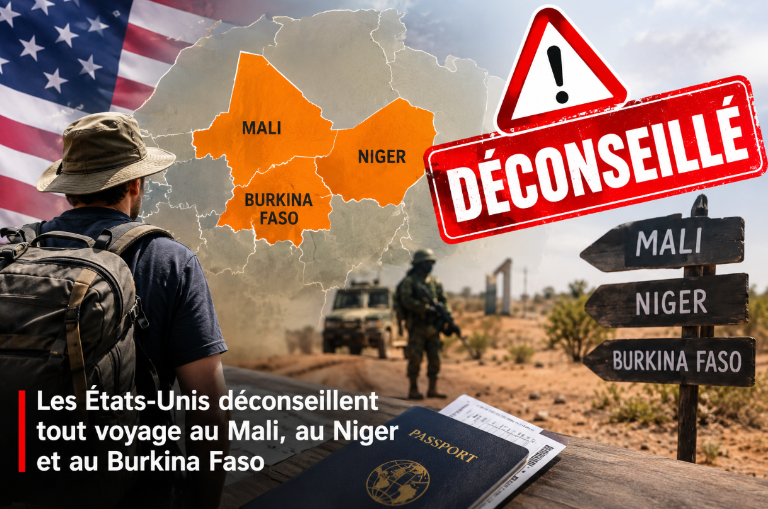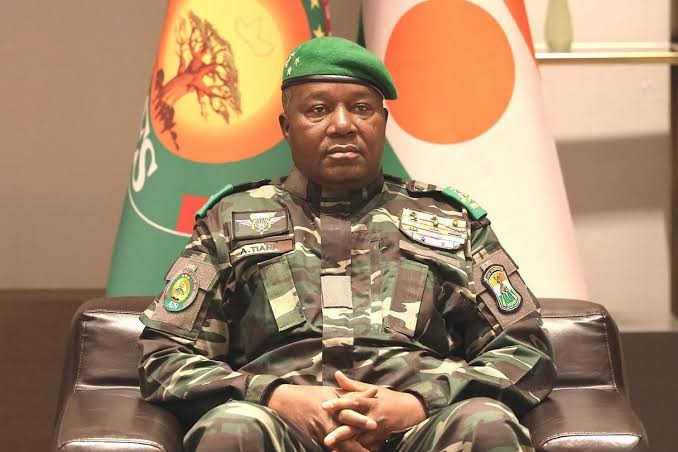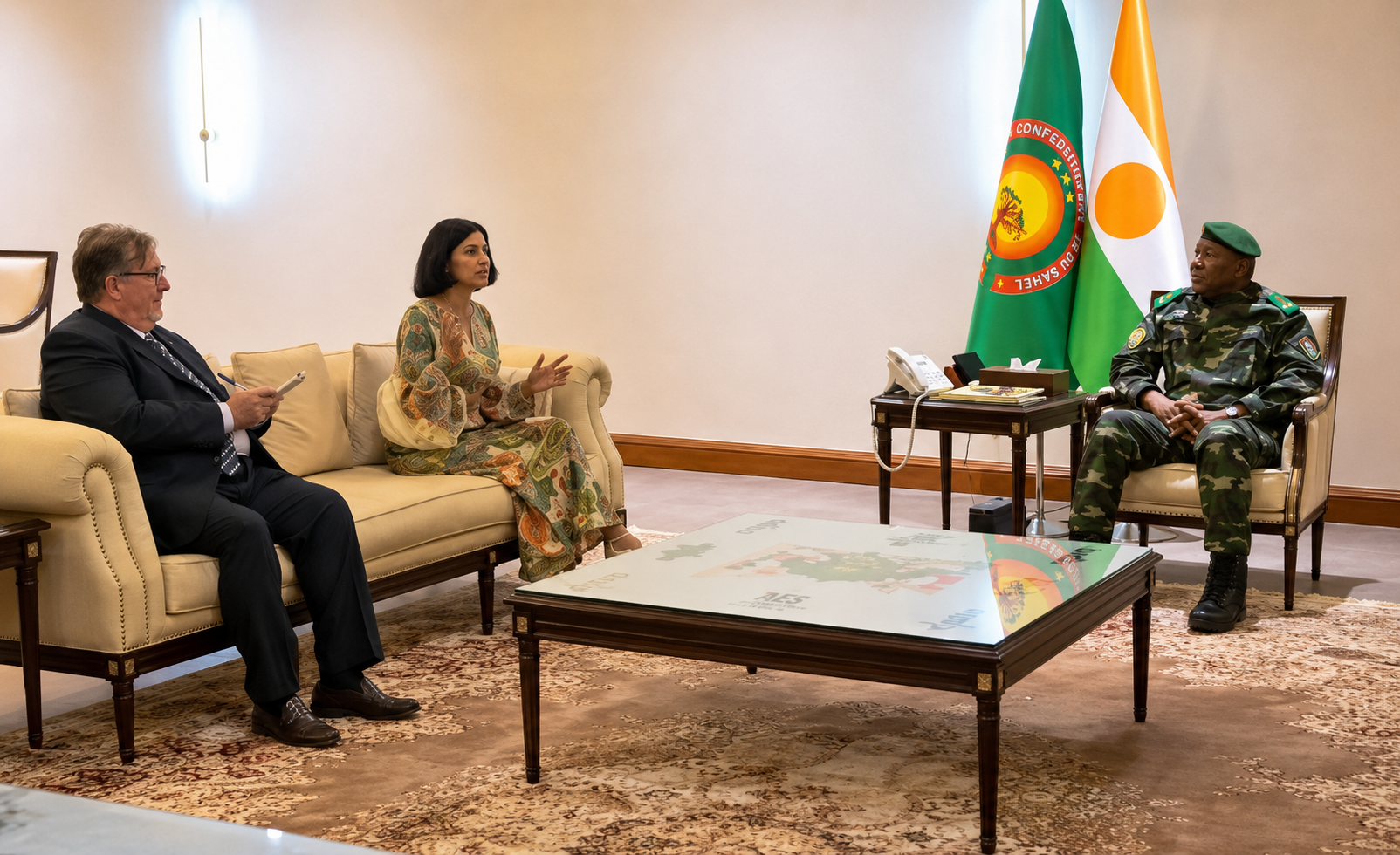
The presidential palace in Niamey presented its customary ceremonial grandeur as General Abdourahmane Tiani welcomed Spain’s Ambassador to Niger, Gloria Minguez Ropiñon. While the official statement from the junta emphasized a robust and forward-looking partnership, the carefully staged diplomatic encounter did little to conceal a calculated political diversion. The Niamey regime, already under scrutiny, faces mounting allegations regarding the mismanagement and suspected trafficking of official passports.
Preserving appearances amid internal turmoil
Upon concluding the meeting, the Spanish envoy reiterated themes of continuity and sustainability in bilateral relations, dismissing any notion of replacing Niger’s long-standing partners. Key areas of future cooperation—food security, women’s empowerment, education, and the promotion of Spanish language—were highlighted as pillars of an intensified partnership slated for 2026 and 2027.
Yet, for seasoned observers of Sahelian politics, this surge in diplomatic engagement is not merely coincidental. The National Council for the Safeguard of the Homeland (CNSP) is leveraging international support on consensual issues to refurbish its tarnished reputation. By spotlighting initiatives like youth employability, the military leadership seeks to secure a veneer of legitimacy at minimal cost while diverting attention from domestic controversies.
Passport scandal: a justification through optics
The timing of this diplomatic maneuver is deliberate. The Niamey authorities are grappling with serious accusations of opaque allocation and potential trafficking of official travel documents, particularly diplomatic and service passports. By orchestrating a high-profile audience involving the Minister of Foreign Affairs, Bakary Yaou Sangaré, and strategic advisors, the regime aims to project an image of competence, sovereignty, and administrative rigor.
A stark contradiction emerges: while official rhetoric champions the international mobility of Nigerien youth through Spanish language initiatives, the mechanisms governing the issuance of such critical documents remain shrouded in secrecy. This opacity fuels suspicions of favoritism, influence peddling, and illicit transactions.
Image over substance: a public relations exercise
The audience, attended by senior officials including Dr. Soumana Boubacar (Cabinet Director and Spokesperson) and Ambassador Illo Adani, was a textbook example of a public relations exercise tailored for domestic consumption. Challenging the narrative of this official engagement exposes what the CNSP seeks to obscure: a desperate bid for justification through perception. By showcasing engagement with major European nations, the regime hopes to dilute criticism of its domestic governance while normalizing contentious administrative practices.
The young people of Niger, though central to discourses on education and future prospects, find themselves disproportionately affected by this identity and travel document crisis. Without these essential papers, the promised international integration touted in Spanish cooperation frameworks remains inaccessible.
The presidential communiqué exemplifies a textbook case of crisis communication through deflection. Faced with allegations of administrative malfeasance and passport-related trafficking, General Tiani has opted for the path of diplomatic respectability. Whether this performative diplomacy will suffice to reassure both international partners and Nigerien citizens regarding the transparency of the state’s highest echelons remains an open question.