Chad’s decentralization: Albert Pahimi Padacké calls for breaking central control
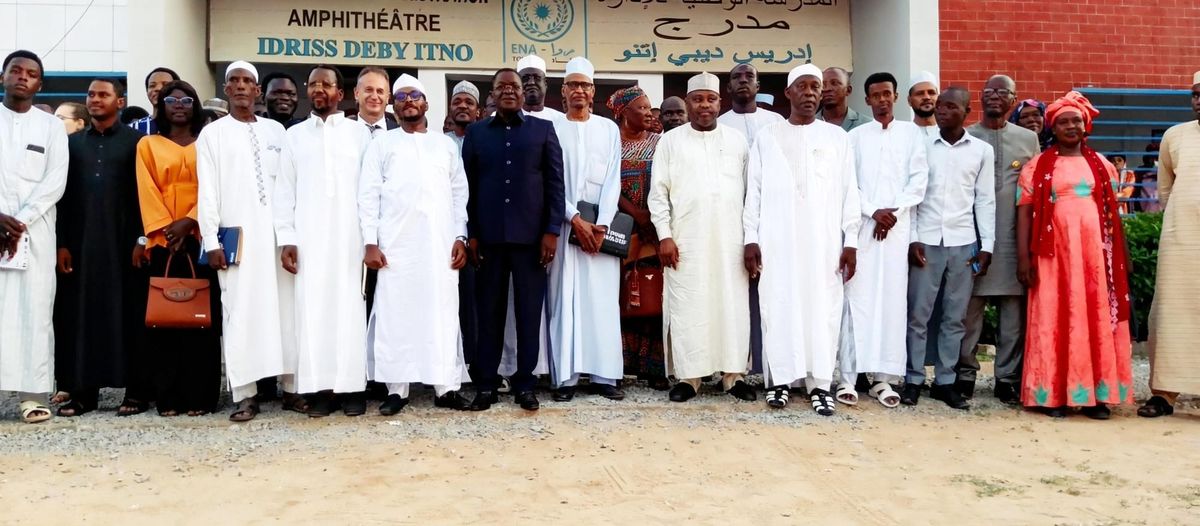
In a packed conference hall at the Idriss Déby Itno National Administration School (ENA) in N’Djamena, former Prime Minister and current Senator Albert Pahimi Padacké delivered a sharp critique of Chad’s centralized governance model during a high-profile debate on provincial councils.
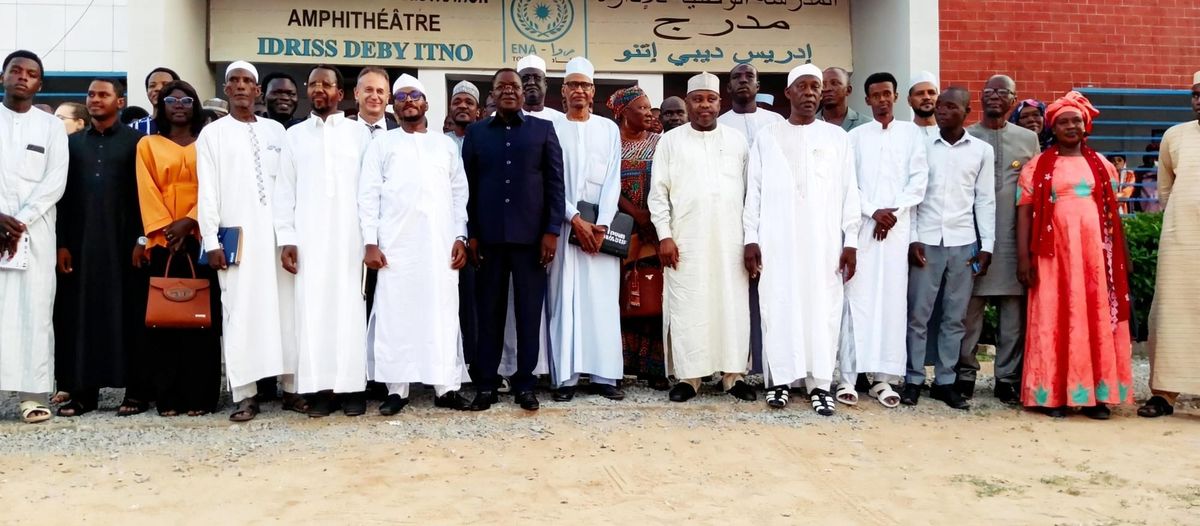
The event, themed « Decentralization in the development dynamic: the case of provincial councils, » drew administrators, students, and political leaders eager to examine Chad’s path toward institutional reform. Over two hours, Padacké, president of the RNDT-Le Réveil party, dissected the gap between Chad’s stated commitment to decentralization and the entrenched reality of centralized control.
Why decentralization matters for Chad
The former prime minister framed decentralization not just as a policy option but as a necessity for equitable development. By empowering provincial councils, he argued, Chad could unlock grassroots initiatives, respond faster to local needs in education, health, and infrastructure, and reduce the chronic mismanagement of national resources. « True progress begins where decisions are made, not where they are dictated from afar, » he emphasized.
The invisible barrier: financial and political centralization
Yet, despite legal frameworks endorsing decentralization, Padacké highlighted a persistent paradox: the state’s central apparatus resists relinquishing both authority and funding. Provincial councils, though established, remain financially dependent and operationally constrained by ministries in N’Djamena. « Without real fiscal autonomy, decentralization is nothing but a mirage, » he declared. The senator criticized what he termed « vertical centrality » — a top-down governance culture that stifles local innovation and perpetuates inequality across regions.
A call for bold reforms
The debate evolved into a clarion call for systemic change. Padacké urged policymakers to trust local leaders, transfer meaningful resources, and redefine provincial councils as engines of autonomous economic growth rather than mere administrative extensions of the capital. The dialogue that followed, especially with ENA trainees, underscored that governance reform is not just a technical issue — it is the defining challenge for Chad’s future institutional architecture.