Can the prosecutor act on economic lies in Senegal
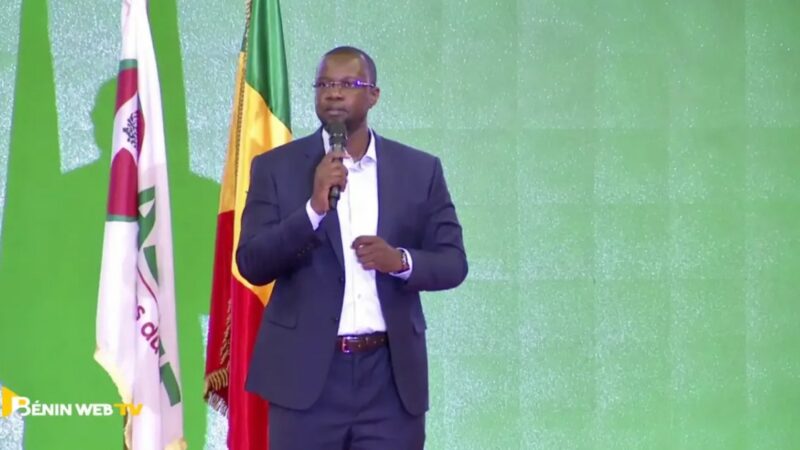
The financial credibility of a nation hinges on the integrity of its leaders. In Senegal, the revelation that the so-called “hidden debt” was a fabrication has sparked serious questions about accountability and the consequences of false economic claims. This controversy, first aired during a September 2024 press conference by then-Prime Minister Ousmane Sonko, has since unraveled, leaving behind a trail of damaged trust and institutional questions.
When public statements cross into legal territory
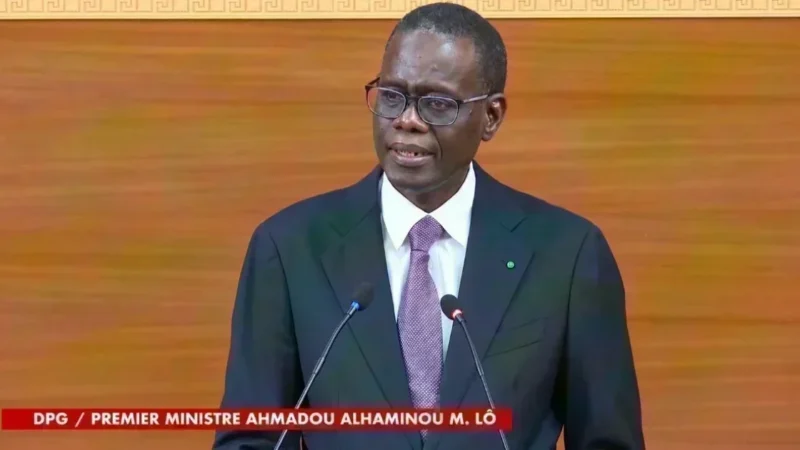
The case of the alleged hidden debt raises a critical issue: does a prosecutor have the authority to investigate false economic claims made by a government official? The answer lies not only in the content of the statements but in their context, the authority of the speaker, and the real-world impact on the country’s financial reputation. When Ousmane Sonko, in his role as Prime Minister, presented the debt narrative, his words carried the weight of the State. The Constitution, under Article 57, grants the Prime Minister executive authority, meaning his declarations were not merely political rhetoric—they were official statements of the government.
This distinction is crucial. The timing of the press conference, the presence of key ministers, and the repeated emphasis on the issue in institutional settings transformed a political claim into a matter of public trust. The public and international partners rely on the accuracy of such statements to make decisions about investments, loans, and partnerships. When these statements are false, the repercussions extend beyond politics into the realm of governance and legal responsibility.
A matter of institutional responsibility
The controversy over the debt was amplified by the silence of oversight institutions. The Court of Auditors, tasked with verifying financial statements, later clarified that the term “hidden debt” was never mentioned in its reports. This revelation underscores a fundamental point: while political debates are free, statements about the economy that affect public confidence must be grounded in verifiable facts. The failure to challenge false claims in real time allowed the narrative to fester, eroding trust in Senegal’s financial institutions.
This episode raises broader questions about the role of oversight bodies. A robust democracy requires institutions that can swiftly correct misinformation and hold public figures accountable for their words. The Court of Auditors, as the guardian of fiscal transparency, bears a particular responsibility. Its delayed intervention in this case highlights the need for agility and clarity in addressing misinformation that impacts national credibility.
Prosecutorial discretion and the limits of power
The question of whether the prosecutor should act on this matter is not just legal—it is institutional. The prosecutor’s role is to ensure that public statements, especially those with economic implications, do not undermine the stability of the State. While political criticism is inherent in any democracy, false claims that distort economic reality cross a line. They can trigger panic in markets, deter investors, and lead to higher borrowing costs for the nation.
In this context, the prosecutor’s intervention could be justified not as a partisan act, but as a safeguard for the public interest. The principle is clear: when a government official’s statements are knowingly false and cause measurable harm to the country’s financial standing, legal scrutiny becomes a necessity. This is particularly true in matters as sensitive as national debt, where trust is the foundation of economic stability.
Lessons for governance and accountability
This incident serves as a cautionary tale for Senegal’s leadership. Public figures must recognize that their words carry consequences far beyond political posturing. Statements about the economy must be precise, verifiable, and proportionate to avoid inflicting real harm on the nation. Similarly, institutions like the Court of Auditors must act decisively to correct misinformation before it takes root in public discourse.
The path forward requires a two-pronged approach: strengthening the credibility of oversight institutions and ensuring that public officials are held accountable for false or misleading economic claims. Only then can Senegal restore confidence in its financial governance and protect its economic future.