CAN 2025 controversy: breaking down the CAF ruling and TAS appeal process
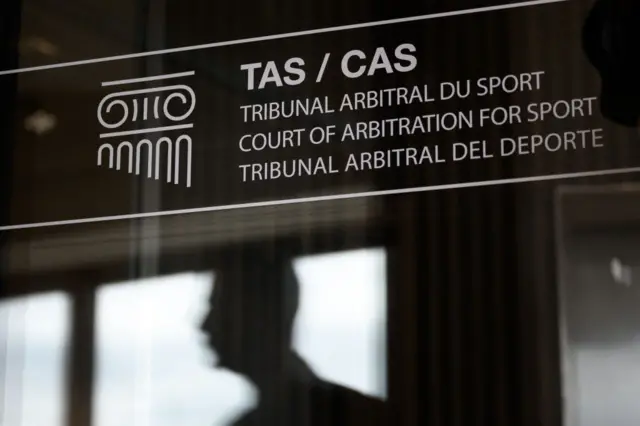
Photo credit, FABRICE COFFRINI/AFP via Getty Images
The Confederation of African Football (CAF) has sent shockwaves through West African football by revoking Senegal’s victory in the 2025 Africa Cup of Nations final—just two months after the Lions of Teranga triumphed 1-0 over Morocco in Rabat. The decision, handed down by the CAF Appeals Jury, declared Senegal in default and awarded the title to the Atlas Lions.
A seismic decision that shook African football
The ruling has dominated sports headlines across Africa, with newspapers, TV studios, and social media platforms abuzz with reactions. Fans and pundits alike have expressed outrage over the timing of the decision—two months after the final, after trophies were handed out, and celebrations concluded.
On Canal+, former international Samir Nasri jokingly questioned the delay: “Why now, two months later? Couldn’t they have waited until 2035?” The remark underscored the widespread disbelief at the timing of the CAF’s announcement.
What does the CAF statement say?
The official communiqué from the CAF Appeals Jury states:
- The Senegalese Football Federation (FSF) was found in breach of Article 82 of the CAF Nations Cup Regulations.
- Senegal was declared in default of the final match against Morocco, with the result adjusted to a 3-0 victory for Morocco.
- The decision overturns an earlier ruling by the CAF Disciplinary Commission.
Understanding Articles 82 and 84
Article 82 outlines that any team withdrawing from a match, failing to appear, refusing to play, or leaving the field prematurely without referee approval shall be considered to have lost by default and be disqualified from the competition. Similarly, teams previously disqualified by CAF are treated the same way.
Article 84 further clarifies that any team violating Articles 82 or 83 will be excluded from the tournament, lose the match 3-0, and face additional measures determined by the Organising Committee. Notably, if the opposing team was already leading by a higher score when play stopped, that score stands.
Article 83 addresses technical forfeiture: a team not ready to play within 15 minutes of the scheduled kick-off is declared in default, with the referee required to record the absence and submit a report to be reviewed by the Organising Committee.
How does the CAF disciplinary process work?
The CAF Disciplinary Commission serves as the first-instance body responsible for reviewing match incidents, reports from referees and match commissioners, video footage, and formal complaints. It investigates violations of the CAF Code of Ethics, including misconduct, unsporting behavior, and pitch invasions. Based on findings, it can impose penalties such as suspensions, fines, or match forfeits.
Proceedings are typically initiated within days of an incident to ensure swift justice and maintain the integrity of competitions. The Commission operates under a contradictory procedure: it reviews evidence, hears both sides, and deliberates before issuing a ruling.
What is the role of the CAF Appeals Jury?
The CAF Appeals Jury acts as the second-instance body, reviewing appeals against decisions made by the Disciplinary Commission. Composed of nine members from various African nations, the Appeals Jury is led by Nigerian Roli Daibo Harriman and Cape Verdean Faustino Varela Monteiro, with representatives from Tunisia, Togo, Malawi, Namibia, Mauritania, Djibouti, and the Democratic Republic of Congo.
The Appeals Jury convenes as needed, based on the urgency of cases, and typically delivers decisions within six days of receiving an appeal. These rulings are final and binding under CAF regulations.
Why did Morocco appeal the CAF ruling?
On February 3, the Royal Moroccan Football Federation (FRMF) announced its intention to challenge the sanctions imposed by the CAF Disciplinary Commission following incidents during the January 18 final between Morocco and Senegal. The FRMF argued that the penalties were insufficient given the severity of the events, including the withdrawal of Senegalese players and staff, pitch invasions by supporters, and post-match violence.
Why is Senegal appealing to the Court of Arbitration for Sport?
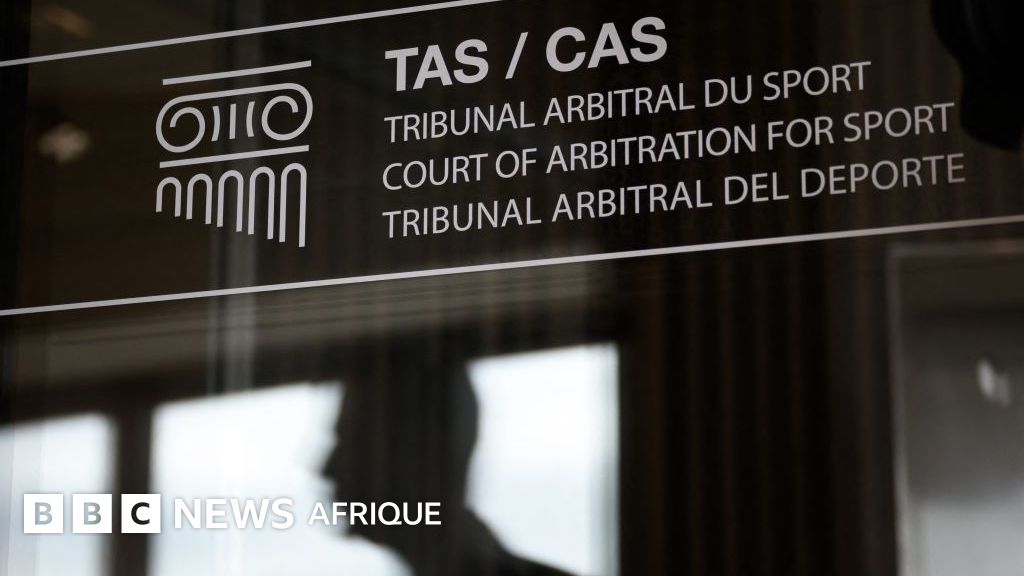
The Senegalese Football Federation has chosen to escalate the matter to the Court of Arbitration for Sport (CAS), based in Lausanne, Switzerland—the supreme authority for resolving international sports disputes. The CAS oversees appeals from federations, confederations like CAF and UEFA, and organizations such as FIFA and the IOC.
The CAS was established in 1984 and operates under rules of arbitration and mediation designed to deliver impartial justice. Its panel consists of around 340 arbitrators from 84 countries, selected for their expertise in sports law. All CAS arbitrators must remain neutral and disclose any potential conflicts of interest.
The Federation has 10 days to submit its appeal to the CAS, which will then define the procedure. While some urgent cases are resolved within 24 to 48 hours, complex disputes can take weeks or even months. Critically, CAS decisions are final and not subject to appeal, provided both parties have waived their right to recourse under Swiss law.
The weight of CAS decisions
CAS rulings are binding and enforceable across the global sports community. The Court’s decisions terminate internal proceedings within sports organizations and are recognized by courts worldwide. The CAS’s reputation as an independent and impartial body ensures that its verdicts carry significant legal and moral authority in the sports world.
The outcome of Senegal’s appeal to the CAS will not only determine the fate of the 2025 CAN title but also set a precedent for how disciplinary matters are handled in African football and beyond.