Cameroon: president paul biya’s prolonged absence sparks national concern
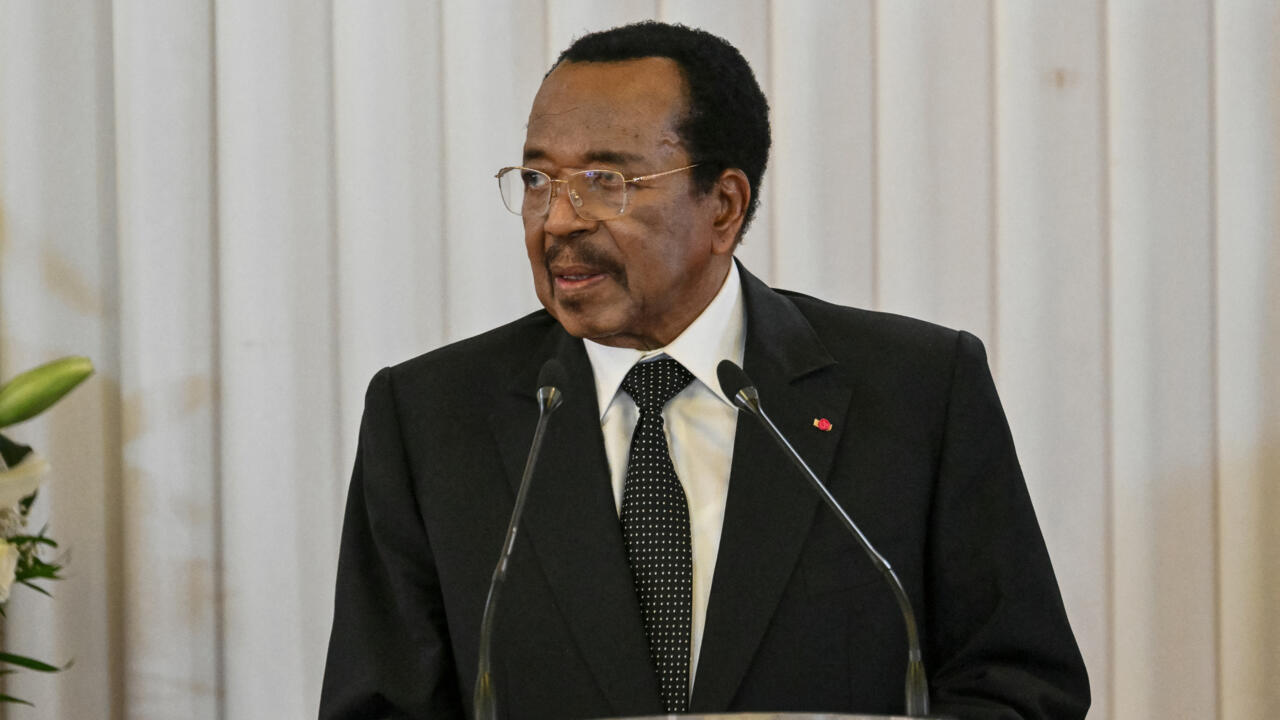
More than 50 days have passed since President Paul Biya of Cameroon was last observed publicly, marking a prolonged disappearance that commenced on June 7. At that time, the official state newspaper, Cameroon Tribune, merely announced his departure for what it termed a “short private stay in Europe.” However, the complete absence of any official update regarding his current whereabouts or an anticipated return date has ignited widespread speculation and growing anxiety across the nation.
Given the Cameroonian president’s advanced age of 93, this extended period of silence from the government has intensified fears regarding the stability and continuity of state affairs. Opposition political parties have been vocal in their criticism, describing the situation as a “power vacuum,” suggesting the government is operating on “autopilot,” or even in “telework” mode. These concerns underscore critical questions about the nation’s governance: What constitutional provisions address such a prolonged absence of the head of state? And could this situation lead to significant impediments in managing Cameroon’s crucial national matters?
Political analysts, including Stéphane Akoa from the Paul Ango Ela Foundation, have been keenly scrutinizing the implications of this unprecedented situation. The persistent lack of clarity surrounding the president’s status and the operational methods of his government raises significant concerns about Cameroon’s capacity to address pressing national issues and maintain a stable political environment.