Burkina Faso is rolling out an ambitious urban greening initiative to transform its cityscapes. The nationwide landscaping program includes creating 80 green spaces, designing 60 roundabouts with vegetation, and developing 65 kilometers of tree-lined roads. These efforts are reshaping the urban environment across Burkinabè cities.
The impact of greener cities on daily life
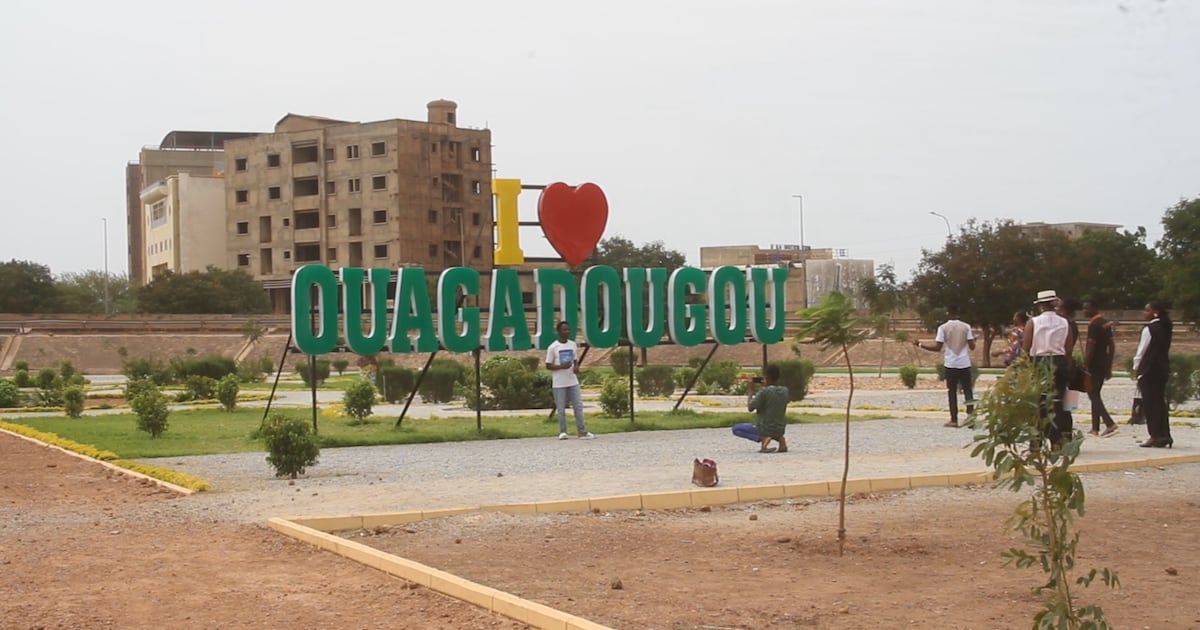
In many of Burkina Faso’s urban centers, residents face sweltering heat and dusty conditions with limited relaxation spots. Green spaces, such as the landscaped area at the foot of the Ouaga 2000 interchange, are making a tangible difference. Visitors and locals alike are noticing the positive changes.
«I couldn’t believe my eyes when I saw these newly developed green spaces. As a Burkinabè from the diaspora living in Senegal, I’ve been here for a week, and I was completely enchanted by the transformation,» shares Dr. Ines Bationo, a visitor reconnecting with her homeland.
Cooling effects and climate resilience
Urban greening isn’t just about aesthetics—it’s a climate solution. Research confirms that tree-lined streets and green roofs can lower urban temperatures by up to 2°C, reducing the health risks of heatwaves. Studies show that shaded areas can be as much as 4°C cooler than open spaces, offering much-needed relief in Burkina Faso’s hot climate.
«It’s a game-changer,» says Mahamadi Ouedraogo, a community leader. «Before, it was just bare red earth with nothing special. Now, it’s beautiful, and a microclimate has formed—exactly what we need. Even in a Sahelian country, we must prioritize ecological solutions when temperatures soar.»
More than just green spaces: building community
Beyond cooling the air, these urban oases foster social cohesion and civic pride. Green areas become hubs for relaxation, socializing, and even tourism, strengthening the bond between citizens and their cities.
«I’m thrilled,» says Sidoine Nakanabo, a visitor. «It’s a perfect spot to unwind, and it’s also boosting tourism in Burkina Faso.»
The challenge of sustainable maintenance
While planting trees is a great start, long-term care is crucial. Lassané Sawadogo, a civil society advocate, emphasizes the need for a sustainable funding model: «After development, we must ensure these spaces remain accessible while generating revenue for their upkeep through municipal or environmental ministry management.»
A modern city, the program highlights, isn’t just about infrastructure—it’s about shade, trees, and spaces where people can breathe and connect.