Burkina Faso takes legal action against Canal+ for free national TV access
Fichier généré le
The transitional authorities of Burkina Faso have initiated legal proceedings against Canal+, a major French broadcaster, for allegedly refusing to provide free airtime to the country’s national television channel.
This dispute centers on a long-standing agreement regarding the mandatory broadcasting of national content on international platforms. According to Burkina Faso’s regulatory framework, foreign television networks operating within its jurisdiction must allocate a portion of their programming to local public broadcasts. However, Canal+ is reported to have declined these requests, prompting the government to take legal action.
The legal framework and its implications
The Burkinabè government has cited the Law on Audiovisual Communication as the basis for its legal challenge. This legislation mandates that all television broadcasters, regardless of origin, must reserve at least 30% of their airtime for national content. The move highlights growing tensions between African governments and international media conglomerates over content sovereignty.
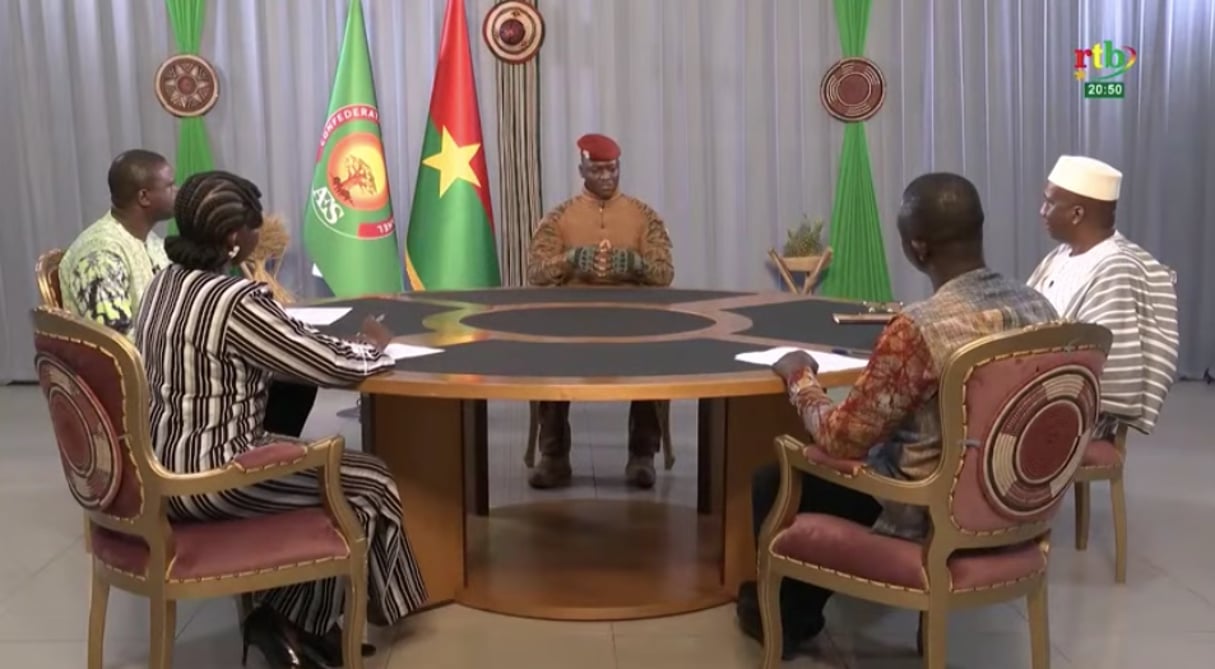
The national broadcaster, Télévision Nationale du Burkina, has expressed frustration over the lack of cooperation from foreign channels, particularly Canal+, which remains one of the most widely accessed television services in the country.
Reactions from stakeholders
Civil society organizations in Burkina Faso have hailed the government’s decision, calling it a necessary step to protect the nation’s cultural identity and media independence. Advocates argue that foreign broadcasters must comply with local regulations to ensure a fair and balanced media landscape.
Meanwhile, Canal+ has not yet issued an official response to the legal action. Industry analysts suggest the case could set a precedent for similar disputes across West Africa, where governments are increasingly asserting control over media content policies.
What happens next?
The legal battle is expected to unfold in the coming weeks, with both sides preparing their arguments. The outcome could reshape the broadcasting landscape in Burkina Faso and influence how international media operate in the region.
For now, the government remains firm on its stance, emphasizing the importance of national media sovereignty in an era of globalized content.