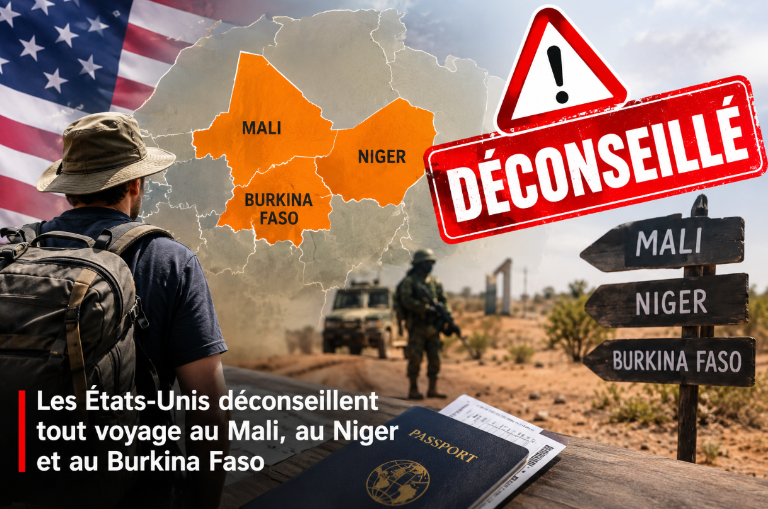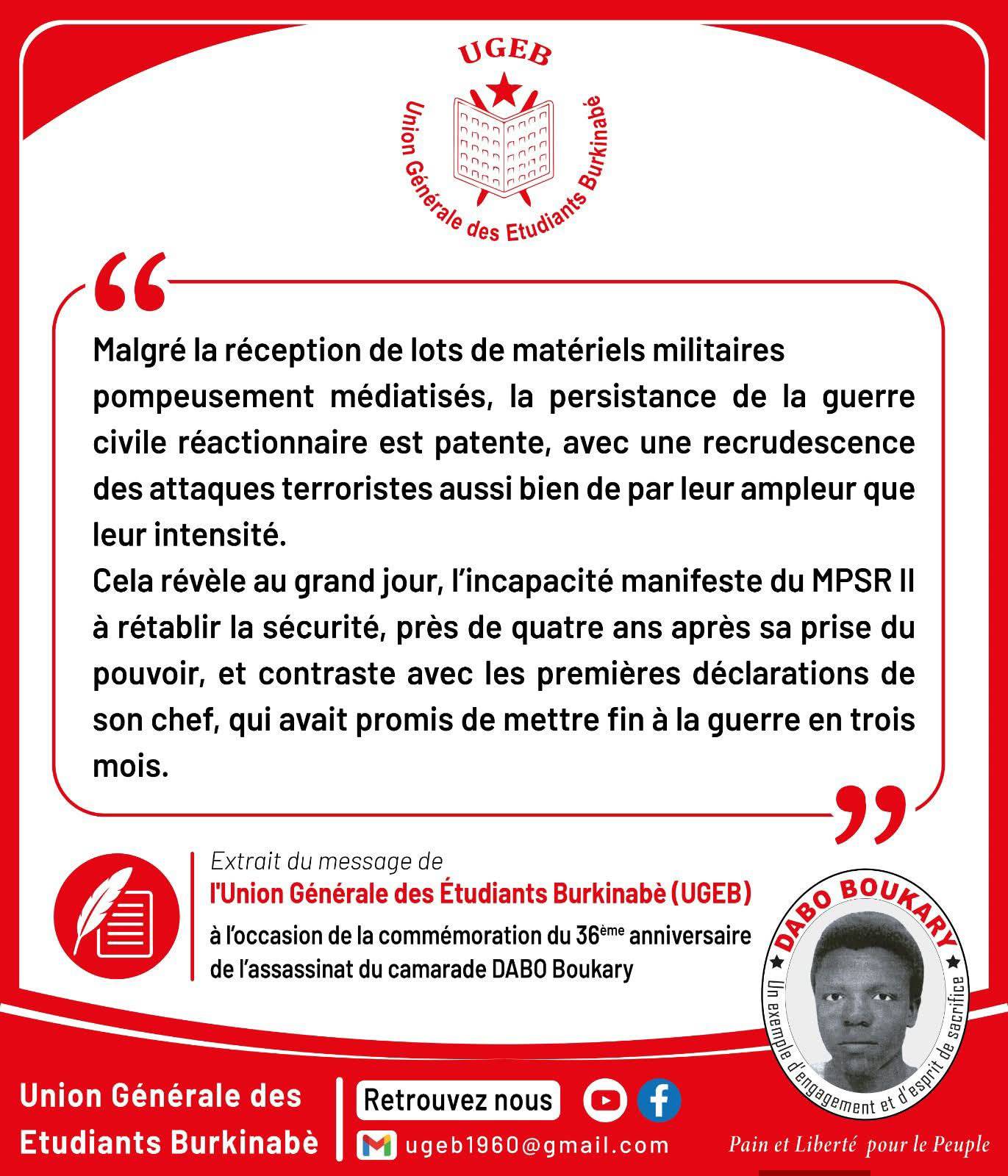
The security landscape in Burkina Faso continues to deteriorate nearly four years after the Movement for the Safeguarding and Restoration of the Fatherland (MPSR II) assumed control. In a scathing assessment, the General Union of Burkinabè Students (UGEB) has openly challenged the leadership of Captain Ibrahim Traoré, highlighting the stark gap between transition promises and the harsh realities facing the nation. From relentless militant attacks to a deepening humanitarian crisis and soaring living costs, the student body delivers a damning verdict on the current administration’s strategy from Ouagadougou.
From hopeful beginnings to stark reality: the collapse of quick-fix illusions
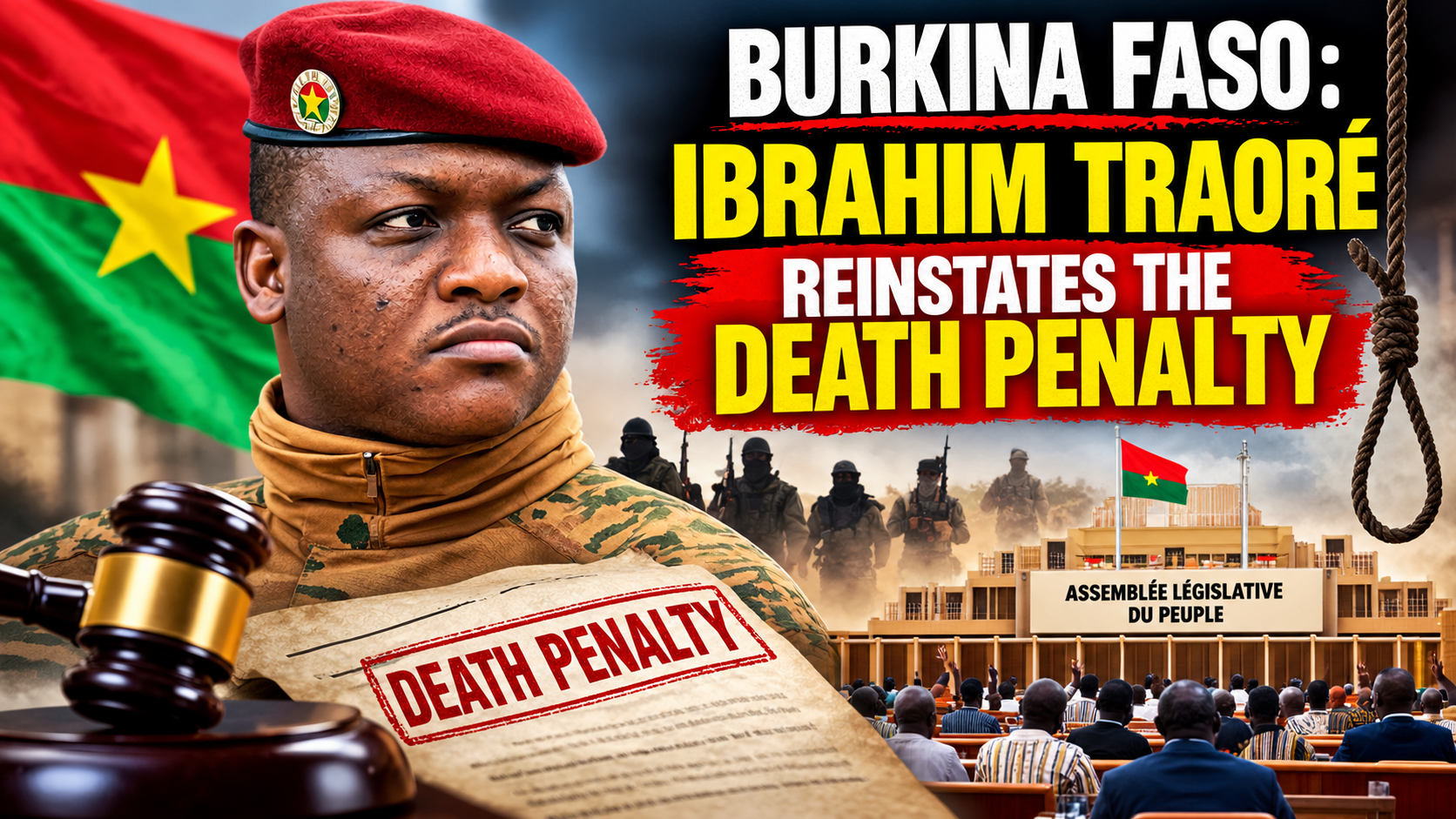
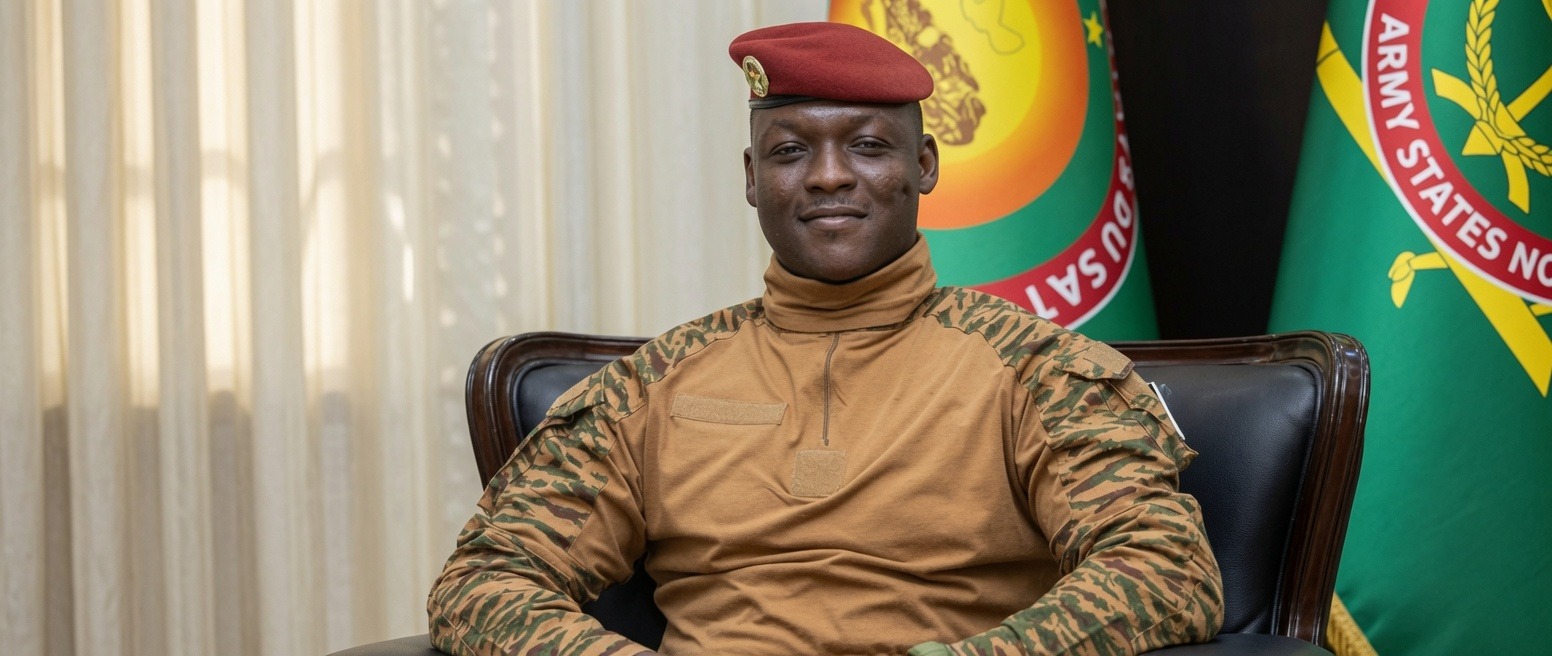
When Captain Ibrahim Traoré seized power in September 2022, he ignited cautious optimism among a war-weary population. The young leader hinted at a swift resolution to the insurgency, suggesting a three-month window to turn the tide. Yet as the calendar flips to 2026, the UGEB’s assessment leaves no room for ambiguity: the strategy has failed. The union underscores that militant attacks have not merely persisted—they have intensified in frequency, scale, and brutality. The fleeting promise of rapid victory has evaporated, replaced by a grinding conflict that has left citizens disillusioned and desperate for tangible progress.
Military hardware versus ground reality: where rhetoric fails
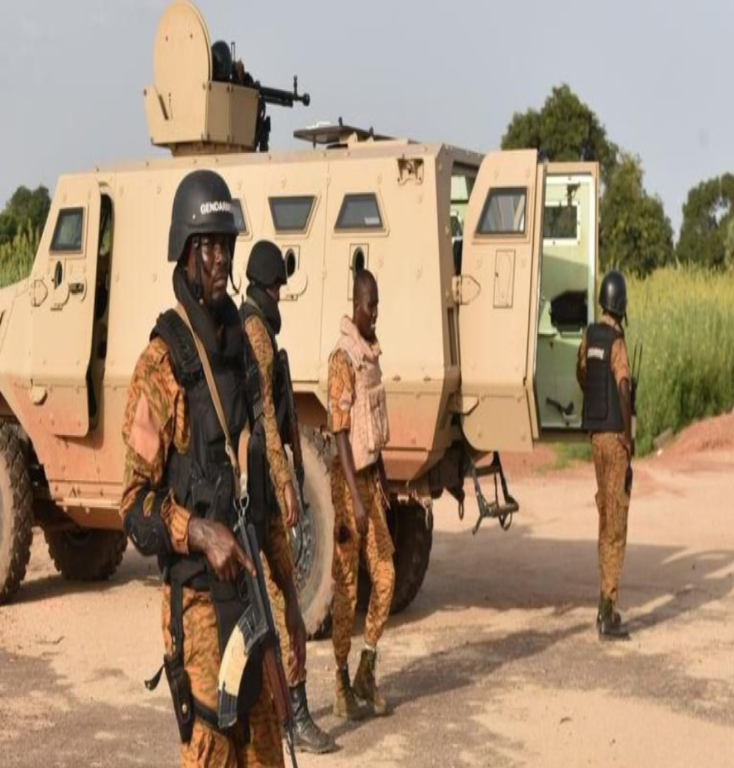
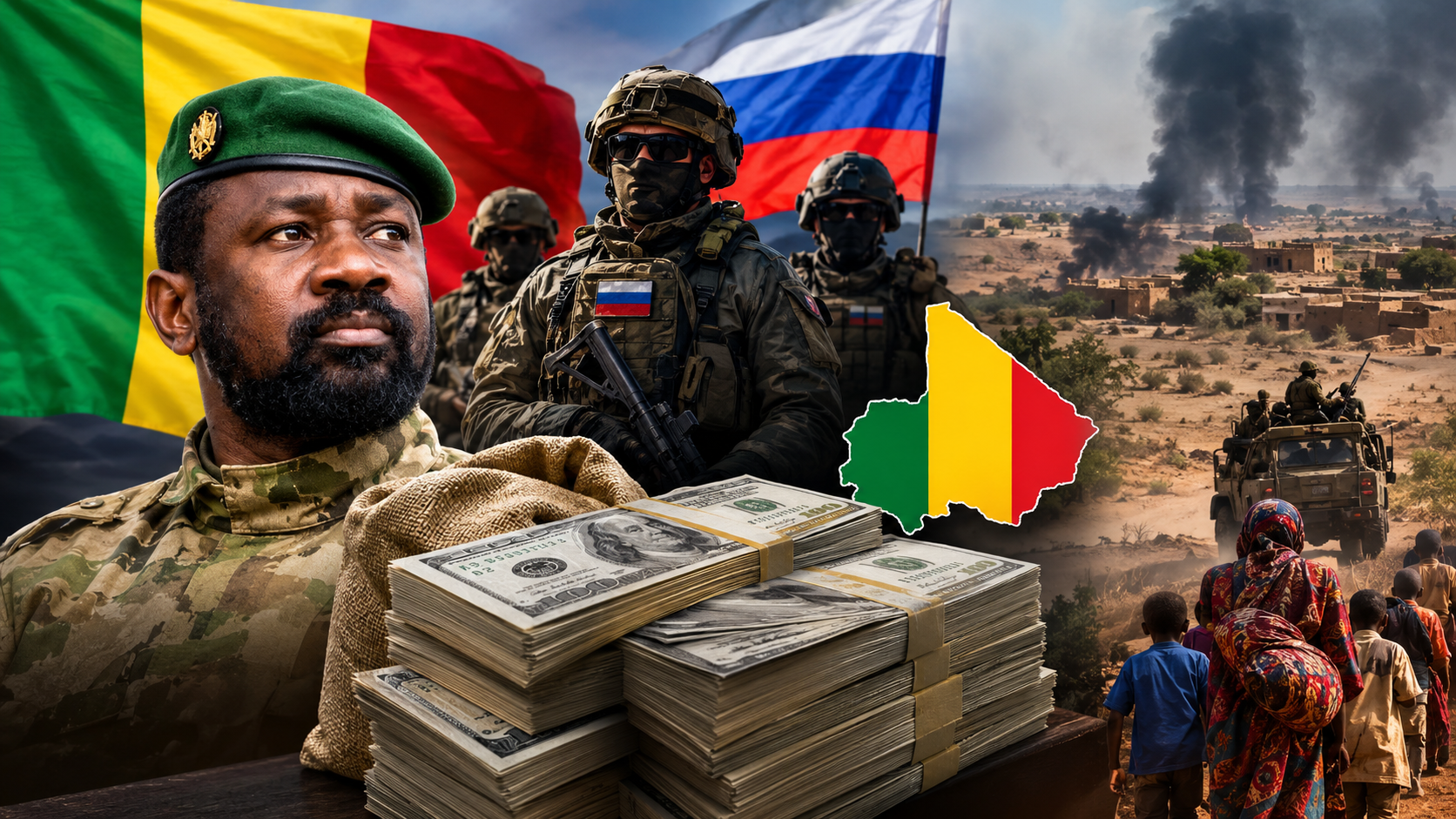
The UGEB draws a sharp contrast between the government’s celebratory military announcements and the lived experiences of Burkinabè families. Recent months have seen state media spotlighting the arrival of advanced equipment—drones, fighter jets, armored vehicles, and heavy weaponry—hailed as game-changers in the fight against terrorism. Yet the syndicate dismisses this as superficial posturing. Despite the arsenal upgrades, vast swathes of the country remain under the grip of armed groups, with civilians trapped in a cycle of violence and displacement. For the UGEB, the relentless glorification of military acquisitions cannot mask the absence of a cohesive, effective strategy on the ground.
Humanitarian catastrophe and economic collapse: the human cost of failure
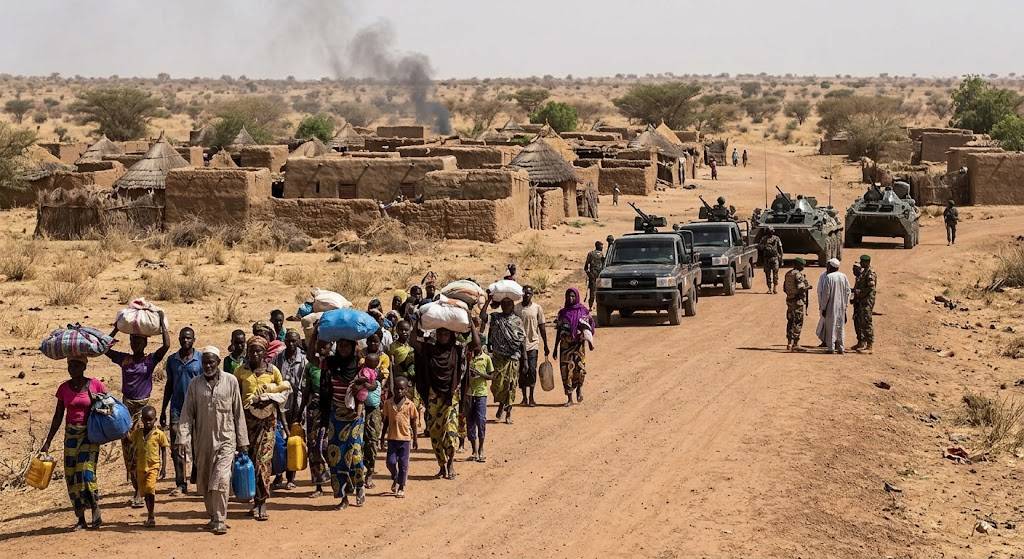
The unrelenting insecurity has triggered one of the most severe humanitarian emergencies in Burkina Faso’s recent history. Millions have abandoned their homes, fleeing rural areas for urban centers in search of safety. In their wake, villages lie abandoned, farmlands lie fallow, and livelihoods are shattered. This mass displacement has collided with an economic meltdown marked by soaring inflation and skyrocketing prices of basic goods. The student union highlights how the crisis has disproportionately affected young people, many of whom struggle daily just to access food, shelter, and education. Regions under blockade face total economic asphyxiation, pushing prices beyond the reach of ordinary citizens and deepening poverty across the nation.
Reassessing alliances: the limits of geopolitical pivots
Under MPSR II, Burkina Faso has undergone a dramatic geopolitical realignment, severing long-standing defense ties—particularly with France—and embracing new partners, most notably Russia and its Sahel Alliance allies. While the government champions these shifts as pillars of renewed sovereignty, the UGEB remains unconvinced. Despite the influx of foreign trainers and material support aimed at bolstering national defense forces and civilian defense volunteers, peace remains elusive. The union argues that these strategic choices have delivered neither the promised security nor the tangible control over national territory that citizens urgently need.
A call for accountability and urgent action
The UGEB’s critique serves as a wake-up call in a political environment where dissent is increasingly stifled. By exposing the chasm between rosy predictions and persistent violence, the student body demands an honest reckoning with the MPSR II’s strategic decisions. With displaced families enduring unimaginable hardship and ordinary citizens grappling with unaffordable living costs, the time for symbolic victories is over. For Burkina Faso, the path forward demands more than military parades—it requires real, daily security for every citizen. The challenge ahead is monumental: transforming lofty announcements into tangible peace and stability.