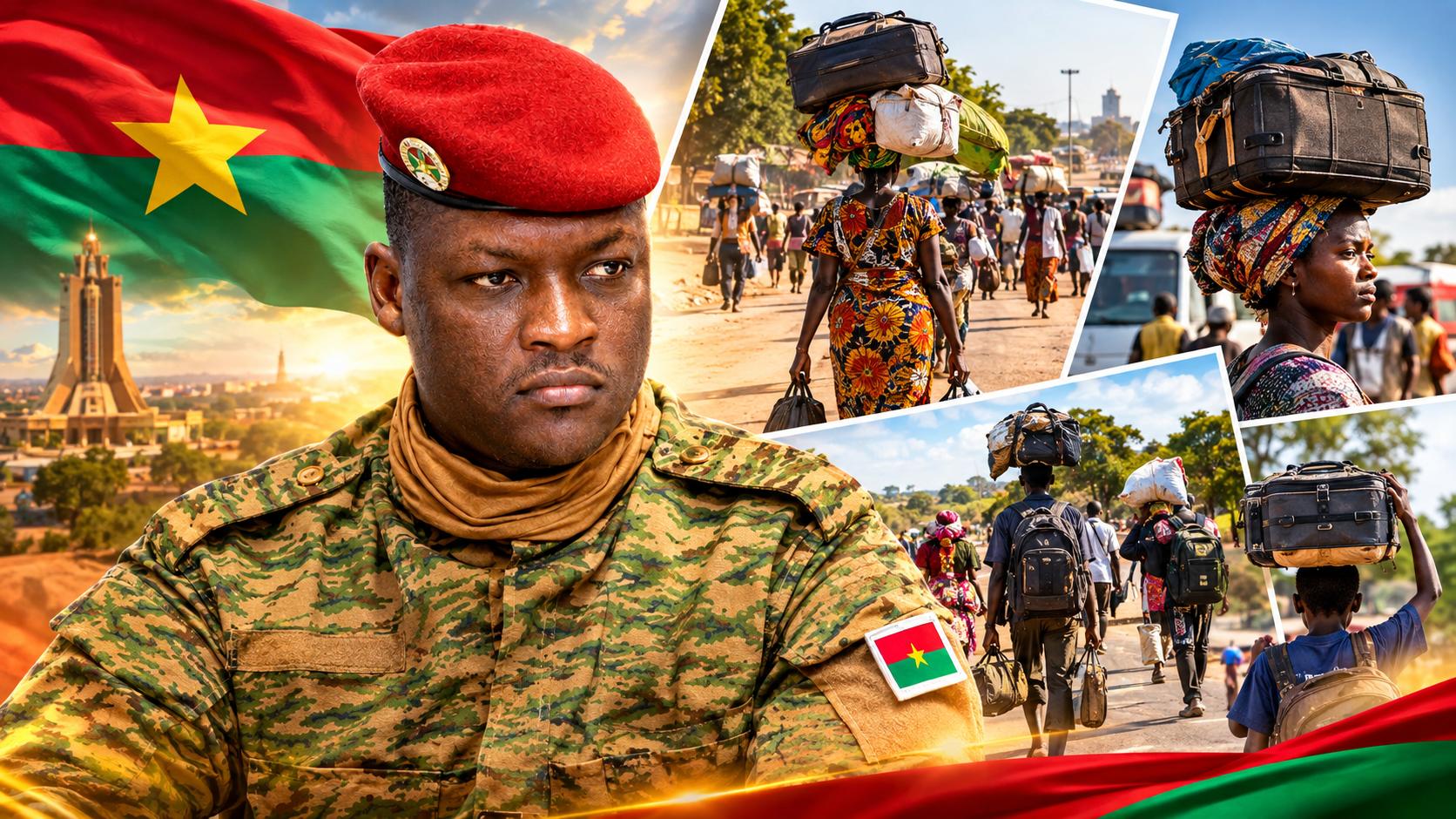
The transitional government of Burkina Faso, which emerged from the September 2022 coup, has opted to confront criticism from the European Parliament rather than engage in transparent dialogue regarding human rights and public freedoms.
In response to a resolution condemning the country’s human rights record, authorities in Ouagadougou summoned the European Union’s representative to voice their dissatisfaction. Observers suggest, however, that a more constructive approach would have been to invite a delegation of MEPs to witness firsthand the alleged improvements in security and development under Captain Ibrahim Traoré’s leadership.
Such a visit could have provided concrete evidence to counter international concerns, shifting the debate from political posturing to verifiable facts. While the government asserts that the territory has been pacified and economic progress has accelerated, multiple international bodies continue to report persistent insecurity in certain regions, as well as ongoing violations of fundamental freedoms and humanitarian challenges.
The European Parliament’s concerns are rooted in assessments from the United Nations, human rights organizations, and independent sources. In this context, allowing international observers unrestricted access to evaluate conditions on the ground could serve as the most compelling way to substantiate Ouagadougou’s claims of progress.
The core issue remains the verification of these assertions. Can the government’s proclaimed security and economic gains withstand scrutiny from independent observers? An official visit by European lawmakers might offer objective clarity on this pressing question.