Benin’s peaceful transition sets democratic example
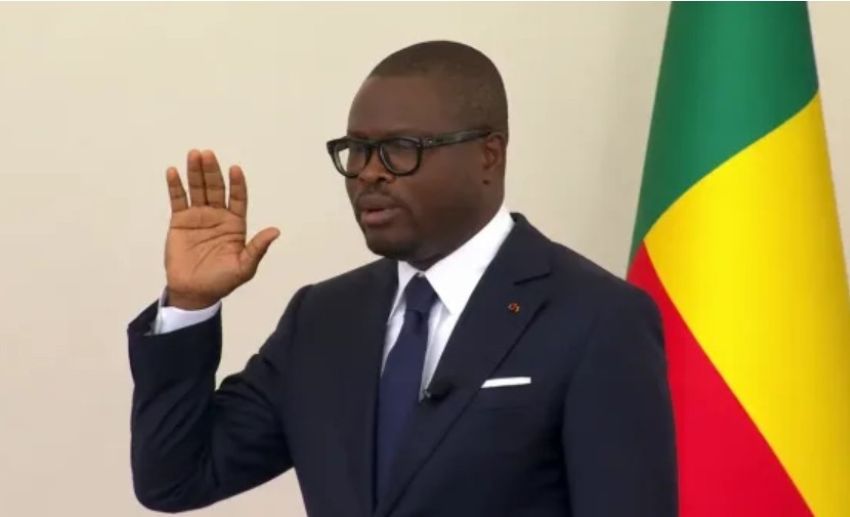
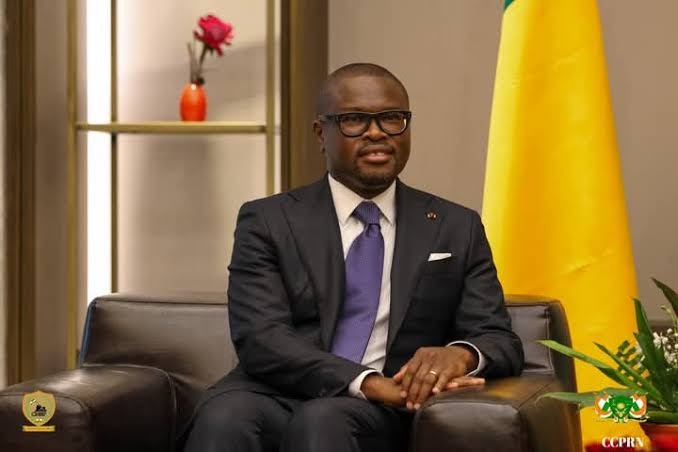
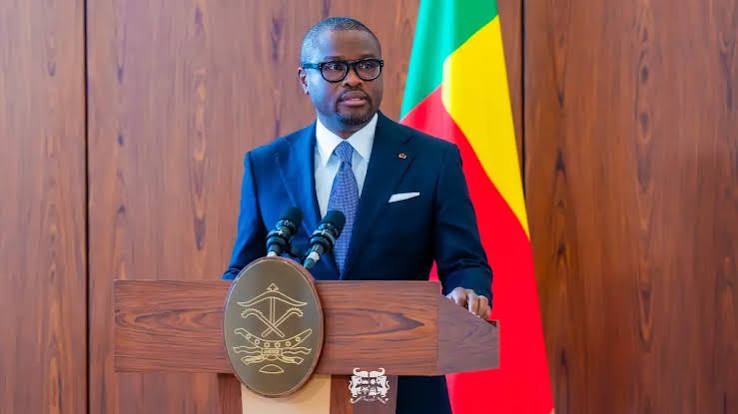
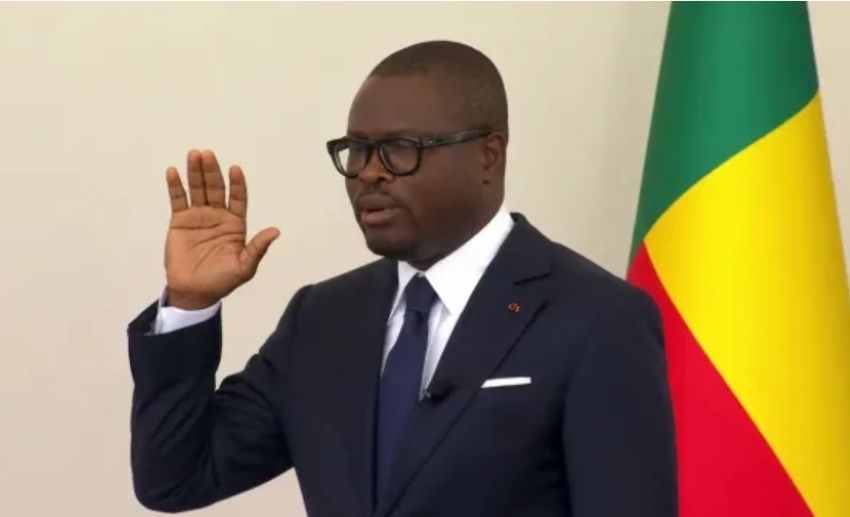
Cotonou witnessed an historic moment on Sunday as Romuald Wadagni was sworn in as Benin’s new president, marking the country’s first peaceful transition of power in decades. The ceremony, held in a climate of solemn dignity, saw the outgoing president Patrice Talon attend the proceedings, symbolizing the nation’s commitment to constitutional governance.
An exceptional democratic moment for West Africa
The transition represents more than just a change in leadership—it signals a rare success story in a region grappling with political instability. While neighboring countries face constitutional crises and military takeovers, Benin has demonstrated how democratic institutions can function effectively under pressure.
At 49 years old, Romuald Wadagni brings to the presidency a wealth of experience from his previous role as Minister of Economy and Finance. His appointment comes at a critical juncture when African democracies are under scrutiny for their ability to maintain stability through peaceful transfers of power.
The presence of former Beninese heads of state at the inauguration underscored the country’s unique political culture. Unlike many African nations where power transitions are often marred by controversy, Benin’s approach has been characterized by respect for constitutional limits and institutional continuity.
Strengthening democratic credibility across the continent
International observers and regional leaders closely followed the ceremony in Cotonou, recognizing it as a potential model for other African states. The smooth transition from Patrice Talon to Romuald Wadagni after two consecutive terms sends a powerful message about Benin’s political maturity.
This development is particularly significant given the current climate in West Africa, where several nations are experiencing political turbulence. Benin’s ability to conduct elections and facilitate leadership changes without disruption has elevated its standing as a beacon of democratic governance in francophone Africa.
Social media platforms across the continent buzzed with discussions about the event, with many users praising Benin for providing “a masterclass in democratic transition” during a period of widespread political uncertainty in Africa.
Challenges ahead for the new administration
Romuald Wadagni inherits a nation undergoing significant economic transformation but facing substantial social challenges. His background as an economist and architect of previous reforms positions him well to address macroeconomic stability, but the new president will need to balance economic progress with pressing social concerns.
In his inaugural address, Wadagni emphasized continuity in structural reforms while pledging to accelerate initiatives aimed at improving living conditions for ordinary citizens. His technocratic approach has drawn attention from both African and international economic circles, where he is seen as part of a new generation of leaders focused on administrative efficiency and economic modernization.
The president faces immediate challenges including youth unemployment, rising living costs, infrastructure development, and reducing inequality. Successfully navigating these issues will be crucial for maintaining public confidence in his administration’s ability to deliver tangible improvements.
Wadagni will also need to maintain the political stability inherited from Patrice Talon’s presidency while gradually establishing his own policy priorities. This delicate balancing act will test his leadership skills in the coming months.
A continental message of hope
The inauguration resonated far beyond Benin’s borders, arriving at a time when African nations are questioning the future of democratic models and the credibility of their institutions. The most powerful symbol of the day may have been Patrice Talon’s calm and committed presence at the handover ceremony, demonstrating that institutional continuity can prevail over personal power dynamics.
This image has been interpreted across Africa as proof that alternative political pathways exist—paths where institutions take precedence over individuals and stability derives from respect for established rules rather than personalized leadership.
Benin has thus reaffirmed its political uniqueness—a rare example of an African state capable of organizing presidential succession without major crisis or institutional rupture. In an Africa seeking new democratic benchmarks, this moment could permanently shape the continent’s political imagination.