A joint expert committee has breathed new life into stalled negotiations between Benin and Niger by proposing a framework to reopen their shared border. The proposed agreement addresses critical pillars of cooperation, including security protocols, transit regulations, and shared economic interests. Yet, Niamey has set three non-negotiable prerequisites that could delay full political endorsement of the deal.
What lies ahead for this three-year-old dispute, which has inflicted severe economic and humanitarian strains on both nations?
Three uncompromising demands from Niamey
The Nigerien authorities have outlined stringent conditions for a sustainable border reopening, sealed since 2023. The first requires a formal defense and security pact with Benin, explicitly prohibiting mutual aggression and forbidding either nation from allowing its territory to be used as a launchpad for destabilizing the other.
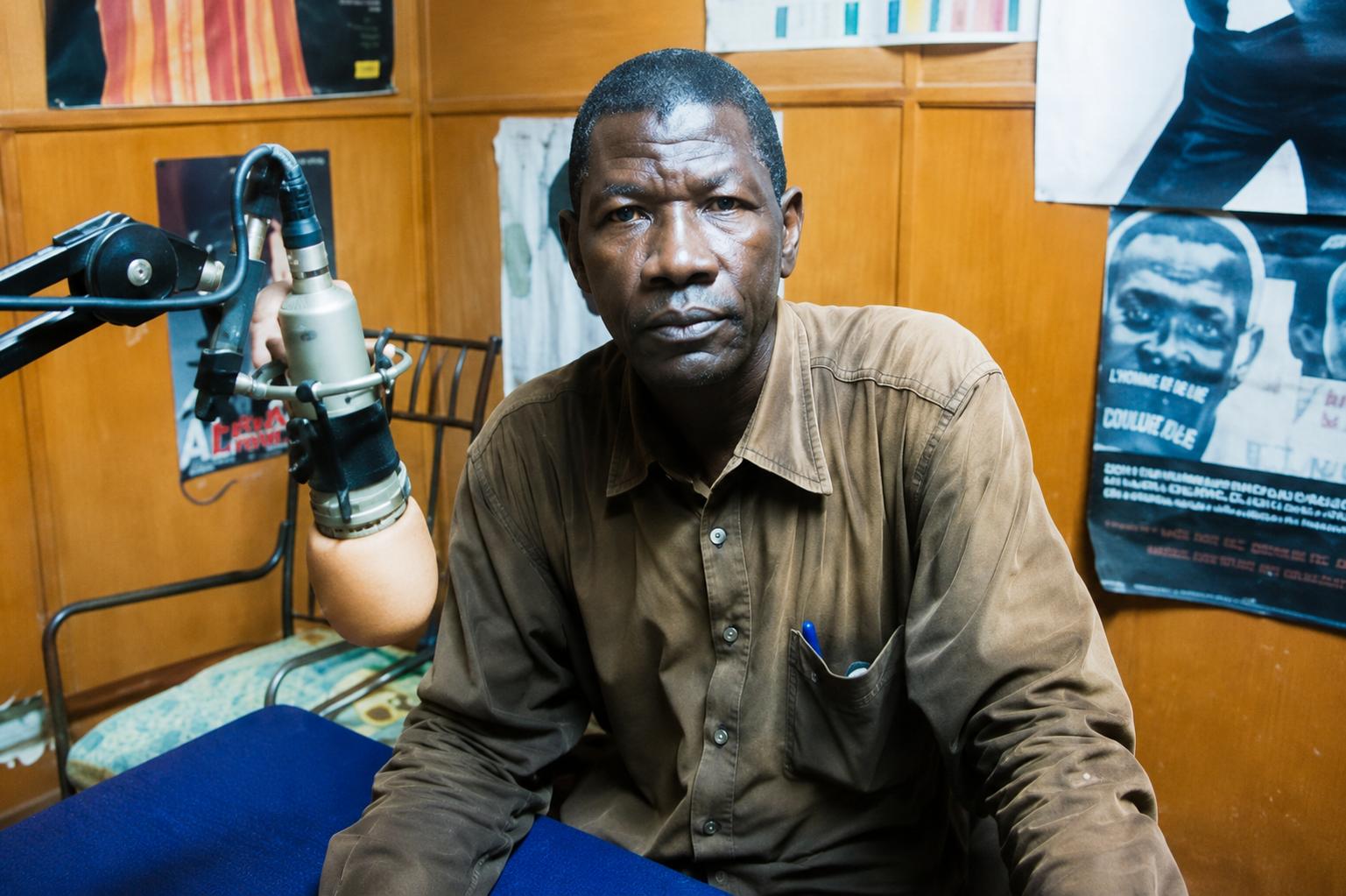
“Of course, Benin will not attack Niger, just as Niger will not attack Benin,” explains Régis Hounkpè, executive director of InterGlobe Conseils. “This is standard practice, but given the three-year freeze in relations, it takes on added significance. The real challenge lies in practical implementation—ensuring these non-binding yet fundamental principles are upheld by both sides.”
The second condition mandates enhanced intelligence-sharing through a joint operational cell, designed to monitor real-time threats such as terrorism and cross-border trafficking. Hounkpè endorses this measure as reciprocal and pragmatic: “Both nations must be certain that neither side is harboring destabilization efforts. Transparency in intelligence exchange is key.”
The third demand involves full disclosure of foreign military deployments or defense arrangements near the border, particularly those involving Western partners. Hounkpè frames this as a sovereignty issue: “Benin is a sovereign nation free to forge its own military partnerships—be it with France, China, Russia, or others—as long as these alliances are not weaponized against Niger. The bottom line? No one benefits from stoking instability beyond their borders.”
Economic fallout of a closed border for Niger
Until Benin meets these demands, the border remains shut. This blockade cripples a vital trade artery: nearly 70% of Niger’s imports transit through Benin, including critical supplies for the broader West African region. The closure has forced costly detours through riskier routes, inflating logistics expenses by 30% to 50% in under three years.
The suspension of oil flows via the 2,000-km pipeline from Agadem to Benin’s Sèmè-Kpodji port has compounded losses, depriving Niger of millions in expected revenue. Meanwhile, the 90,000-barrel-per-day export pipeline, once a lifeline, now stands idle—each delayed shipment translating to tens of millions in lost dollars.
Strains on Benin’s economy
Benin also bears the brunt of the closure. Transit fees once bolstered state coffers, but now congested ports and idle trucks have slashed revenues by up to 60% in sectors like customs, wholesale trade, and logistics. Merchandise rerouted to Togo and Nigeria threatens Benin’s status as a regional hub, eroding its competitive edge.
For communities along the border—like Malanville in Benin or Gaya in Niger—the impact is visceral. Markets have seen customer traffic plummet by half, forcing closures and layoffs. Staple goods grow scarce, prices surge, and families are cut off as overland travel becomes perilous. The resulting isolation fuels smuggling rings and extortion, deepening vulnerability.
A shared economic imperative
Régis Hounkpè underscores the macroeconomic urgency for both nations: “Reopening the border would restore the flow of goods, revitalize Cotonou’s port—crippled for three years—and restore livelihoods for transporters, logisticians, and merchants on both sides.”
The economic stakes have already nudged both governments toward dialogue. Benin’s President Romuald Wadagni, sworn in earlier this year, made a symbolic gesture by visiting Niamey on June 2, 2026, kickstarting the expert committee’s negotiations. Hounkpè remains optimistic: “Leaders today are practicing pure geopolitics—bound by geography, they must collaborate to survive.”
The most plausible outcome? A phased border reopening prioritizing essential goods, paired with stricter controls. If successful, Hounkpè predicts ripple effects across the Economic Community of West African States (ECOWAS) and the Alliance of Sahel States (AES), mirroring recent thawed ties between Mali and Ivory Coast—driven not by ideology, but by economic necessity.