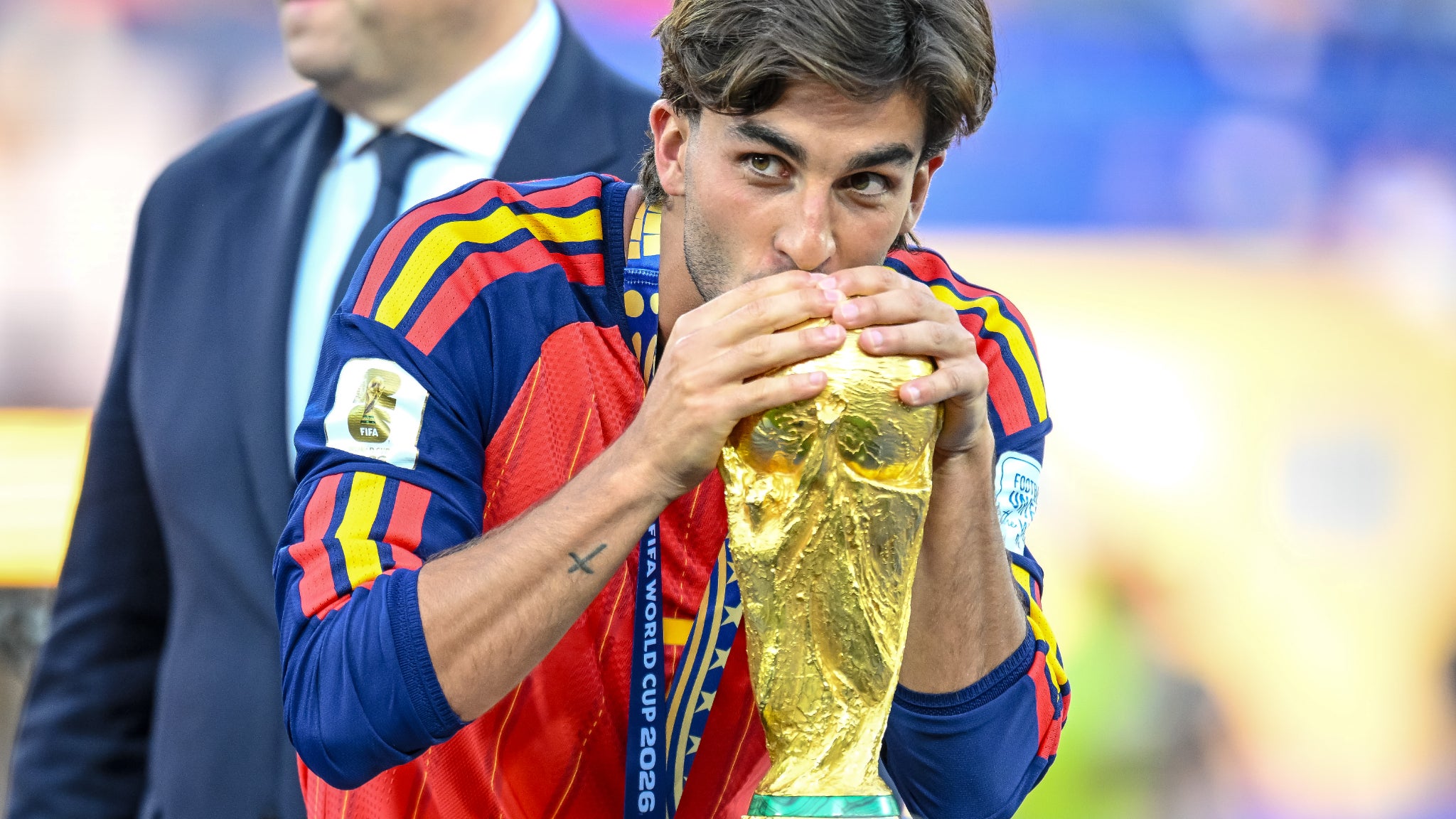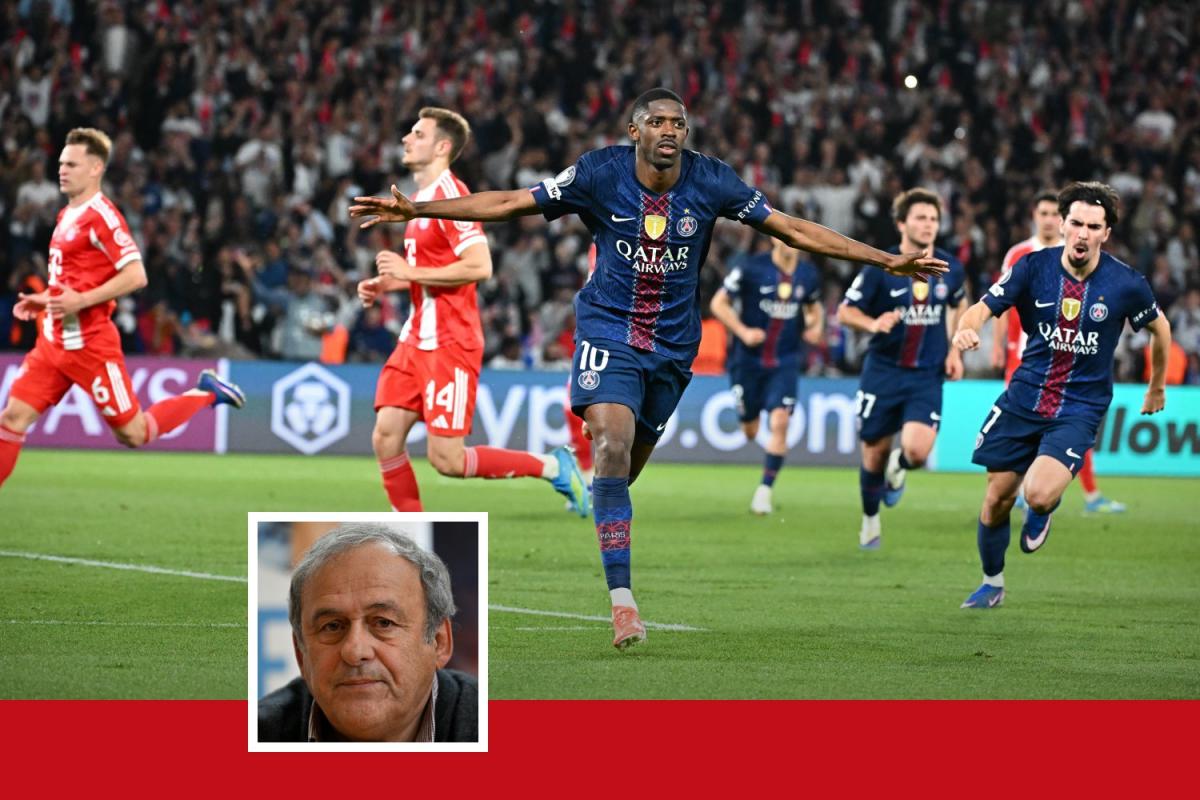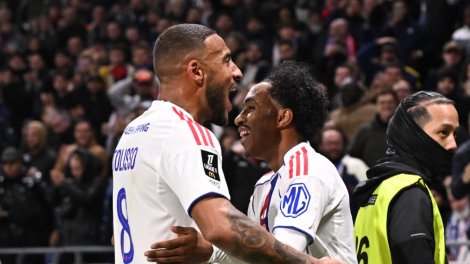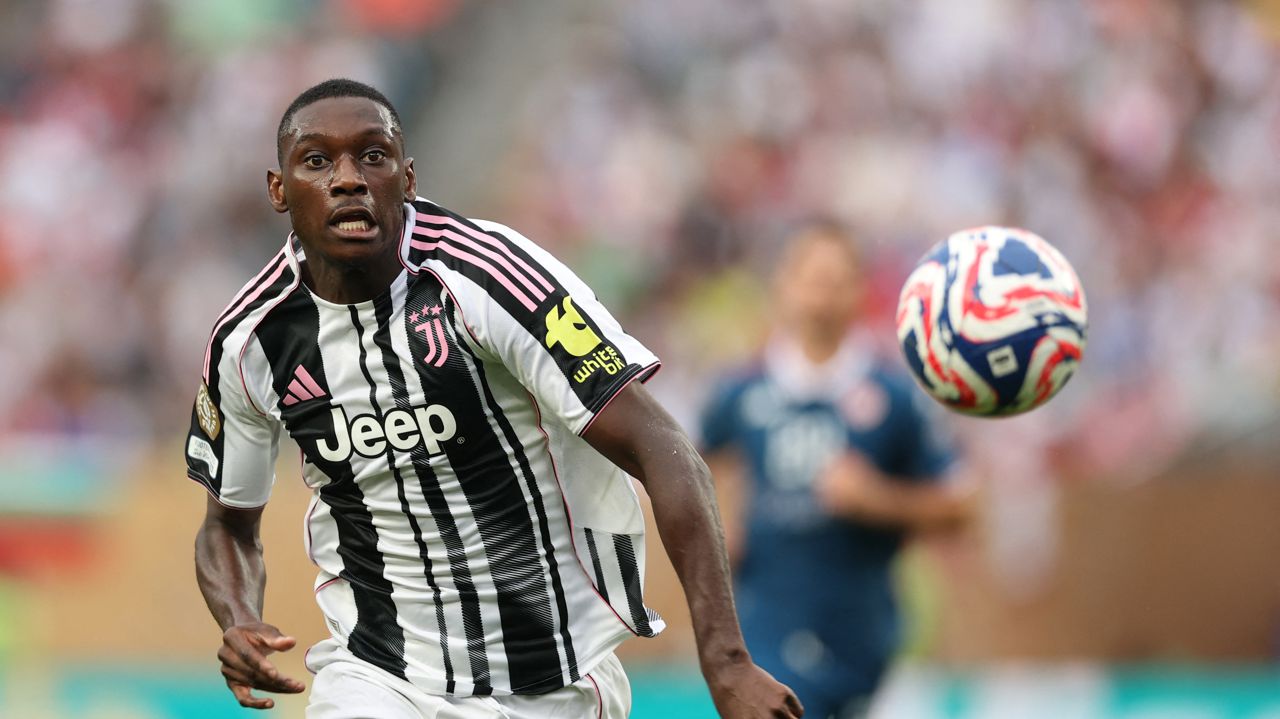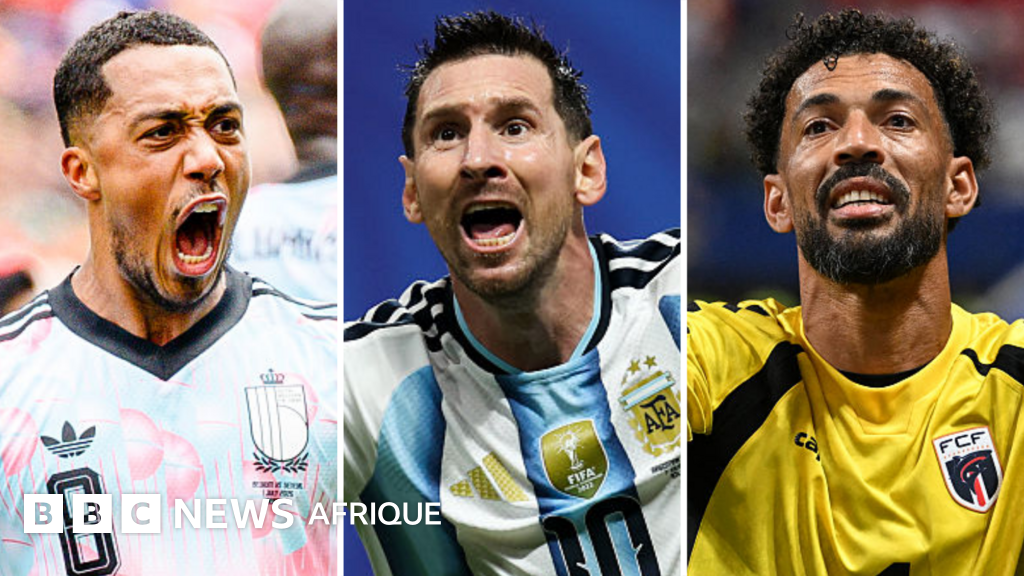
Stunning goals, breathtaking comebacks, relentless suspense until the final whistle, and unforeseen results—this World Cup is rewriting the narrative of global football. With the quarter-finals just days away, eight matches remain in this summer’s most electrifying sporting spectacle.
For the first time ever, 48 nations are competing across three host nations—the United States, Mexico, and Canada—making this the most expansive edition in the tournament’s 96-year history. But has it also been the greatest?
Assessing the ‘best’ World Cup is inherently subjective. For some, it’s the tournament they first watched as a child; for others, it’s the one where their national team defied the odds. Yet the numbers suggest that, on the pitch at least, this competition stands tall.
Record-breaking scoring and unforgettable moments
With 104 matches played so far, this tournament has delivered 280 goals—a tally that translates to an average of 2.92 goals per game. This marks the highest scoring rate since 1970 in Mexico, where 95 goals were scored across 32 matches (2.97 per game). For comparison, the 2022 World Cup in Qatar averaged 2.69 goals per game, while Russia 2018 saw 2.64 and Brazil 2014 recorded 2.67.
The most prolific match? Germany’s 7-1 victory over Curaçao. Seven other games produced six goals each, and 13 encounters finished with five goals. Beyond sheer volume, 74.6% of all goals were scored in open play—the highest proportion in World Cup history—while just 5% came from penalties, the lowest ever recorded.
Late drama and historic comebacks
One of the defining features of this tournament has been the sheer number of goals scored in the dying minutes. In the knockout stages alone, eight matches were decided by a goal in the last 15 minutes, including Argentina’s dramatic extra-time win over Cape Verde—a team making its World Cup debut. Four other games were settled on penalties.
The final whistle of extra time brought even more history. Enzo Fernández’s winner for Argentina against Egypt in the 90th minute marked the 10th match-deciding goal scored in stoppage time this World Cup—a new record. Three unforgettable July clashes—Belgium’s 3-2 win over Senegal, Argentina’s 3-2 victory over Egypt, and England’s 3-2 triumph over Mexico—each featured multi-goal comebacks, a feat unseen in a single tournament since 1970.
England’s journey was particularly remarkable. Down to 10 men after Jarell Quansah’s red card, they fought back in the suffocating heat of Mexico City’s Azteca Stadium to secure a dramatic victory.
This tournament has also seen eight goalless draws—the most in World Cup history. Far from signaling weakness, this reflects the growing tactical sophistication and parity among teams.
Fans, stars, and underdog stories
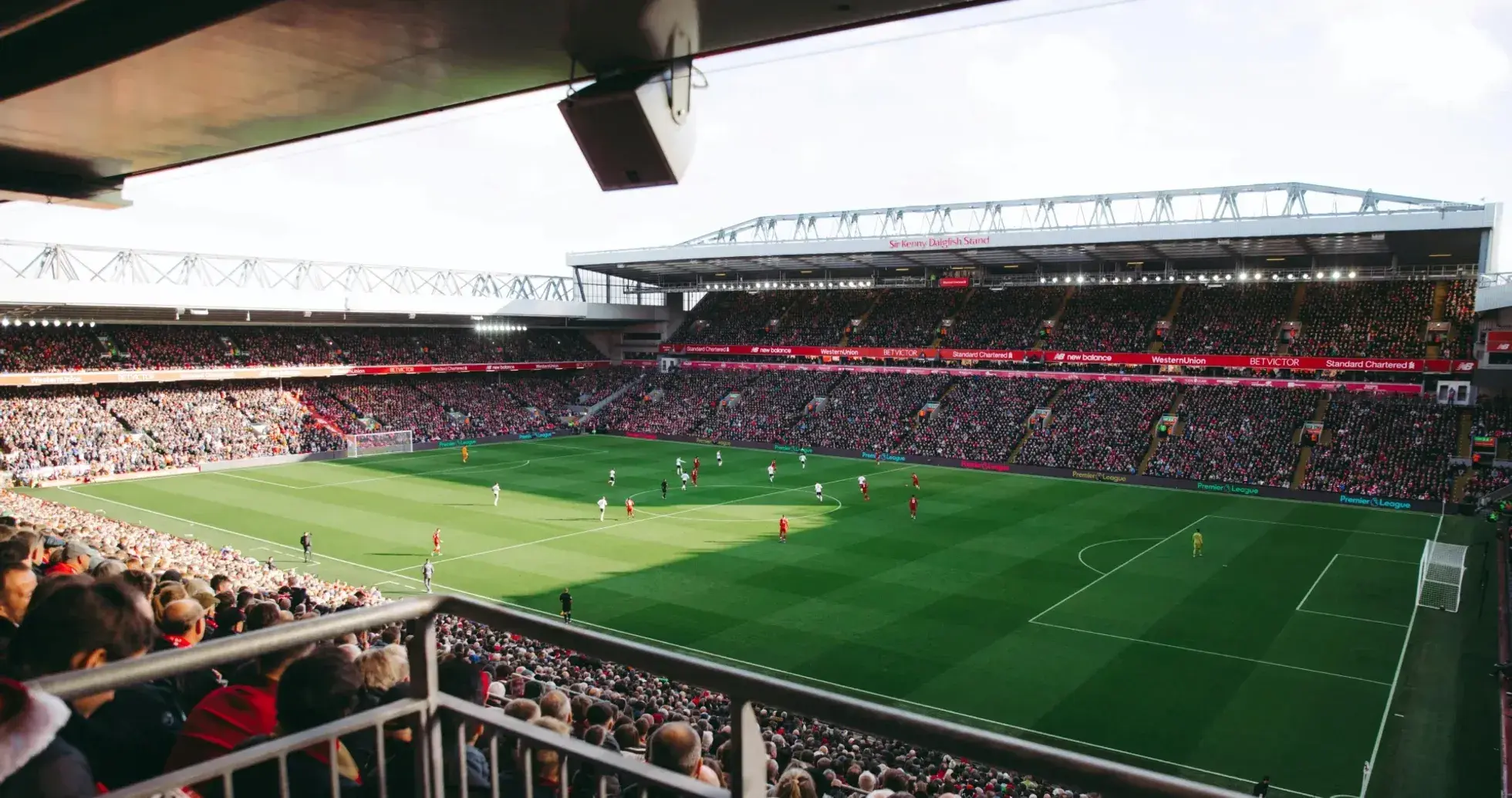
Organizers had feared empty seats due to exorbitant ticket prices and the logistical challenges of traveling between host cities. Instead, the opposite occurred. FIFA reports a 99.7% stadium occupancy rate, with over 4.4 million fans attending group-stage matches and another 1.8 million filling venues during the knockout rounds—averaging over 65,000 spectators per game. Only the 1994 World Cup in the U.S. drew higher average attendance (68,626).
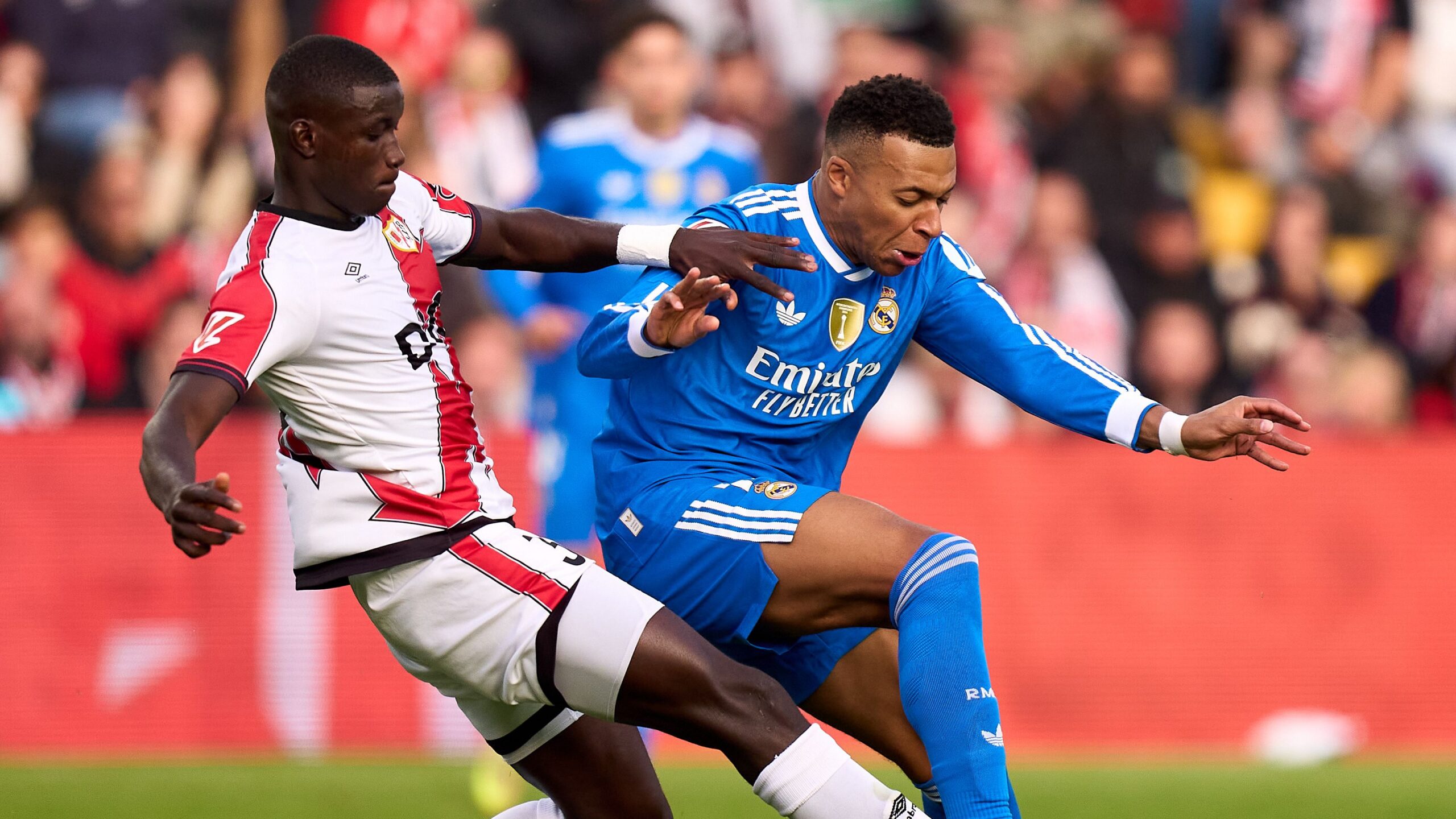
Football’s biggest names have also delivered. The race for the Golden Boot is tighter than ever: Argentina’s Lionel Messi leads with eight goals, closely followed by France’s Kylian Mbappé and Norway’s Erling Haaland (seven each), and England’s Harry Kane (six). This is the first time three players have hit seven or more goals in a single World Cup.
The expanded format has not diluted quality. Underdogs have written their own chapters. Curaçao—smallest nation ever to qualify—recovered from a 7-1 thrashing by Germany to draw with Ecuador. Qatar, despite a 6-0 loss to Canada, held Switzerland to a 1-1 draw in a group that included eventual quarter-finalists. Cape Verde, led by veteran goalkeeper Vozinha, stunned Spain, Uruguay, and Saudi Arabia before nearly eliminating defending champions Argentina in extra time.
Controversies overshadow the magic
No tournament is without its shadows. Skyrocketing costs for flights, hotels, and match tickets stretched the budgets of fans to unprecedented limits. Hydration breaks, introduced to combat extreme heat, drew both praise and criticism—welcomed in sweltering conditions but mocked during rain or in air-conditioned, roofed stadiums.
The grueling schedule—starting June 11 and culminating July 19 with just over a month between final and the resumption of the Premier League—has raised concerns about player fatigue and recovery. Refereeing decisions have sparked debate, with calls for greater consistency and transparency.
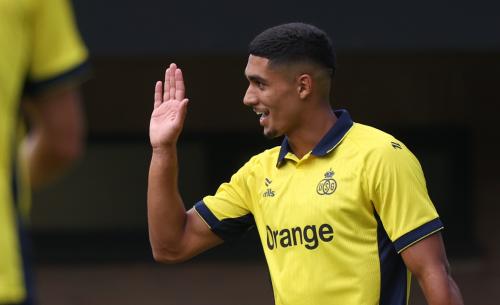
The most contentious moment involved American striker Folarin Balogun. Sent off in the Round of 16 clash with Bosnia-Herzegovina, he was controversially cleared to play in the next round following direct intervention by U.S. President Donald Trump with FIFA President Gianni Infantino. This unprecedented move invoked FIFA’s disciplinary code to suspend the red card on a provisional basis, a decision that drew widespread criticism from UEFA, Belgium’s team, and England manager Thomas Tuchel. Remarkably, this was the first time since 1962—when Brazil’s Garrincha avoided suspension due to political interference—that a player overturned a sending-off at the World Cup.
With 189 red cards in World Cup history, only two players previously avoided suspension. Balogun’s case has reignited debates about the influence of politics in sports and the integrity of disciplinary processes.
A finale to remember?
Despite the controversies, FIFA can take pride in a tournament that has delivered excitement, drama, and near-perfect attendance. As the quarter-finals approach, the stage is set for a climax that could cement this World Cup in history. With the world’s top four ranked teams—Argentina, Spain, France, and England—still in contention, the potential for spectacular football has never been higher.
History shows that a thrilling final can transform perceptions of an entire tournament. The 1994 final, marred by Roberto Baggio’s missed penalty, cast a pall over a strong competition, while Qatar 2022’s dramatic showdown helped rehabilitate its image after early criticism.
Ten days remain. The question isn’t whether this World Cup will be remembered—it already has been—but whether its finale will rise to the occasion and make it the greatest of all time.