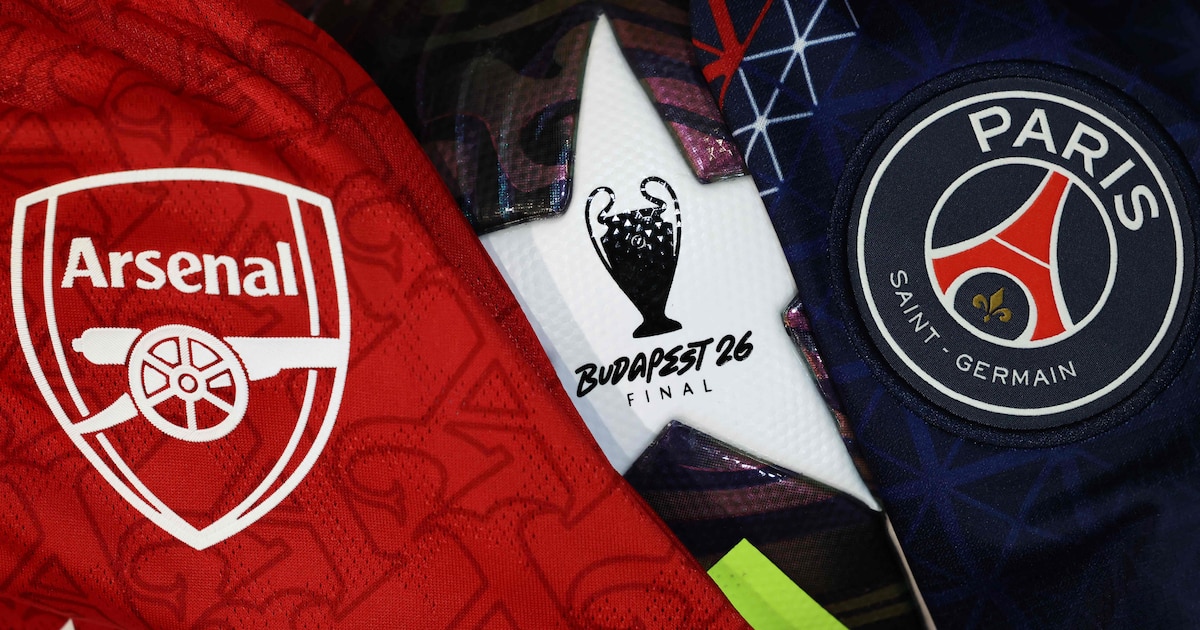
The final match of the UEFA Champions League is just days away, and the black market for tickets has reached unprecedented levels. With only 18,000 tickets officially allocated to each club—Arsenal and Paris Saint-Germain—the remaining 31,000 seats are reserved for neutral spectators, partners, and other distribution channels, creating a massive imbalance between supply and demand.
This scarcity has led to absurd price hikes, with some resellers demanding up to 115,000 euros for a single ticket. While the UEFA sets official prices ranging from 70 to 950 euros, the secondary market has spiraled out of control. On platforms like FanPass or SeatPick, exorbitant fees are not uncommon, while WhatsApp groups and social media exchanges operate under a different set of rules.
organized crime in the ticket trade
What began as opportunistic reselling has evolved into a sophisticated black market operation. Some supporters, unable to secure tickets through official channels, have fallen victim to elaborate scams. Martin, a Paris Saint-Germain fan, shared his experience: “We contacted a seller on X, exchanged messages, and were asked for an IBAN and personal details before making a transfer. Once the money was sent, the seller vanished.”
The resale scene has also seen the emergence of organized networks. Supporters reveal that some individuals purchase dozens of tickets to resell them at inflated prices, exploiting the high demand for a historic match. “It’s like a black market parallel to the official system,” Martin explained. “On WhatsApp groups, tickets rarely go for less than 2,000 euros—if they’re available at all.”
new fraud tactics emerge
The UEFA has attempted to curb fraud by introducing a digital ticketing system. Instead of paper tickets or PDFs, fans must use the UEFA Mobile Tickets app. The organization has made it clear that screenshots of digital tickets are invalid, and only the phone used to download the ticket will grant entry. Sharing accounts or transferring tickets digitally is strictly prohibited.
However, resellers have adapted. Some now sell not just tickets but the smartphones themselves, complete with pre-loaded tickets. This tactic ensures the ticket remains valid while transferring ownership of the seat. Offers like “two tickets plus a smartphone for 19,500 euros” are circulating on WhatsApp, pushing the boundaries of what constitutes ticket resale.
The risks are substantial. Buyers may receive a device by mail or meet the seller in person, leaving them vulnerable to scams. Martin, who ultimately secured a ticket for the Parc des Princes via WhatsApp, remains skeptical: “It’s hard to know who’s behind these deals—whether it’s individuals or organized groups. The whole situation feels unsettling. Where is all that money going?”
UEFA’s digital safeguards fall short
The UEFA’s efforts to prevent fraud are commendable, but their digital ticketing system has already been circumvented. By tying tickets to specific devices, the organization aimed to prevent multiple resales of the same ticket. Yet, the rise of smartphone sales alongside tickets demonstrates how quickly the black market evolves.
For now, fans hoping to attend the Champions League final in Budapest face a stark choice: pay exorbitant prices, risk falling for a scam, or watch the match from a public screen. With the clock ticking, the secondary market shows no signs of slowing down.