Tchad president grants pardon to Succès Masra after 20-year sentence
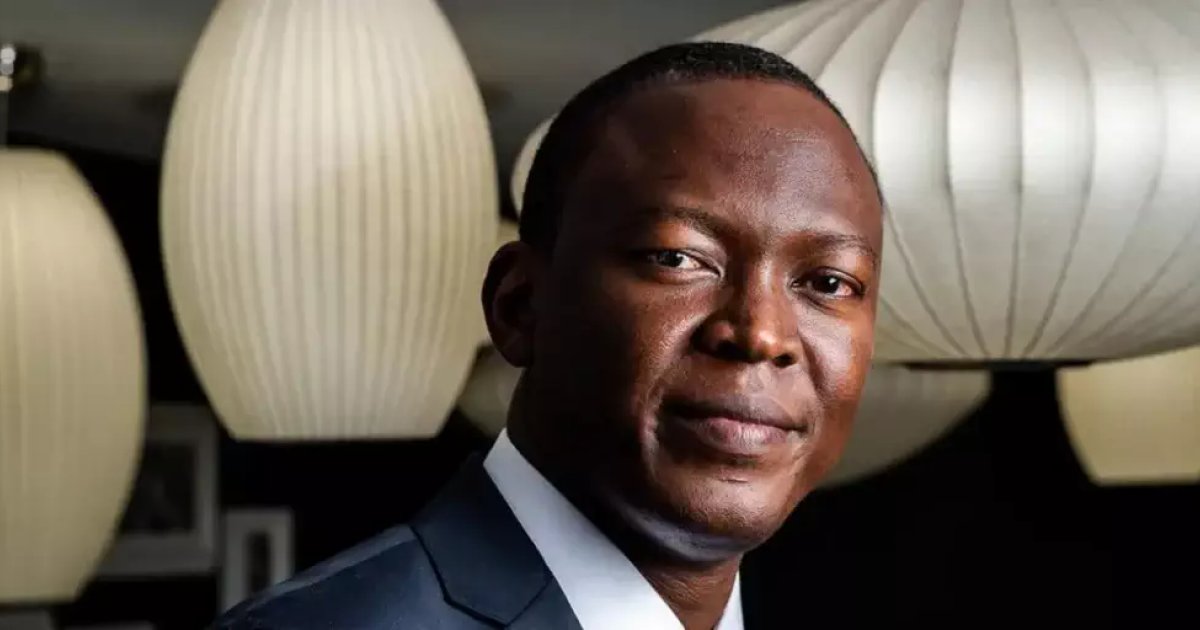
Chad’s leader grants presidential pardon to opposition figure Succès Masra
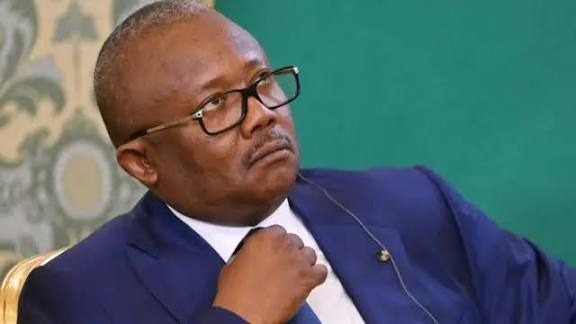
Chad’s transitional president, Mahamat Idriss Déby Itno, has issued a presidential pardon to Succès Masra, a former prime minister and leader of the Les Transformateurs party. The decision, announced on August 14, 2026, follows a 20-year prison sentence handed down in August 2025, though the pardon does not overturn the conviction itself.
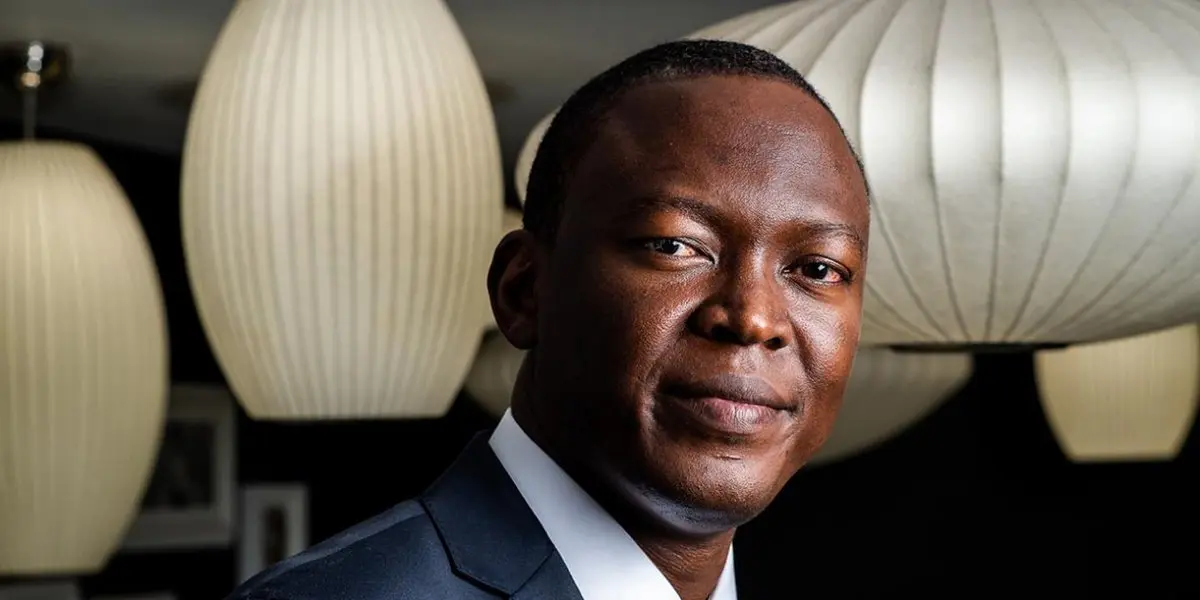
The pardon arrives nearly three months after Chad’s Supreme Court rejected Masra’s appeal, upholding the original sentence in May 2026. With all legal avenues exhausted, a presidential pardon emerged as the most viable path to altering the execution of his sentence.
Condemned for 2025 violence in Logone Occidental
Succès Masra was sentenced in connection with deadly clashes in Mandakao, located in Logone Occidental, where prosecutors accused him of spreading hate speech and complicity in murder. The unrest in May 2025 resulted in dozens of fatalities and left a deep mark on Chad’s political landscape.
The limits of a presidential pardon
A presidential pardon does not erase the underlying conviction—it only affects the enforcement of the sentence. For Masra, this means he may soon be released, but the legal judgment against him remains intact. His legal team and party, Les Transformateurs, have long argued that the trial process was flawed, making the pardon a pragmatic step toward easing political tensions.
In the lead-up to Chad’s 66th Independence Day, Mahamat Idriss Déby had signaled his intent to use his clemency powers, though the names of beneficiaries were not disclosed immediately. Masra’s case had drawn significant attention, with opposition leaders and civil society groups advocating for his release as a gesture of national reconciliation.
From transition leader to opposition figure
Succès Masra’s political trajectory shifted dramatically in early 2024 when he was appointed prime minister of Chad’s transitional government. However, his presidential bid in May 2024—where he finished second with roughly 18% of the vote against Mahamat Idriss Déby’s 61%—ended in disputed results. After the Constitutional Council confirmed the outcome, Masra resigned from his post and became a vocal critic of the administration.
His arrest in May 2025 and subsequent conviction further strained relations between his party and the ruling authorities, deepening Chad’s political divide. The pardon, while not a full exoneration, marks a potential turning point in the country’s fragile post-transition stability.