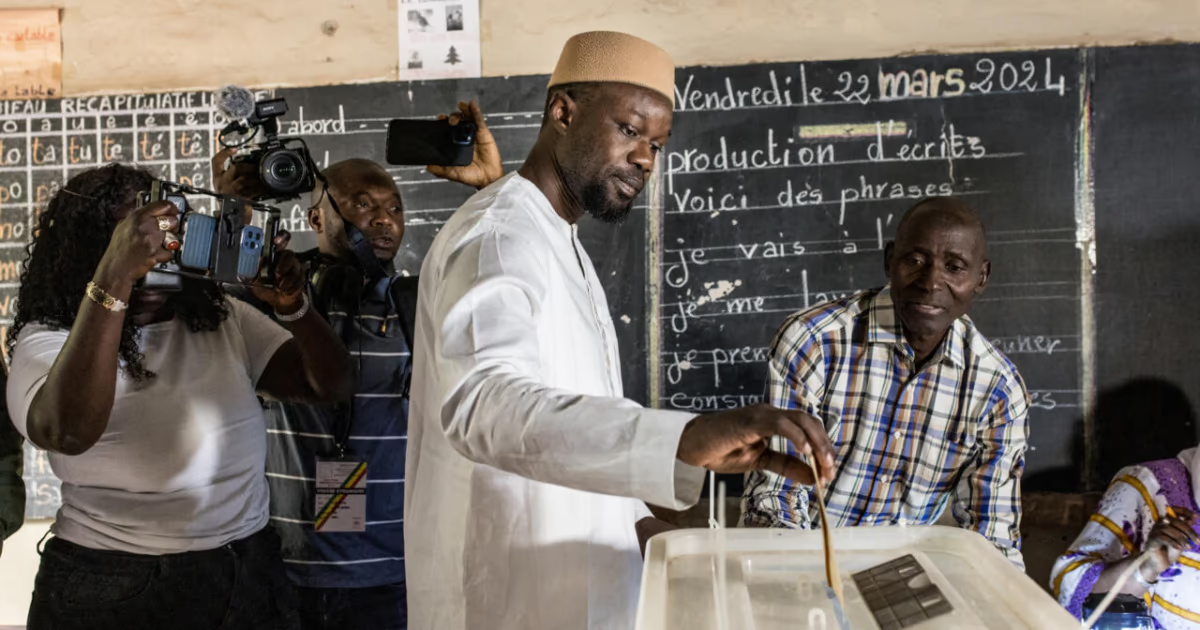
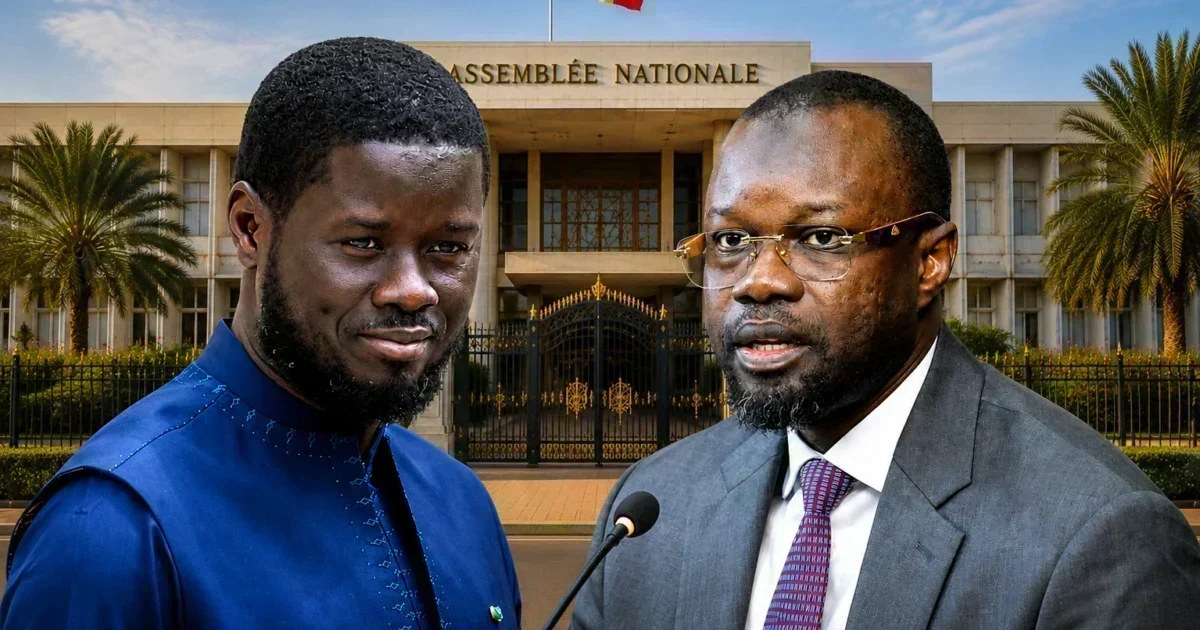
The political landscape in Dakar has shifted dramatically following President Bassirou Diomaye Faye’s decision to dismiss Ousmane Sonko from his role as Prime Minister. Just one week after his removal, Sonko, leader of the Pastef party and a prominent opposition figure, launched a scathing attack against the head of state, setting the stage for what could be a prolonged confrontation.

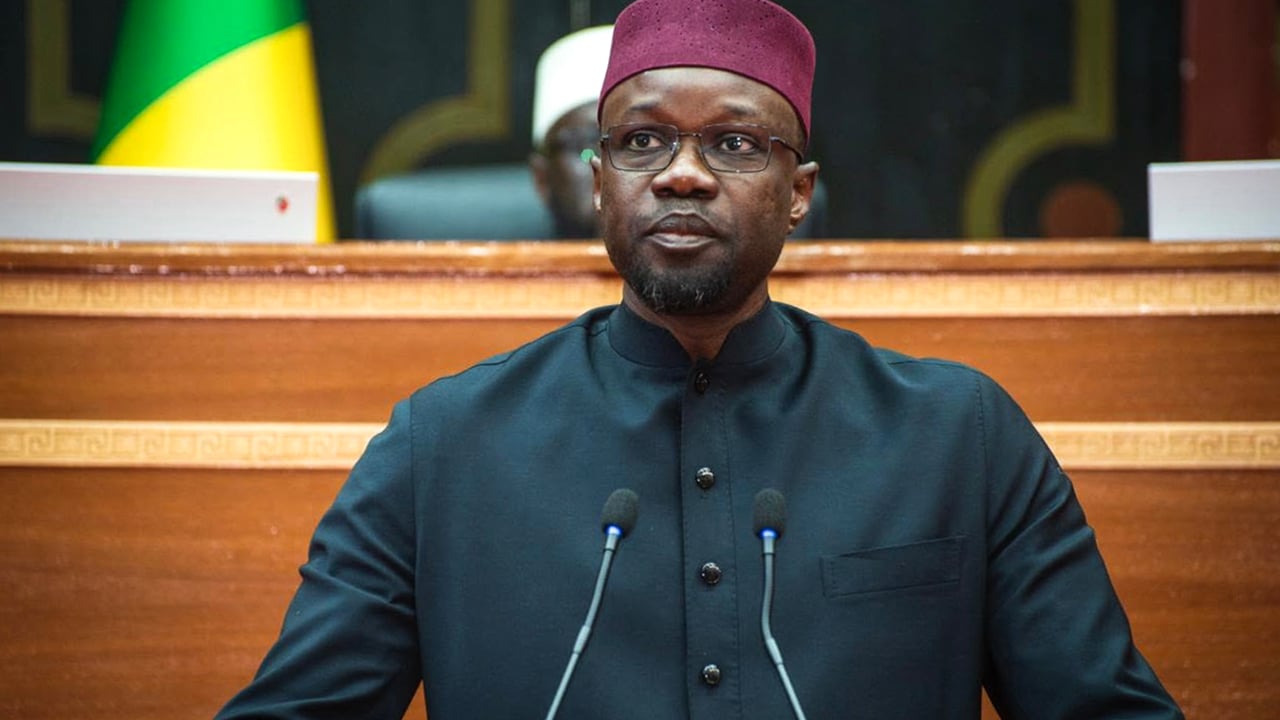
In a press conference held on Tuesday, June 2, Sonko did not mince his words. While he refrained from calling for institutional destabilization, he emphasized that the Pastef party’s parliamentary majority grants it the power to topple the government through a no-confidence motion if necessary. Sonko portrayed the current situation as a form of political cohabitation, revealing that he had repeatedly warned President Faye about the potential for this outcome, only to be ignored.
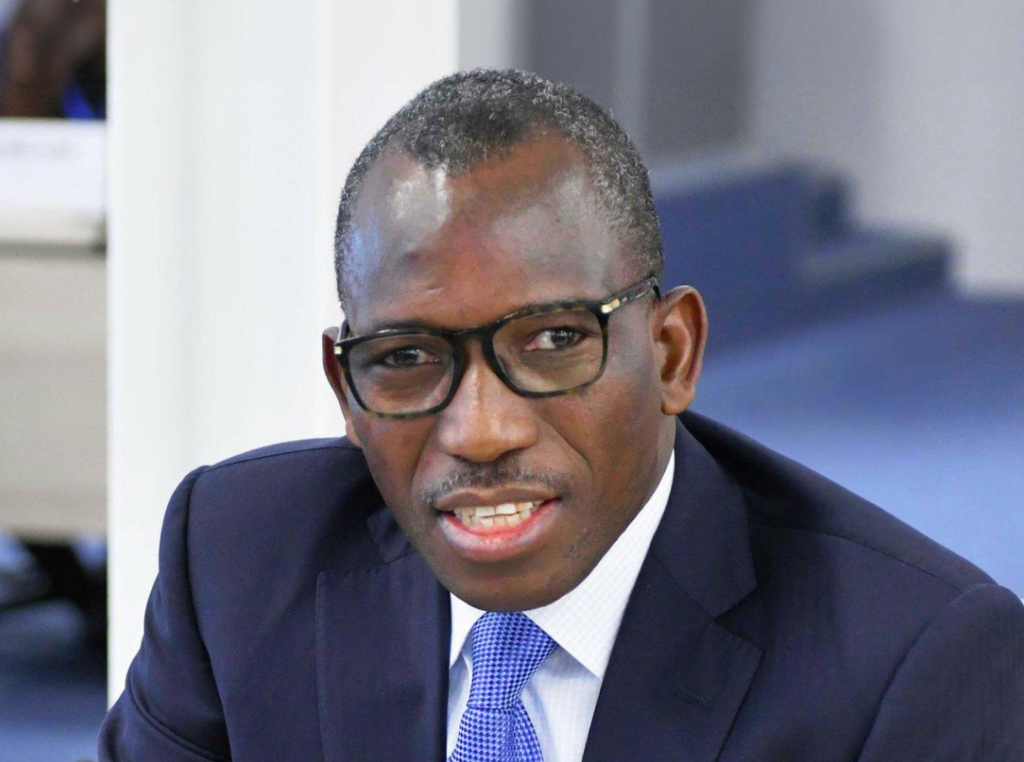
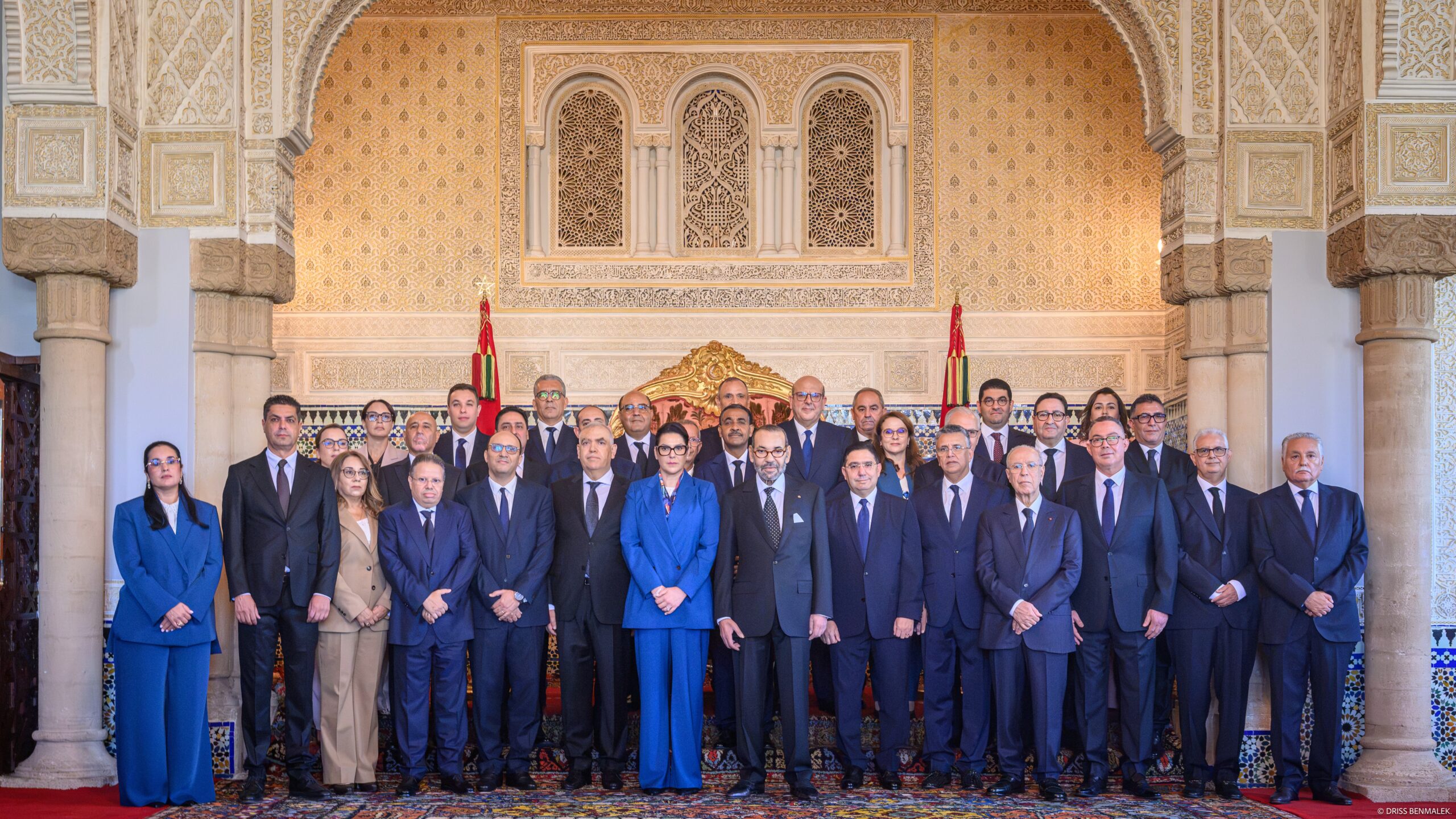
The outgoing Prime Minister went further, dismissing the legitimacy of the newly formed government led by Al Amine Lô. According to Sonko, the executive branch lacks a fundamental political foundation. “We have a government with no political grounding,” he declared, dismissing the coalition touted by the presidency as irrelevant. “The so-called coalition they keep mentioning means nothing,” he asserted, arguing that labeling the administration as a “technocratic government” is merely a cover for its political isolation. Sonko insisted that Pastef, as the leading political force with a clear electoral mandate, holds the sole legitimate claim to represent the people’s will.
a fragile presidency
The political earthquake in Dakar has left President Bassirou Diomaye Faye’s administration in a precarious position. Analysts warn that the absence of Pastef from the government represents a significant challenge for the ruling camp. With 130 out of 165 parliamentary seats, the party remains the dominant political force in the country. This power dynamic could create an unprecedented internal power struggle within the majority coalition itself.
While the Constitution grants the President full executive authority, the success of his agenda hinges on maintaining a fragile trust with the Pastef deputies. The composition of the government may be the first hurdle, but the deeper question looming over Dakar is whether the administration can survive without the active support of the largest party in parliament.
Commentators have framed the crisis as more than just a political disagreement—it is a rupture within the majority itself. Seneplus noted that President Faye appears to have abandoned the ideological roots that propelled his rise to power. Today, his administration operates in a paradoxical space: “a formally legitimate power that has lost its narrative”. Legitimate in a constitutional sense, but orphaned from the historical movement that once defined its purpose beyond mere statecraft.
Meanwhile, Ousmane Sonko remains a formidable presence in the National Assembly. With his 130 deputies, the party retains its original mandate, its voice unshaken, and its popular legitimacy unchallenged. As observers have pointed out, he is not merely an opponent—he embodies the founding narrative of the movement. Sonko stands as a guardian of the movement’s origins, ready to assert that his party was there before the presidency, and will remain long after.
what lies ahead for Senegal
According to political analysts, what is unfolding in Senegal is not a traditional cohabitation—where a president faces an opposition-controlled parliament—but something far more complex and potentially destabilizing. This is an internal rupture within the same political movement, where a head of state confronts a party that not only controls the absolute majority but also refuses to participate in the government.
The big question now is: how can a technocratic government without its own parliamentary base govern effectively when the dominant party, led by Sonko, commands a million-strong national mobilization? The answer may emerge in the coming weeks and months, through street protests, institutional debates, and behind the closed doors of the presidential palace.