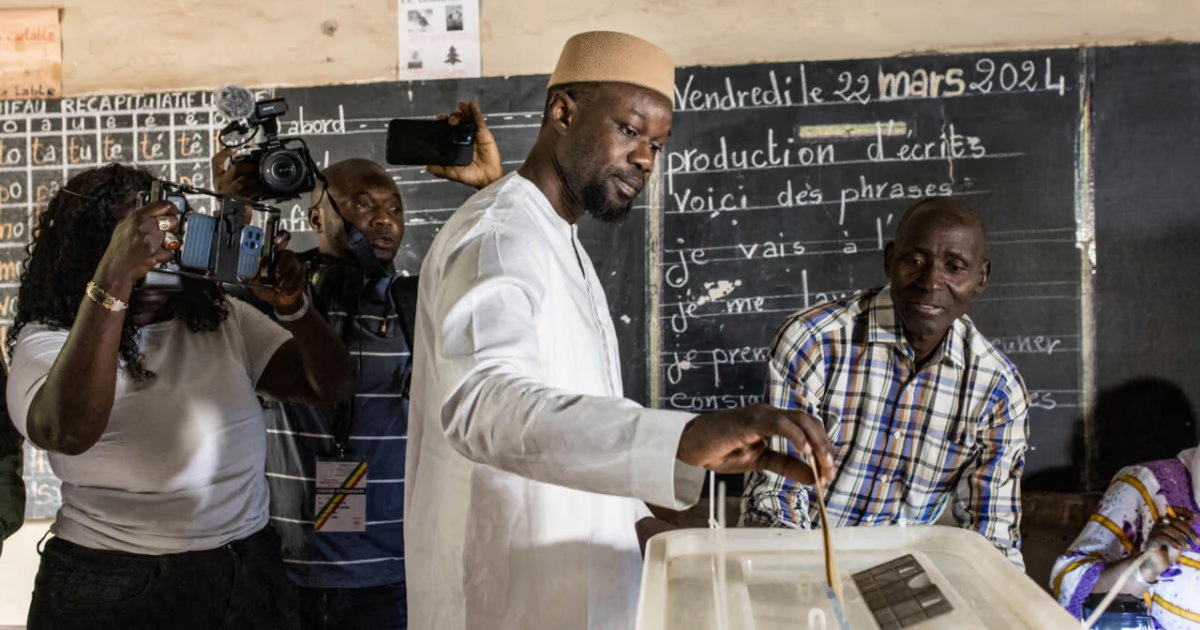
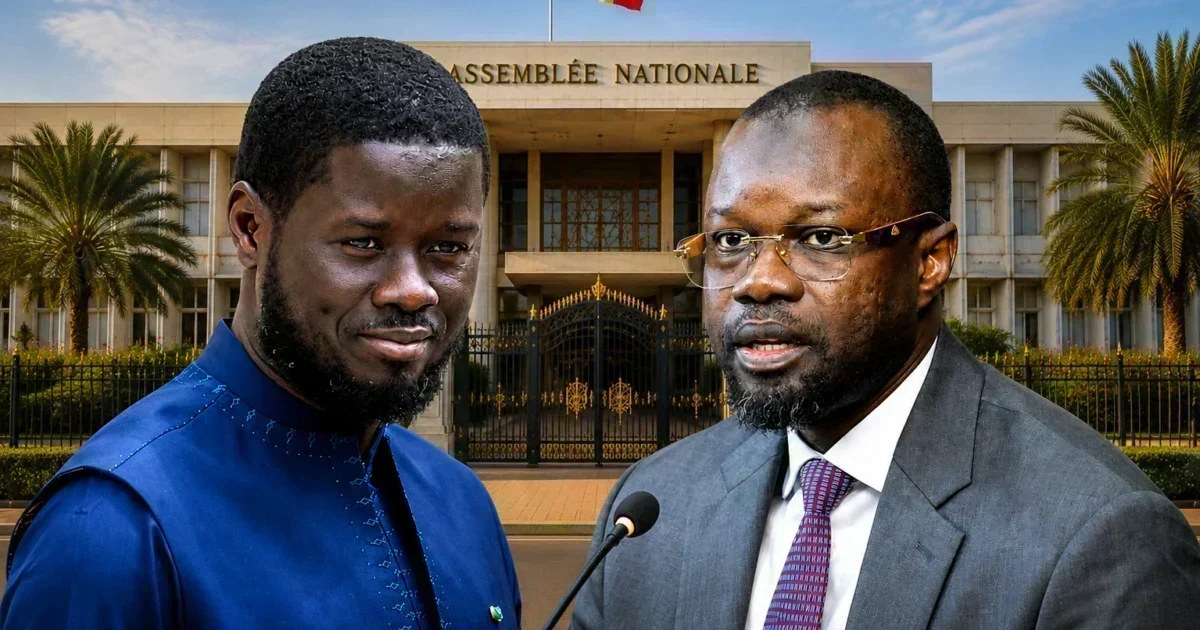
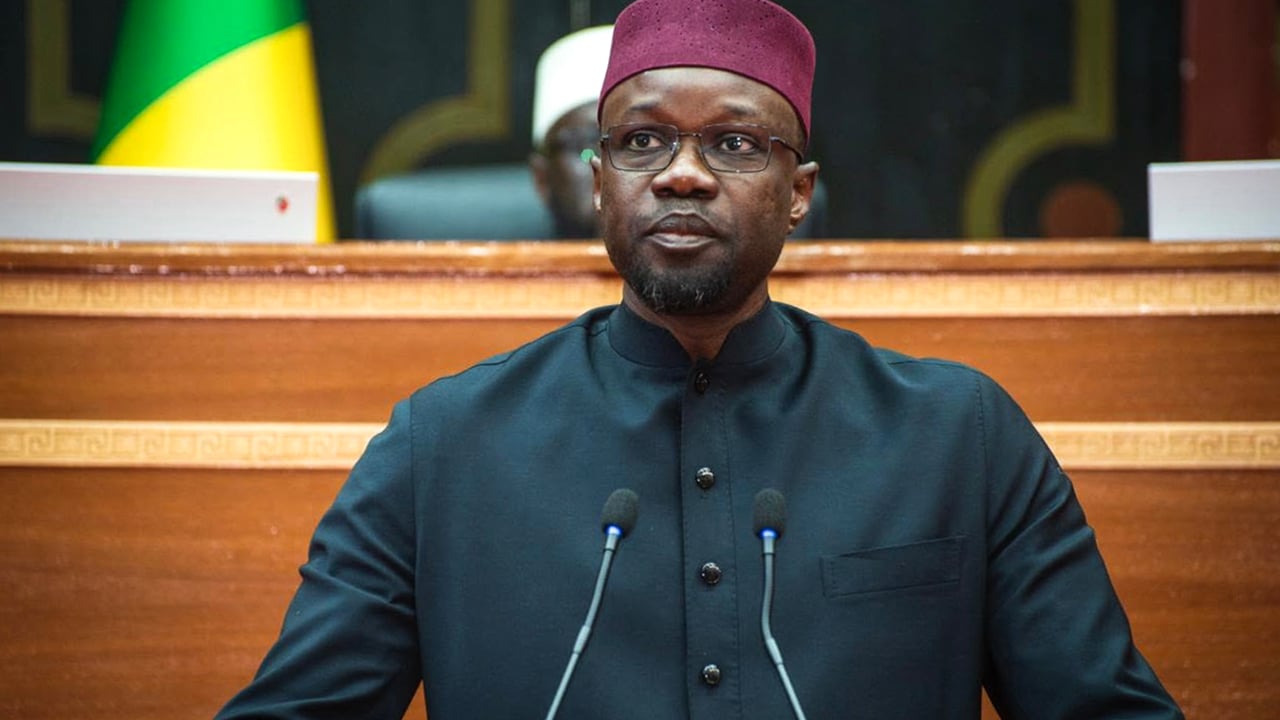
The PASTEF-Les Patriotes party has formally withdrawn from Senegal’s new government led by President Bassirou Diomaye Faye, citing disagreements over executive structure. Yet, several ministers with strong ties to Ousmane Sonko have been appointed, creating political intrigue around their alignment with the administration.
In an official statement released on June 1, 2026, PASTEF-Les Patriotes, headed by Ousmane Sonko, confirmed its non-participation in the new cabinet formed by President Faye. The party emphasized fundamental differences with the president regarding the organization of the executive branch and stated that none of its members would hold official positions in the government.
Key appointments with PASTEF connections
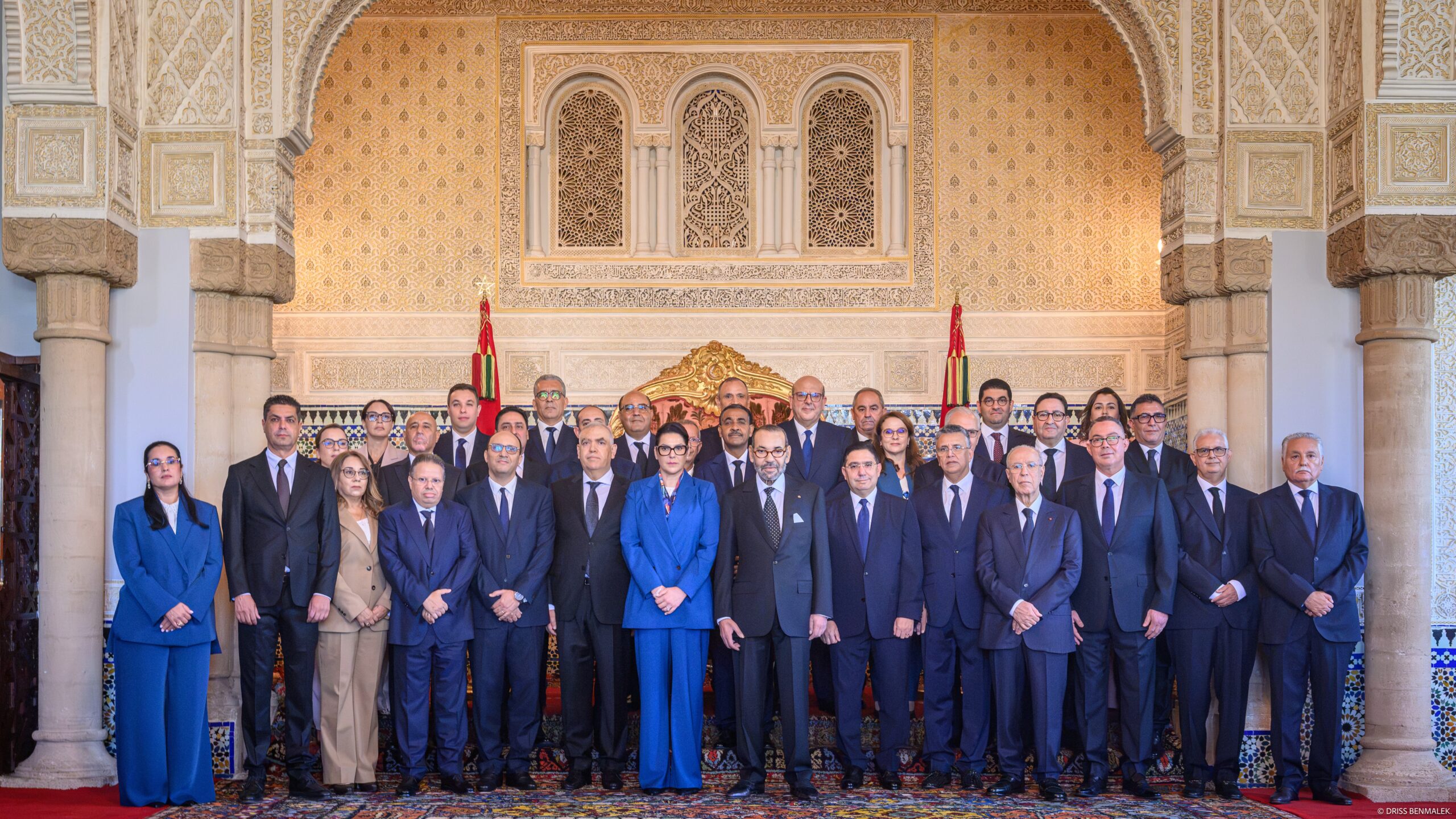
Despite the party’s withdrawal, the cabinet led by Prime Minister Ahmadou Al-Aminou Lo includes several figures whose political backgrounds are closely linked to PASTEF or its leader, Ousmane Sonko. Their inclusion has sparked debate about potential shifts in government strategy and policy direction.
Among the appointees are:
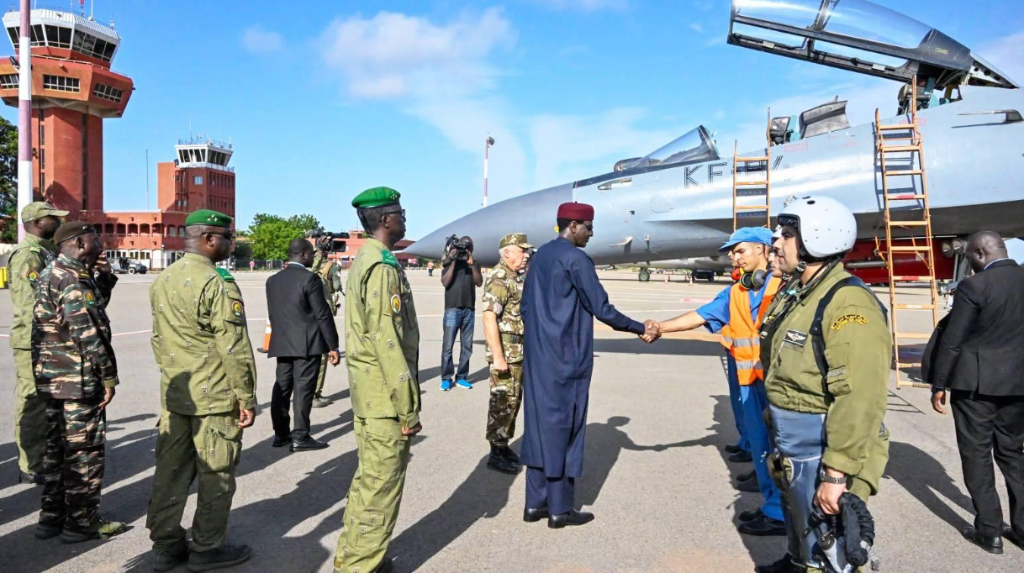
- Yankhoba Diémé, appointed Minister of Armed Forces — a role traditionally associated with national security and defense policy;
- Cheikh Tidiane Dièye, who now oversees Water and Sanitation, a critical sector in Senegal’s infrastructure and public health agenda;
- Ibrahim Sy, named Minister of Health and Public Hygiene, a position central to the government’s social welfare and pandemic preparedness efforts;
- Marie Angélique Mame Selbe Diouf, responsible for Family and Social Solidarity, reflecting the administration’s focus on inclusive social policies;
- Déthié Fall, designated Minister of Infrastructure — a key portfolio for economic development and connectivity.
These individuals are widely viewed as part of the political alliance that supported the 2024 presidential campaign of both Ousmane Sonko and Bassirou Diomaye Faye. Their appointments suggest a blend of ideological continuity and strategic governance in the new administration.
Additionally, several ministers, including Cheikh Diba, Cheikh Niang, and Boubacar Camara, are perceived as technocrats or politically independent figures. Their professional expertise and policy experience may bring a more technical approach to governance, complementing the political leadership of the ruling coalition.