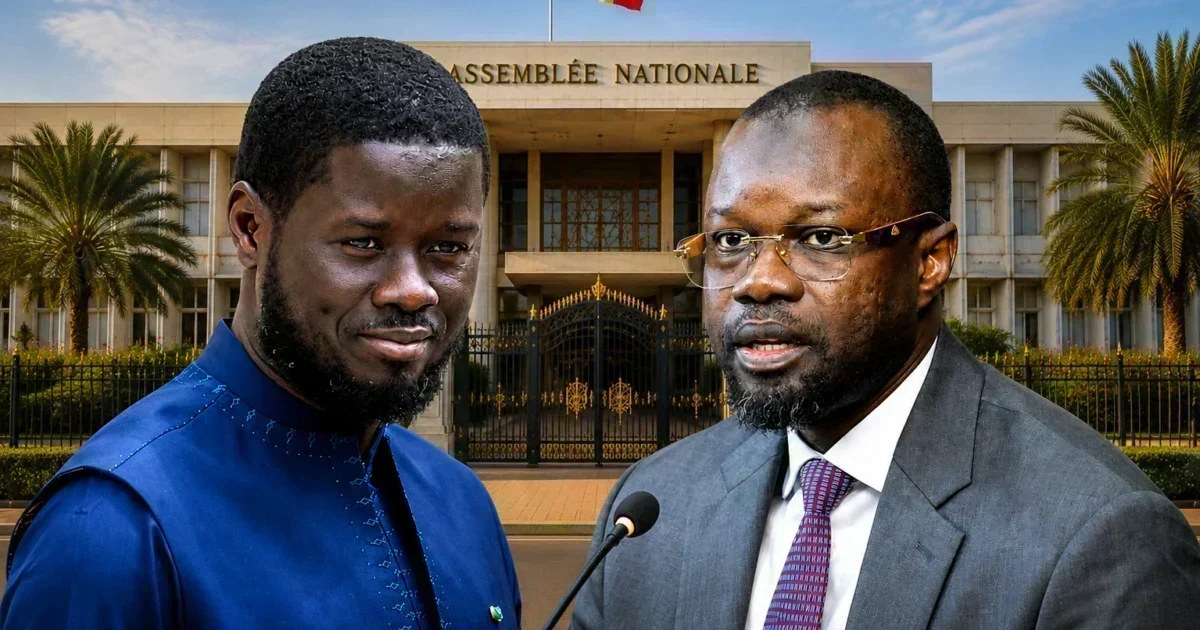
Dakar — President Bassirou Diomaye Faye has formed a new government without the participation of the Pastef, the party led by his former Prime Minister and long-time ally Ousmane Sonko, a government statement confirmed on June 1.
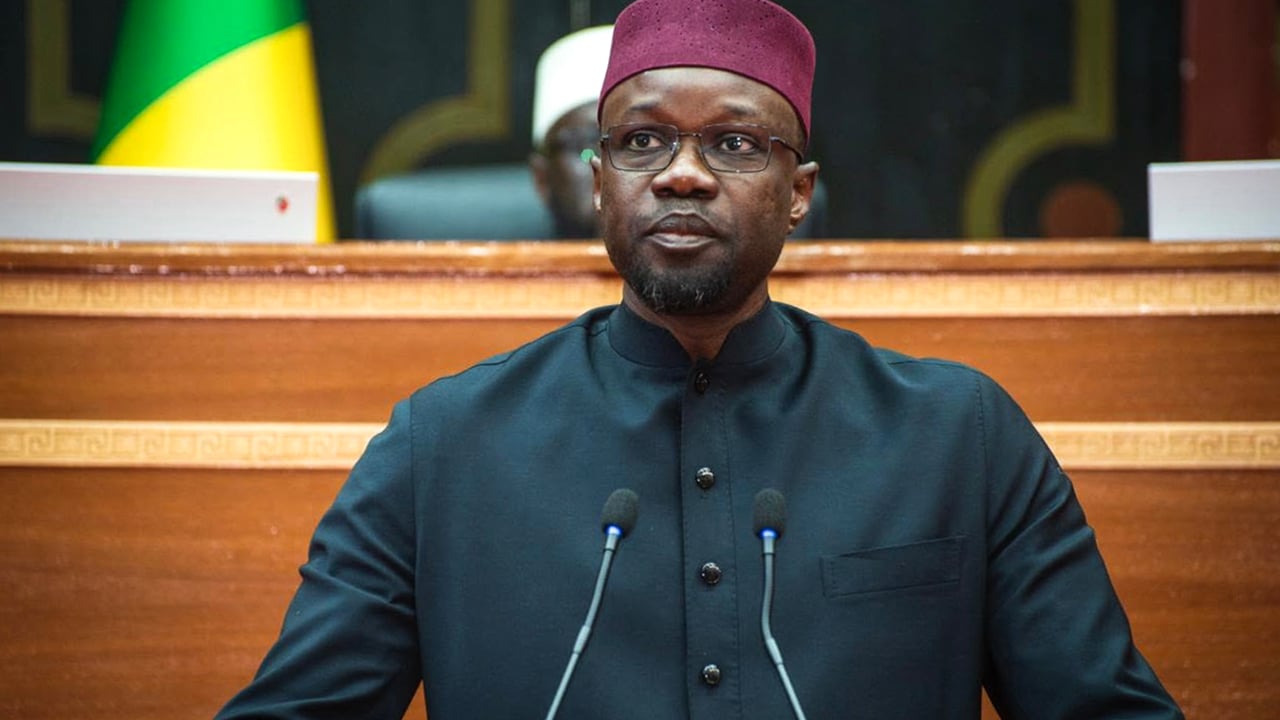
The announcement came just twelve days after President Faye dismissed Sonko, who was subsequently elected as President of the National Assembly. The move follows months of escalating tensions between the two leaders, plunging the country into a period of political uncertainty amid a deepening financial crisis.
Political fallout and constitutional disagreements
Sonko’s party, PASTEF – Les Patriotes, issued a statement explaining the decision, citing unresolved disagreements over the composition of the new government. According to the communiqué, a lengthy meeting between Sonko and the President revealed both convergences and significant divergences, particularly regarding the role of the ruling party in the executive structure.
The party stated that its proposals for government participation were met with no favorable response from the presidency. “As a result, PASTEF – Les Patriotes will not participate in the next government and will not be represented by any minister,” the statement concluded.
New cabinet lineup and leadership changes
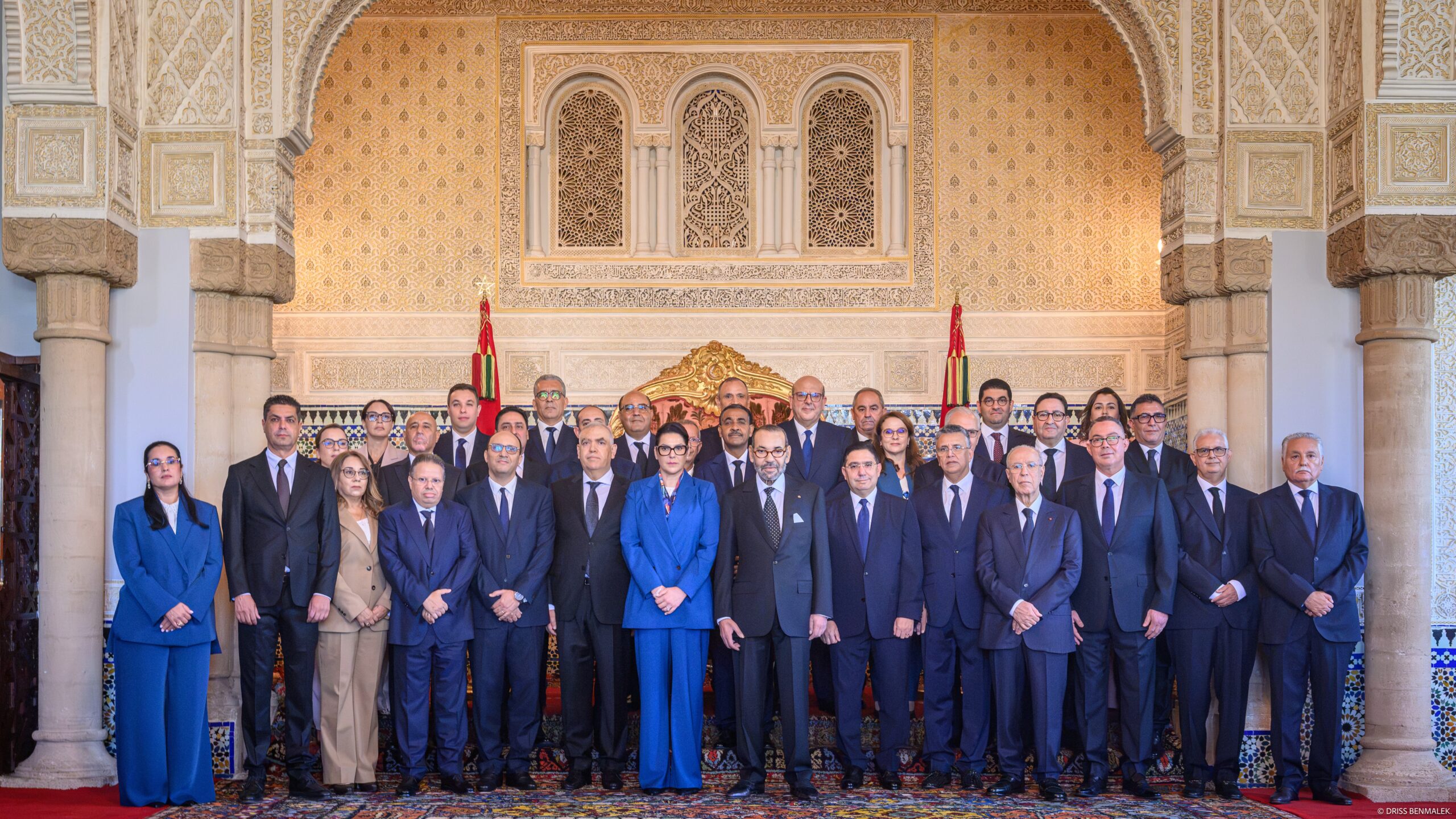
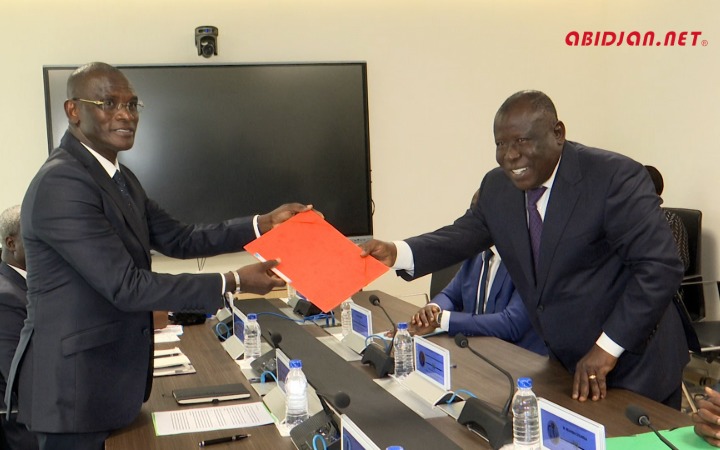
Ahmadou Al Aminou Mohamed Lô, who succeeded Sonko as Prime Minister, unveiled a 30-member cabinet list that notably excluded several key figures from the Pastef party who had served in the previous administration. The reshuffle marks a clear shift in the political landscape just months after the administration took office.
Economic pressures compound political challenges
The government formation crisis unfolds against a backdrop of severe economic strain. In 2024, the discovery of underreported public debt by the previous administration triggered a suspension of a $1.8 billion loan program by the International Monetary Fund (IMF). By the end of 2024, Senegal’s debt had surged to 132% of its GDP.
Finance Minister Ahmadou Al Aminou Mohamed Lô previously indicated that negotiations with the IMF would resume this week, with hopes of reaching a key agreement by June 30 to stabilize the country’s financial outlook.
The political and economic challenges now facing the Faye administration underscore the fragile balance between governance, fiscal responsibility, and internal party cohesion in Senegal’s evolving political landscape.