Niger’s 334 billion CFA franc tax arrears: when the state bows to economic giants
A tax burden that crushes the small and spares the mighty
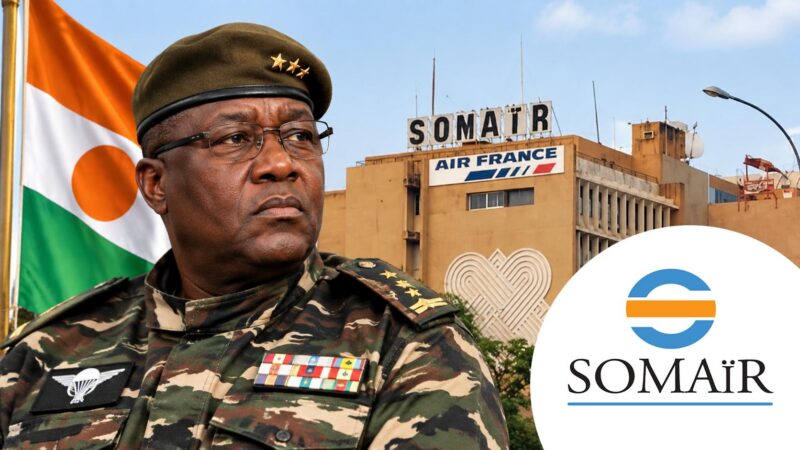
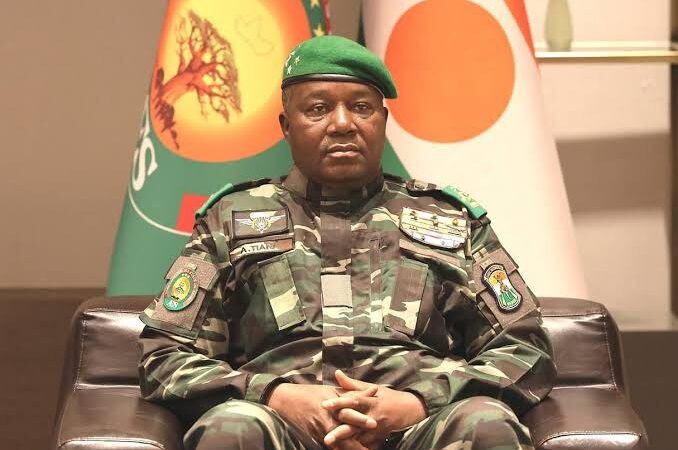
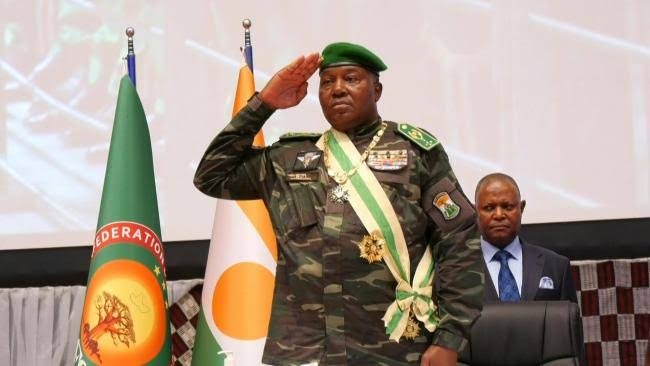
In Niger, a troubling paradox defines the tax system. While informal traders and small businesses face relentless pressure from tax authorities, the country’s largest economic players seem almost untouchable. A staggering 334 billion CFA francs in unpaid taxes has been documented by the United Nations Economic Commission for Africa (ECA) and Niger’s Ministry of Economy and Finance. This enormous backlog is not a mere administrative oversight; it exposes a deep-seated institutional reluctance to confront powerful corporate interests, particularly under the current government led by General Abdourahamane Tiani.
How big businesses enjoy a different set of rules
The inequality embedded in Niger’s tax collection is glaring. Small and medium-sized enterprises are frequently shut down without warning or hit with sudden tax adjustments over relatively modest sums. In stark contrast, large corporations benefit from an astonishingly lenient approach. This double standard reveals a fundamental failure of public enforcement when it comes to major financial players.
Telecoms: huge disputes, soft landings
Mobile phone operators, including Airtel Niger and Zamani Telecom (the successor to Orange Niger), repeatedly find themselves in tax disputes worth tens of billions of CFA francs. Audits by the Directorate General of Taxes have uncovered liabilities exceeding 30 billion CFA francs. Yet, opaque negotiations and amicable settlements almost always result in massive penalties being erased or drastically reduced, leaving the public treasury shortchanged.
Mining and extractives: a legacy of lost revenue
For decades, uranium extraction by Sopamin and subsidiaries of Orano (formerly Areva) operated under excessive tax exemptions. Justified in the name of protecting strategic investments, these breaks resulted in an abyssal loss of fiscal income for the nation.
Construction and import-export: unpaid bills, no consequences
Major construction firms and import-export conglomerates that win public contracts continue to carry tens of billions of CFA francs in uncleared tax debts. Despite this, no seizure orders or suspensions of state contracts have been seriously enforced, allowing these companies to operate with impunity.
A crisis of authority disguised as political rhetoric
Recovering even a portion of these arrears could immediately inject between 134 and 168 billion CFA francs into state coffers—equivalent to 0.4 to 0.6 percentage points of GDP. The inability to collect these sums signals a profound failure of public authority. Niger’s government refuses to apply tax law to the economic powers that defy it. As long as this two-tier system persists, any talk of sovereignty or fiscal citizenship will remain a hollow sham, designed only to conceal the plundering of public finances by an economic oligarchy.