Nearly 40 000 displaced in Mali as fighting escalates in North and Centre
Mali: nearly 40 000 displaced as renewed clashes drive mass exodus
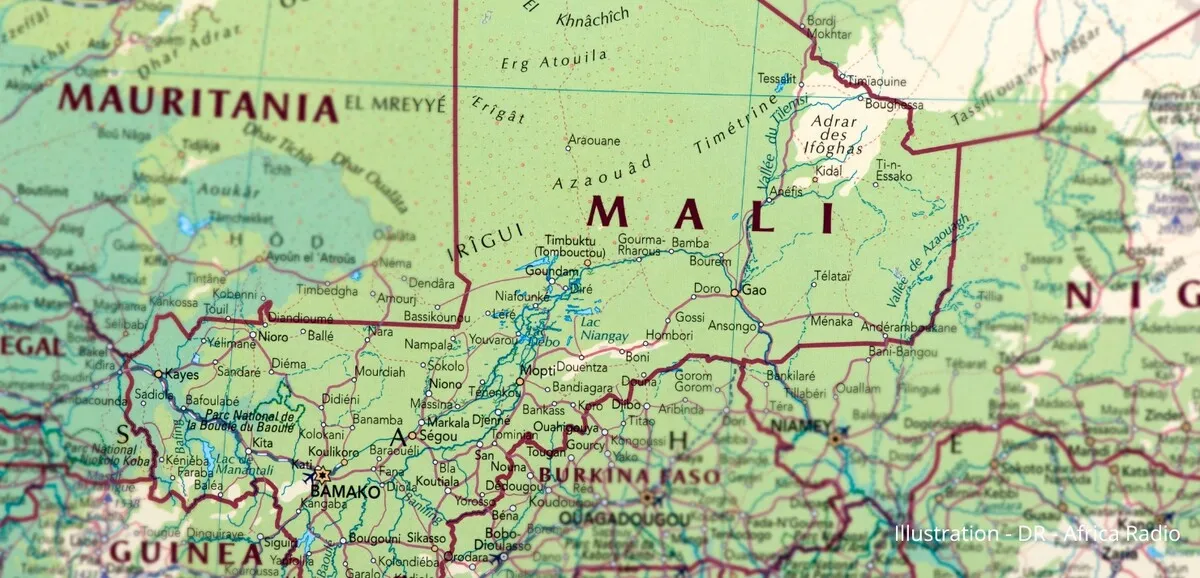
Since late April, intensified fighting and airstrikes in Mali have forced tens of thousands to abandon their homes. The cities of Gao and Ménaka are now sheltering many of these displaced families.
Escalation of violence pushes displacement crisis to new highs
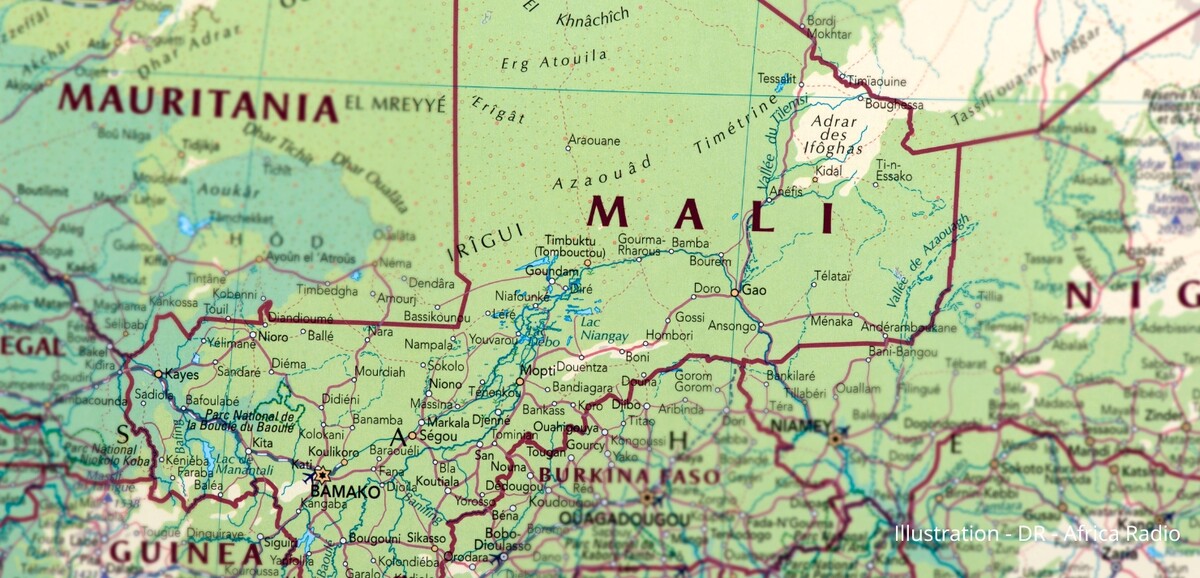
Renewed clashes have triggered a fresh wave of displacement, with nearly 40 000 Malians fleeing their villages. Humanitarian and security sources report that since late April, more than 15 000 people have sought refuge in Gao and Ménaka alone. Local officials in Gao estimate that over 7 000 of these newcomers arrived in just three months.
Kidal becomes central battleground amid militant advances
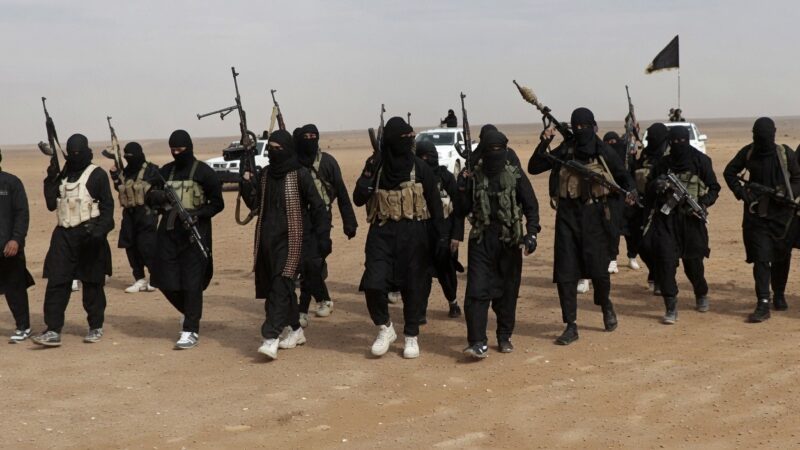
A coalition of Islamist militants from the Group for the Support of Islam and Muslims (JNIM) and separatist fighters from the Azawad Liberation Front (FLA) has launched a major offensive in northern Mali. The strategic town of Kidal, a long-contested area, has fallen under their control, triggering further clashes around Anéfis and other key locations. For villagers caught in the crossfire, these renewed attacks mean repeated displacements, loss of livelihoods, and increasingly limited access to essential services.
Airstrikes intensify as humanitarian needs surge
Military air operations have intensified in the Kidal region, particularly around Tinzawatene, where recent strikes reportedly damaged medical facilities and forced additional families to flee. While independent verification remains challenging in active conflict zones, the surge in arrivals at displacement sites confirms the growing urgency. Gao and Ménaka now face mounting pressure as they struggle to accommodate the influx of people with already strained resources.
Humanitarian challenges mount as crisis deepens
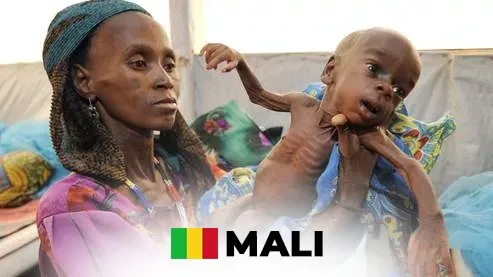
The new wave of displacement adds to Mali’s already severe humanitarian crisis. Official figures put the number of internally displaced persons at over 400 000, though aid workers warn the real number may be far higher. Displaced families arriving from Kidal require immediate shelter, food, clean water, medical care, and protection for children. With local infrastructure overwhelmed, the situation risks spiralling further out of control.
Decade-long conflict leaves no end in sight
Mali has grappled with a deepening security crisis since 2012, as jihadist factions linked to Al-Qaeda and the Islamic State, alongside armed community groups and separatists, have expanded their influence. Despite two military coups in 2020 and 2021, transitional authorities have prioritised regaining territorial control and restoring stability. Yet the recent resurgence of violence underscores the persistent challenges in achieving lasting peace.
For communities in northern Mali, the question is no longer if they will be forced to leave, but when. The latest surge in displacement highlights the urgent need for coordinated humanitarian and security responses to prevent further suffering.