Minors from Morocco stranded in ceuta: challenges of repatriation amid legal constraints
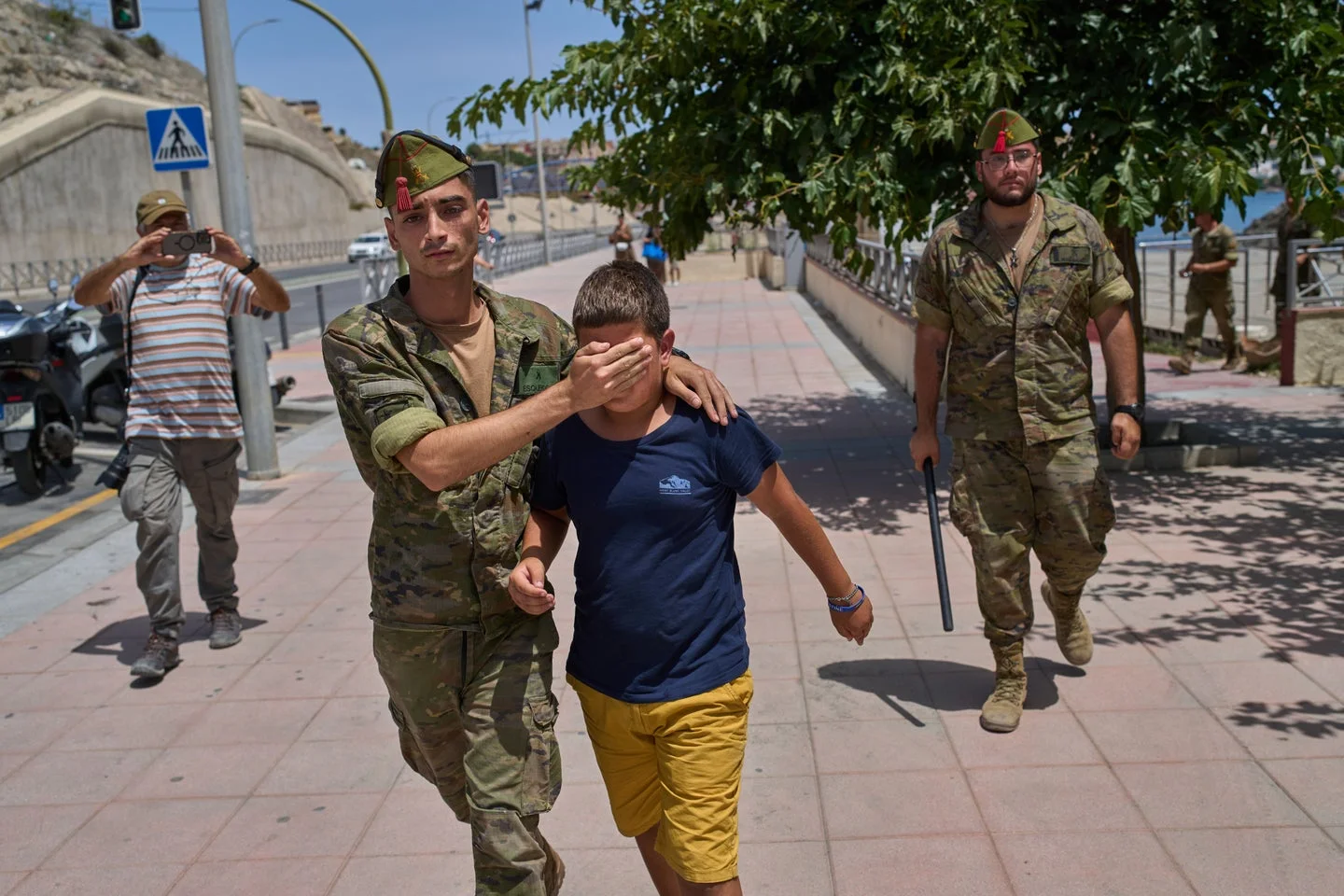
The Moroccan Minister of Justice, Abdellatif Ouahbi, has urged the repatriation of Moroccan minors currently in Spain, including those stranded in Ceuta following the latest migration surge. This directive aligns with royal instructions issued to relevant ministries to streamline the identification and return process of these young individuals.
However, the exact number of minors involved remains unclear. Spanish authorities reported 1,527 unaccompanied minors in Ceuta after the crisis, according to data shared on August 12. Notably, this figure includes some individuals who were already present in the enclave before the recent migration wave.
An existing bilateral agreement between Morocco and Spain
A common misconception suggests that returning Moroccan minors is prohibited under Spanish law. In reality, Rabat and Madrid formalized a 2007 agreement to prevent irregular migration of unaccompanied minors, ensuring their protection and concerted returns. The agreement outlines cooperation between the two nations to locate the minors’ families and facilitate their return to Morocco, provided all legal conditions are met.
Yet, this framework does not permit group or automatic repatriations. Spanish law mandates an individual assessment for each minor to determine if their return aligns with their best interests. Authorities must gather family background details, consult Moroccan counterparts, and allow the child to express their own views. The public prosecutor’s office also plays a role in this process.
These stringent requirements explain why minors could not be swiftly repatriated alongside adults during the initial border closures. Their irregular entry into Spain does not negate their status as minors under the protection of Spanish authorities.
The 2021 precedent complicates current repatriation efforts
The cautious approach stems from the 2021 Ceuta crisis, when hundreds of minors were repatriated to Morocco in an organized operation. However, the Spanish judiciary later ruled these returns unlawful in January 2024, citing violations of legal safeguards—particularly the lack of individual case evaluations.
This precedent now acts as a significant barrier to any collective repatriation plans. While Morocco demands the return of its nationals and Spain aims to ease Ceuta’s overcrowding, Spanish authorities must ensure each repatriation complies with national and international laws.
Alternative solutions: dispersing minors across Spain
In the interim, Spain is addressing the immediate challenge of Ceuta’s overcapacity by transferring some unaccompanied minors to other autonomous communities. This measure complements, rather than replaces, potential repatriation talks, as the two processes operate independently.
The issue has sparked political debates in Spain. While the central government advocates for regional distribution to alleviate pressure on Ceuta, opposition parties, including the People’s Party, insist on prioritizing repatriation to Morocco. Juan José Imbroda, President of Melilla, has also urged adherence to the 2007 agreement with Rabat.
The current impasse reflects not a refusal by Spain to return the minors but rather a legally binding process. Morocco has expressed readiness to accept the minors, but Spain must conduct individual assessments to determine suitability for repatriation. The coming weeks will test whether bilateral cooperation can expedite family identifications and meet the necessary conditions for returns. The 2021 judicial ruling serves as a stark reminder that hastily executed group repatriations risk further legal challenges.