- Political developments
- Security brief
Mali faces heightened jihadist threats during Eid celebrations
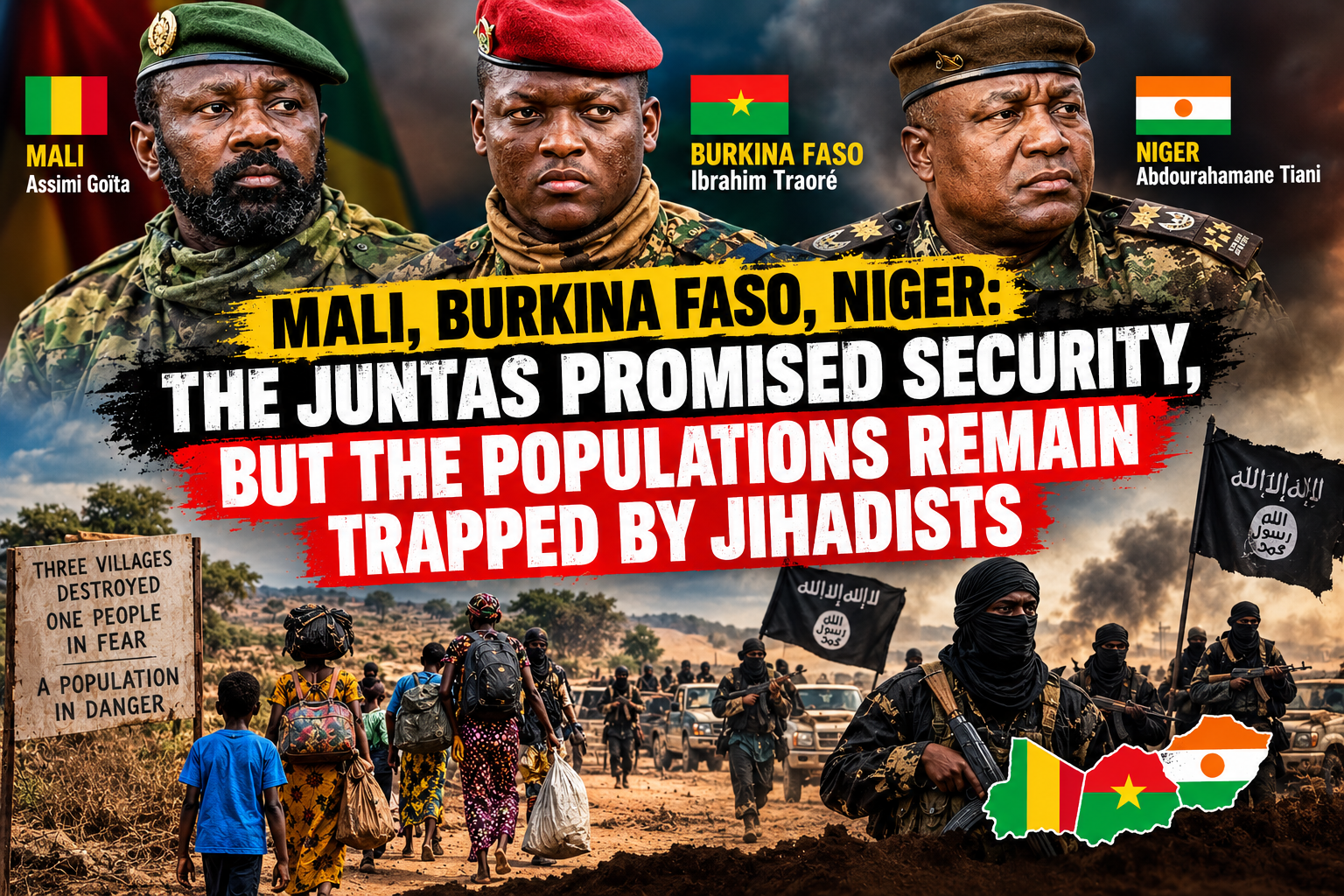
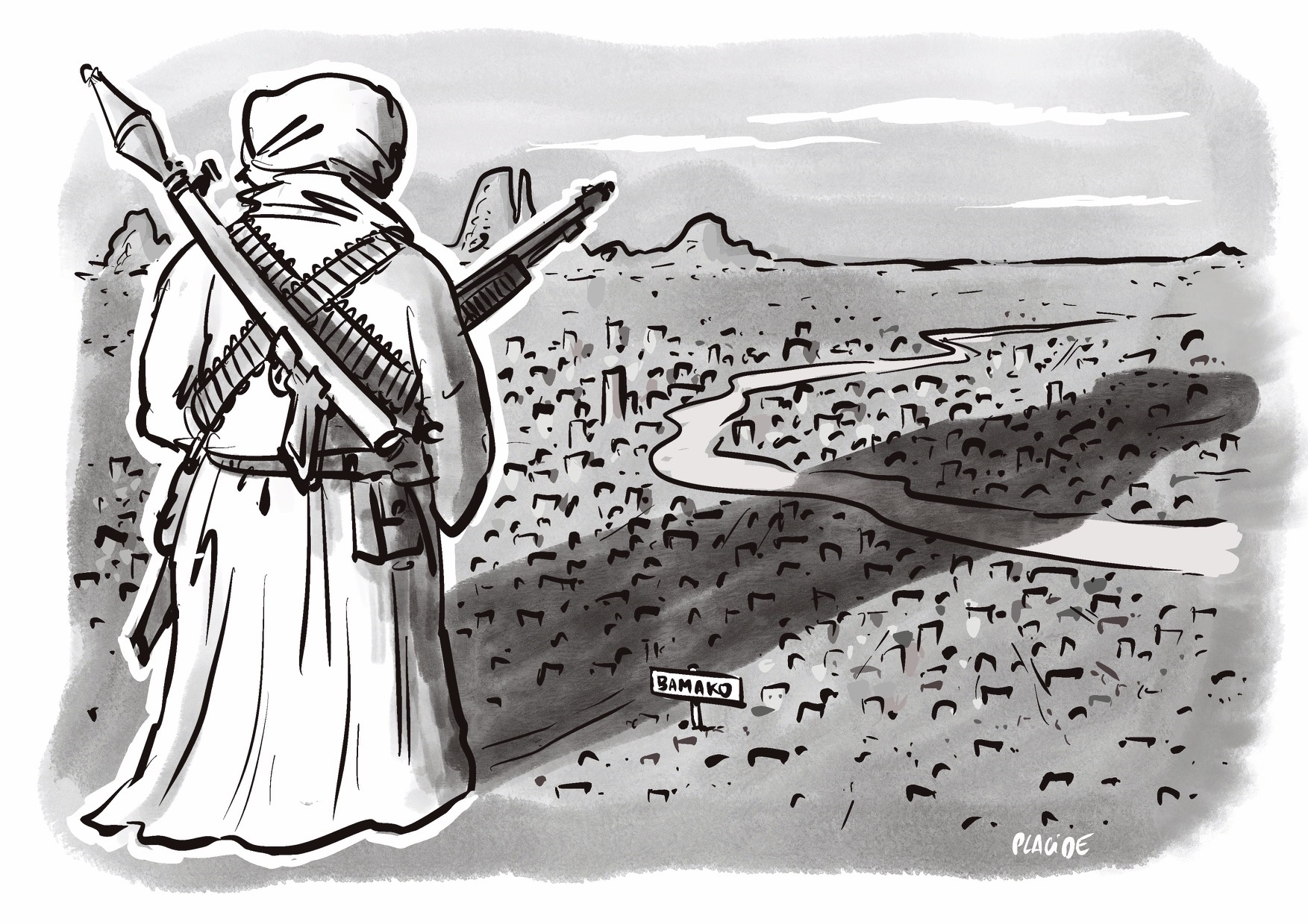
Eid celebrations in Mali unfolded on Wednesday evening under unprecedented security challenges. Just days after the April 25 complex attack that shook the military regime to its core—claiming the life of Defense Minister Sadio Camara—the Group for the Support of Islam and Muslims (GSIM) issued fresh threats of a major assault on Bamako, aiming to destabilize the ruling junta.
Jihadist groups have a history of exploiting religious holidays to launch attacks, believing such timing garners divine favor. This year’s Eid festivities, known locally as Tabaski, were marked by heightened risks across the country. Rural communities, already grappling with armed group pressure, faced severe obstacles in securing livestock, with armed factions imposing taxes on cattle or outright seizing herds for resale. In urban centers like Bamako, a self-imposed boycott disrupted normal trade flows, though security forces worked to keep key routes operational.
Price surges were not limited to Mali. Neighboring Niger, facing relentless attacks in western regions—traditional cattle-rearing zones—also witnessed soaring meat prices. The Group for the Support of Islam and Muslims and the Islamic State in the Sahel have intensified operations in recent days, targeting both military and civilian positions. Their tactics exploit gaps created by Nigerien military redeployments to northern fronts, particularly in efforts to reclaim Kidal.