Legal implications behind Ousmane Sonko’s constitutional court ruling
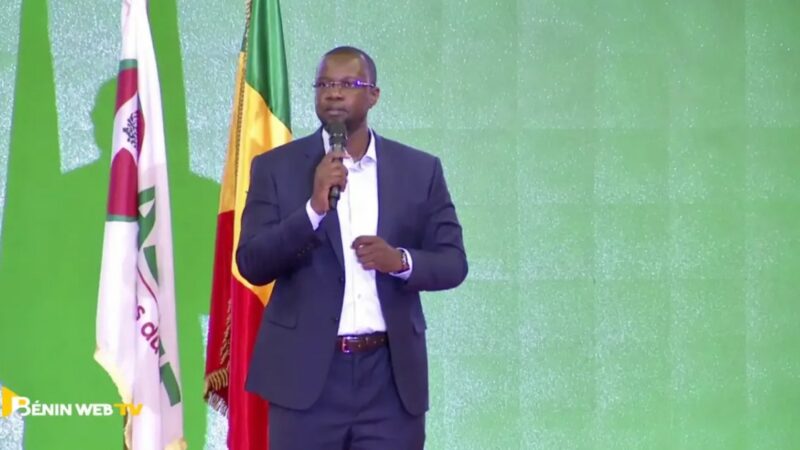
On June 17, 2026, Senegal’s Constitutional Council delivered a verdict that has ignited intense debate across the nation’s legal landscape. The decision to reinstate Ousmane Sonko as a member of the National Assembly has raised more questions than answers, particularly regarding its implications for constitutional jurisprudence in the country.
Legal interpretations spark controversy
The ruling, framed as a procedural matter based on the judge’s lack of jurisdiction, has drawn sharp criticism from constitutional law experts. While authorities present the verdict as a straightforward application of legal technicalities, observers suggest a subtler shift in the court’s approach. The decision contrasts sharply with a prior ruling in February 2024, when the same body took a more assertive stance in safeguarding institutional stability.
Institutional coherence under scrutiny
Analysts highlight a paradox in the court’s evolving role. In earlier cases, the Constitutional Council positioned itself as a guardian of democratic institutions, intervening decisively in crises. The recent verdict, however, appears to narrow its focus to the strict interpretation of procedural rules, raising concerns about inconsistency in its jurisprudence.
Critics argue that this shift could undermine public trust in the judiciary, particularly when high-profile political figures are involved. The decision’s opaque reasoning has left many questioning whether institutional priorities have overshadowed constitutional principles.
Political fallout and public perception
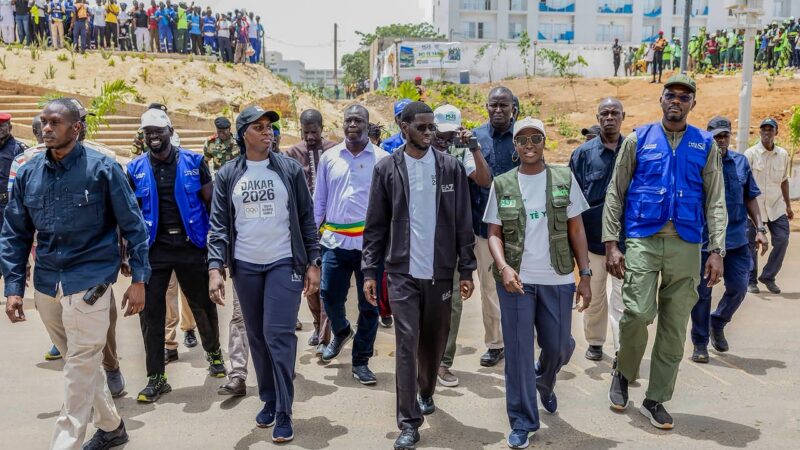
The ruling has intensified political tensions, with reactions pouring in from across Senegal’s spectrum. Supporters of Ousmane Sonko view the decision as a victory for justice, while opponents question the timing and motives behind the reinstatement. The controversy underscores deeper divisions in Senegal’s legal and political spheres, where constitutional interpretations often reflect broader societal debates.
As the dust settles, legal scholars and citizens alike await further clarification on the council’s evolving doctrine. The case of Ousmane Sonko may well become a landmark in Senegal’s constitutional history, shaping the judiciary’s role for years to come.