Kidal remains under siege: a firsthand look at the rebel stronghold in northern Mali

Inside Kidal: The Unyielding Grip of Rebellion in Northern Mali
Northern Mali’s Kidal region remains a battleground, where the echoes of conflict reverberate through its streets. The city, often described as a rebel bastion, continues to defy central authority despite repeated military offensives. The landscape here is one of resilience, where local factions and armed groups navigate a fragile coexistence under the watchful eye of international observers.
A City Frozen in Time
Kidal stands as a symbol of defiance, its infrastructure bearing the scars of prolonged instability. The streets, once bustling with activity, now reflect a community adapting to the harsh realities of war. Residents move cautiously, their daily lives dictated by the ever-present threat of violence. The city’s strategic importance has turned it into a flashpoint, drawing the attention of both regional and global players.
The Faces of Rebellion
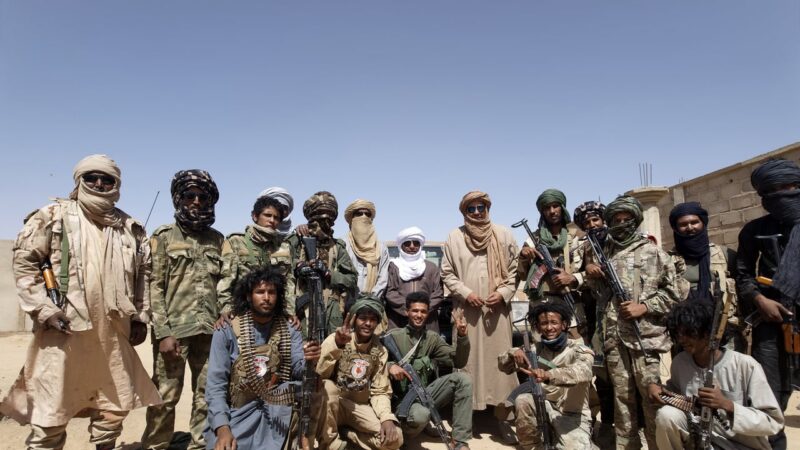
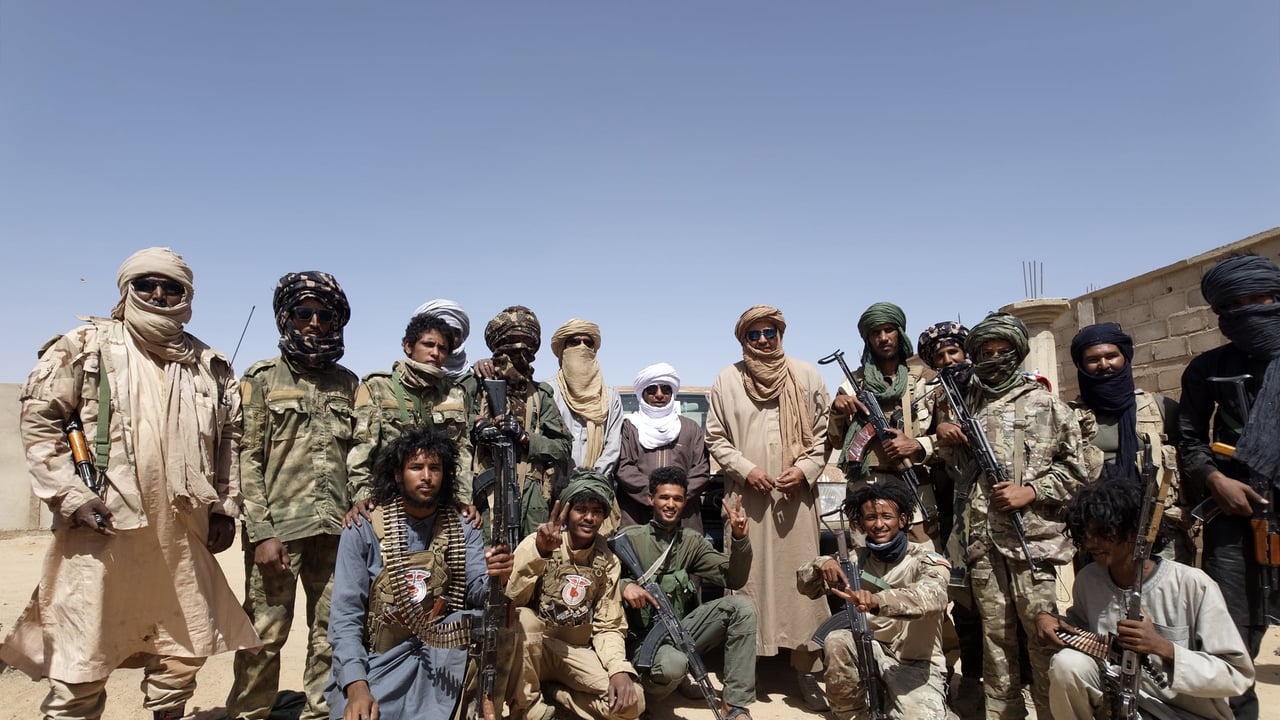
The leadership of the Azawad Liberation Front (FLA), led by Alghabass Ag Intalla, has become synonymous with Kidal’s resistance. Ag Intalla, a prominent figure in the region’s political landscape, has positioned himself as a key player in the ongoing standoff. His presence, alongside armed factions, underscores the complex power dynamics at play. The FLA’s influence extends beyond military posturing, shaping the political narrative in northern Mali.
The Humanitarian Toll
The prolonged conflict has left an indelible mark on Kidal’s civilian population. Displacement, food shortages, and limited access to essential services have pushed communities to the brink. Humanitarian organizations struggle to provide relief amid the volatile security environment, leaving many to fend for themselves. The crisis here is not just a military one—it is a humanitarian emergency that demands urgent attention.
International Stakes and Regional Responses
The situation in Kidal has drawn international concern, with regional blocs and global powers weighing in on the crisis. Efforts to broker peace have yielded mixed results, as distrust between factions runs deep. Mali’s transitional government faces the daunting task of restoring order, but progress remains elusive. The international community’s role continues to evolve, with calls for a unified approach to address the root causes of instability.
The road ahead for Kidal is fraught with challenges. As the city remains mired in conflict, the people of northern Mali endure a cycle of violence and uncertainty. The question lingers: Will Kidal ever know peace, or is it destined to remain a symbol of rebellion?