Guinea-Bissau: Embaló’s second-term bid sets stage for decisive political showdown
A breakthrough moment as Embaló ends speculation
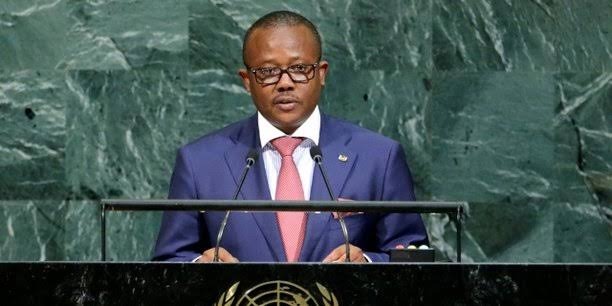
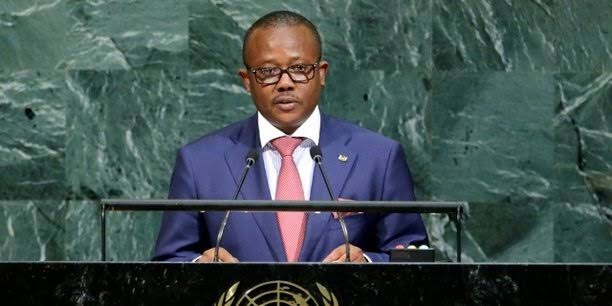
Bissau woke to a decisive shift in its political landscape as President Umaro Sissoco Embaló formally declared his candidacy for a second term. After months of ambiguity and repeated hints that he might step aside, the head of state has finally yielded to calls from his supporters and coalition leaders, ending the guessing game that had gripped the nation.
The announcement marks a turning point, placing Embaló squarely at the heart of a political contest that will define Guinea-Bissau’s trajectory for years to come.
A presidency of reforms and recurring turmoil
Since his contested election in late 2019 and his inauguration in early 2020, Embaló has pursued an agenda focused on elevating Guinea-Bissau’s diplomatic standing and upgrading its infrastructure. His tenure included a stint as chairman of the ECOWAS Authority of Heads of State and Government, which brought renewed international attention to Bissau.
Yet his time in office has also been punctuated by persistent instability:
- Repeated dissolution of parliament: Embaló dissolved the National People’s Assembly twice—once in 2022 and again in late 2023—citing destabilization attempts and institutional deadlock.
- Clashes with the opposition: The PAIGC-led opposition coalition has consistently accused the government of authoritarian drift and curtailing public freedoms.
- Regime security concerns: The authorities have confronted several episodes of military tension and alleged coup attempts in the capital.
A vote under intense scrutiny
By making his candidacy official, Embaló has fired the starting gun on the electoral battle. The critical challenge in the months ahead will be the practical organization of the vote and the extent to which opposition forces choose to participate.
Regional observers and international partners are keeping a close watch, emphasizing the need for an inclusive, transparent, and peaceful electoral process to safeguard the still-fragile stability of this West African nation.