Ebomaf’s 700 billion cfa franc public contracts in Gabon spark scrutiny
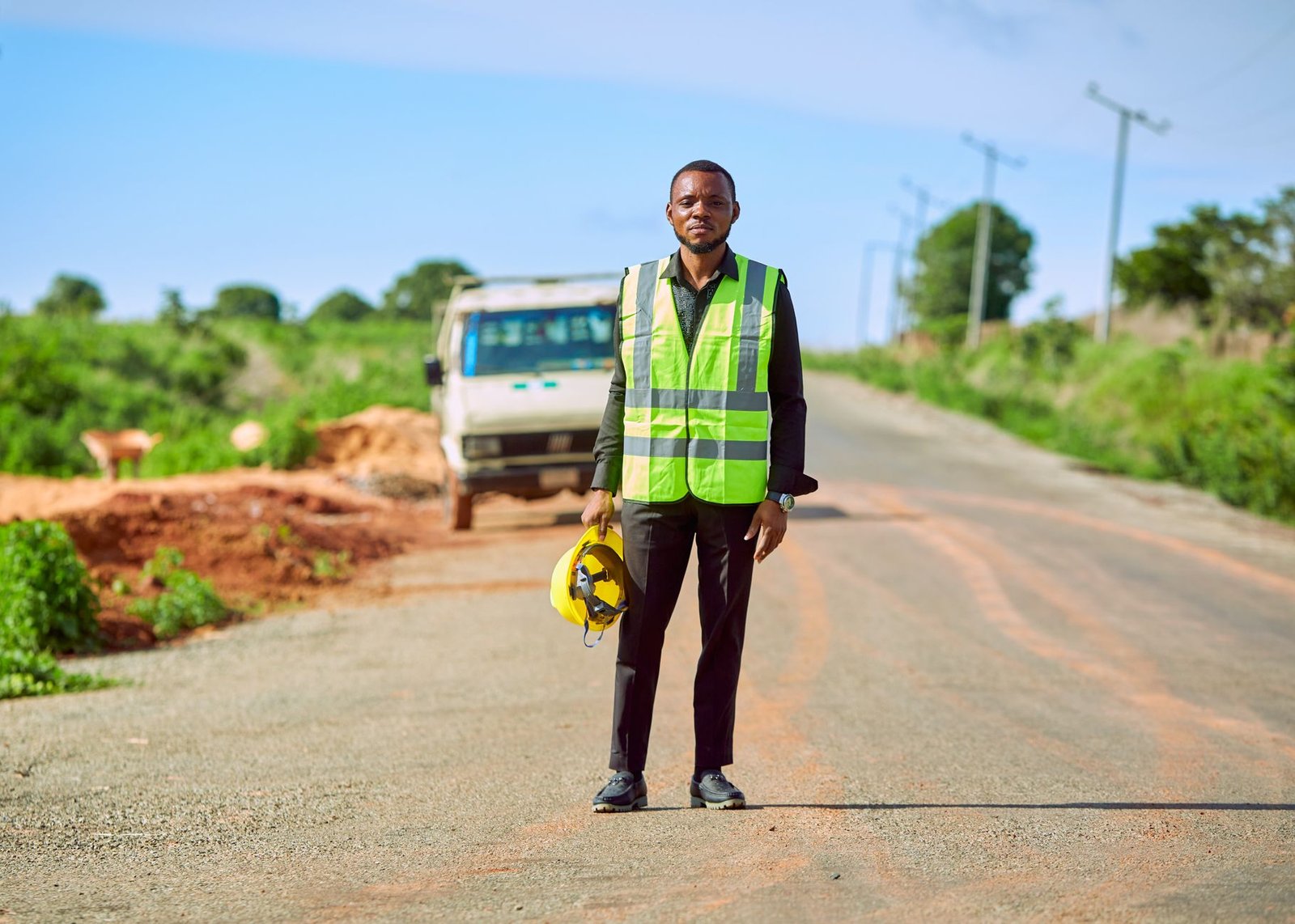
Since the transition period began in August 2023, the Burkinabè construction giant Ebomaf has rapidly ascended to the top of Gabon’s public procurement rankings. In less than three years, the company founded by businessman Mahamadou Bonkoungou has secured contracts worth over 700 billion CFA francs in Gabon—an unprecedented volume for a single foreign operator in the country. The firm’s portfolio now spans critical infrastructure projects, including the Andem airport, Libreville 2 administrative capital, and major road networks, all spearheaded under transitional president Brice Clotaire Oligui Nguema’s infrastructure drive.
Dominance in Gabon’s public contracting raises questions
The sheer scale and pace of Ebomaf’s contract acquisitions have drawn attention. Virtually every presidential announcement regarding infrastructure development now centers on the same contractor, with little public disclosure on competitive bidding processes. The projects entrusted to Ebomaf include hundreds of kilometers of roadworks, airport facilities, and a large-scale urban development aimed at easing Libreville’s congestion.
This concentration of contracts in a single operator’s hands introduces significant risks, particularly regarding financial sovereignty. When one company handles the design, execution, and even pre-financing of multiple projects, the state’s negotiating power diminishes. Gabon, already grappling with declining oil revenues and elevated external debt under international scrutiny, faces heightened fiscal vulnerability.
Budget transparency concerns overshadow contracts
Despite Ebomaf’s claim of securing over 700 billion CFA francs in contracts, Gabonese authorities—including the Ministry of Public Works, Ministry of Public Accounts, and the Court of Auditors—have yet to release a consolidated public breakdown of these commitments. The absence of a unified financial dashboard obscures key details: payment flows, direct disbursements from state coffers, bank pre-financing mechanisms, and potential sovereign guarantees.
This lack of clarity fuels concerns over financial governance. Who approves payment schedules? Which financial institutions manage the funds? What guarantees secure the pre-financing arrangements? These questions, central to transparency standards set by institutions like the International Monetary Fund and African Development Bank, demand regular public disclosure of contractual obligations and disbursements. The contrast between the government’s visible inauguration ceremonies and its silent accounting practices only deepens skepticism.
Pre-financing model under scrutiny
Ebomaf has built its regional reputation on an integrated model combining technical execution with bank-backed pre-financing, often backed by West African financial institutions. While this approach allows cash-strapped governments to initiate projects without immediate fiscal strain, it shifts repayment burdens to future budgets, with costs heavily dependent on negotiated financial terms.
The model has enabled Ebomaf’s expansion in countries like Burkina Faso, Côte d’Ivoire, Togo, and Senegal—but not without controversy. Critics frequently question interest rates, potential cost overruns, and the quality of delivered infrastructure. In Gabon, where the political transition adds complexity, a thorough review of financial clauses and oversight mechanisms is essential.
For Gabon’s financial partners, the stakes extend beyond project execution. The credibility of the transitional government’s fiscal trajectory and the sustainability of its debt service post-elections are at risk. Publishing a consolidated report on Ebomaf-related commitments would signal a commitment to transparency, especially as multilateral lenders reassess their exposure to Gabon’s sovereign risk.
Beyond fiscal implications, Ebomaf’s stranglehold on major projects raises concerns for Gabon’s local construction sector. Domestic firms, often relegated to subcontracting roles, struggle to scale up due to limited access to high-value contracts. The question of who audits Ebomaf’s financial records in Gabon remains unanswered.