Chad’s Klessoum moment: 150 inmates walk free as a collective sentence remission shifts the tide
A decisive morning behind the walls of Klessoum
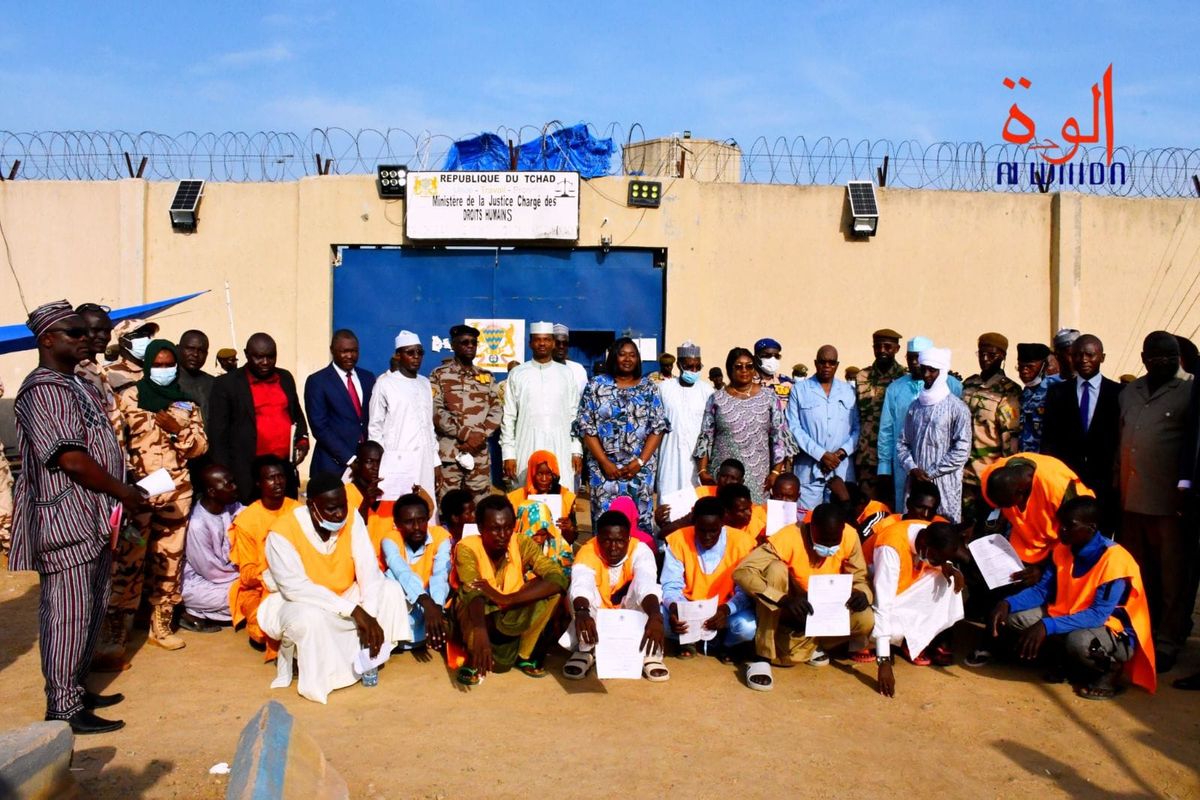
For 150 people held at the Klessoum remand and correction facility in N’Djamena, the waiting ended in a single morning. On Wednesday 16 September 2026, a collective remission of sentences granted by decree was executed on the spot, turning a legal text into a deeply human turning point: the gates opened, and 150 citizens walked out as free men.
The ceremony was presided over by the Minister of Justice, Keeper of the Seals, in charge of human rights, Ndolenodji Alixe Naïmbaye, who came to the prison itself to oversee the official handover of release certificates under Decree No. 2151/PR/2026.
Who attended the official handover
The event unfolded inside the facility, in the presence of the capital’s leading judicial and security figures:
- The Public Prosecutor and the President of the N’Djamena High Court;
- The Attorney General at the N’Djamena Court of Appeal;
- The Secretary General of the Ministry of Justice;
- Senior officers of the defence and security forces;
- Representatives of civil society organisations.
What Decree No. 2151/PR/2026 sets in motion
Signed on 14 August 2026 by Marshal Mahamat Idriss Deby Itno, President of the Republic and Head of State, the text applies a legal scale that trims custodial sentences. Where the time still to be served was fully absorbed by that scale, release followed automatically — precisely what happened for the 150 inmates affected.
In her address, the minister paid warm tribute to the Head of State, presenting the decision as one rooted in humanity and fairness towards citizens whose convictions had become final and enforceable. “For the Marshal of Chad, every citizen deserves competent, swift, accessible and fair justice,” she declared.
Clemency as a constitutional prerogative
Ndolenodji Alixe Naïmbaye reminded the room that the pardon is a sovereign privilege anchored in the constitution, one that presidents have repeatedly used to remit sentences outright or replace them with lighter ones. Acting in his capacity as father of the nation, she said, the President chose to intervene in the fate of compatriots in conflict with the law.
She framed the day as far more than a routine event: a high point at which definitively convicted citizens of ordinary law obtain a partial and staggered reduction of their prison terms, or in some cases their outright liberation.
What the remission does not erase
The minister was careful to spell out the boundaries of the measure. It concerns only the custodial penalty and cannot cancel the rights of the State, of civil parties or of third parties involved in the cases.
Why the move points to wider momentum
In her reading, the decision meets fundamental requirements of public policy on justice and prison administration on two fronts:
- A stated determination to humanise detention conditions and to manage the execution of sentences pragmatically;
- A form of clemency that is targeted yet positive.
She likewise restated the government’s resolve to keep modernising judicial institutions and consolidating the rule of law, saluting the partners whose constant support she acknowledged.
Release papers, emotion and a family photograph
As the ceremony drew to a close, attestations of release were handed to the now former detainees, legally free at last. Joy, relief and a few tears filled the room before the gathering ended with a group photograph, preserving the memory of a morning that changed 150 lives in one stroke.