Abidjan hosts landmark African economic conference and launches economist network

Key highlights
- Dates: The African Economic Conference took place from July 10 to 12, 2026, in Abidjan
- Organizers: Co-hosted by the African Development Bank (AfDB), UNDP, and OECD
- Launch: The African Chief Economists Network (ACE-Network) was unveiled on July 12
- Attendance: Over 4,000 participants engaged virtually across the three-day event
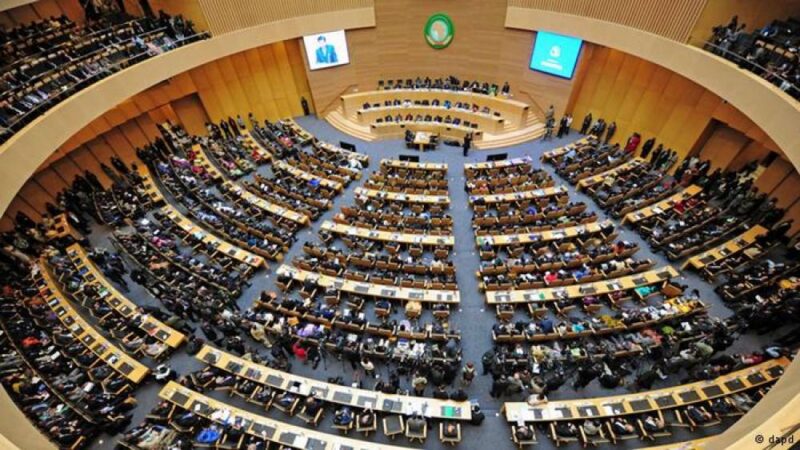
For three days in July 2026, Abidjan became the epicenter of African economic discourse as the African Economic Conference (AEC) unfolded at the headquarters of the African Development Bank. Jointly organized with the United Nations Development Programme and the Organisation for Economic Co-operation and Development, this year’s edition centered on the theme of “Strengthening Africa’s Geopolitical Influence and Trade Resilience in a Multipolar World.”
The conference kicked off with opening remarks from Souleymane Diarrassouba, Côte d’Ivoire’s Minister of Planning and Development. Over 4,000 participants from across the continent and beyond tuned in digitally to engage with the discussions, as reported by AfDB officials.
ACE-Network: A new era for African economic governance
The final day marked the inauguration of the African Chief Economists Network (ACE-Network), a groundbreaking initiative designed to consolidate the continent’s economic expertise. This platform aims to synchronize policy responses and foster unified strategies to navigate global economic shocks.
According to AfDB leadership, ACE-Network will equip African nations with the tools to address pressing challenges amid rising geopolitical fragmentation. Professor Kevin Urama, AfDB Vice President, emphasized the critical need for Africa to bolster its knowledge systems and amplify its voice in global financial governance.
Shifting from raw exports to value-driven growth
Speakers underscored the urgency of localizing resource processing rather than exporting raw materials. Ahunna Eziakonwa, UNDP Regional Director for Africa, stressed that Africa’s economic independence is its most potent geopolitical asset.
Raymond Gilpin, UNDP Chief Economist for Africa, cautioned that global uncertainties will continue to test the continent’s institutional resilience. Marie-Laure Akin-Olugbade, AfDB Senior Vice President, urged participants to move beyond discussions and translate conference recommendations into tangible policy actions.
Why Abidjan? The strategic hub of West African finance
Since relocating its headquarters from Tunis in 2014 following Côte d’Ivoire’s political crisis, Abidjan has steadily risen as West Africa’s premier diplomatic and financial hub. Hosting the AEC 2026 further cements its role as a pivotal player in shaping the continent’s economic future.
As the leading economy in the West African Economic and Monetary Union, Côte d’Ivoire is doubling down on infrastructure development and local processing of key commodities, particularly cocoa, to drive sustainable growth.
Boosting intra-African trade and economic sovereignty
Discussions highlighted the critical need to dismantle trade barriers and enhance infrastructure to unlock the full potential of intra-African commerce. Rather than aligning with external geopolitical blocs, participants championed the pursuit of true economic decision-making autonomy for the continent.
Concluding statements from July 12–13 called for the construction of a resilient and prosperous Africa capable of asserting itself in global trade negotiations. The newly launched ACE-Network is positioned as the vehicle to turn this vision into coordinated continental policies.