Five years after goita’s coup in Mali: a nation trapped between insecurity and repression
Five years after Goïta’s coup in Mali: a nation trapped between insecurity and repression
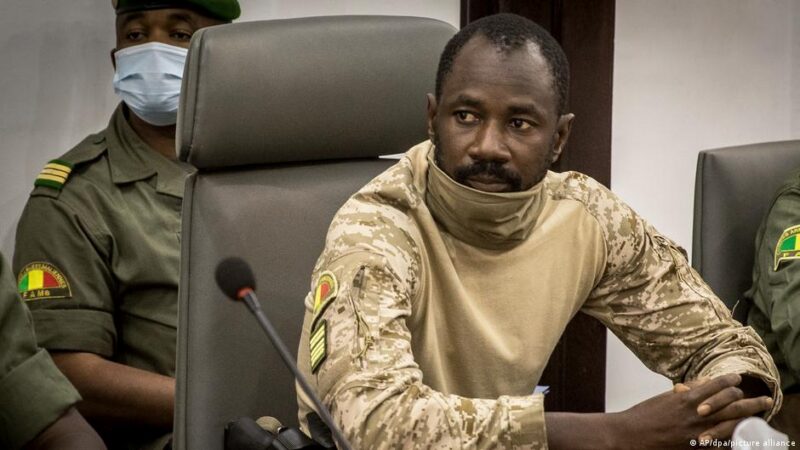
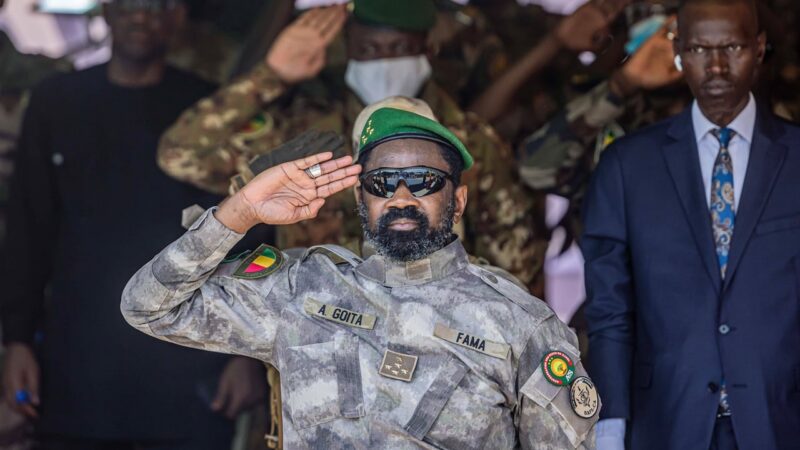
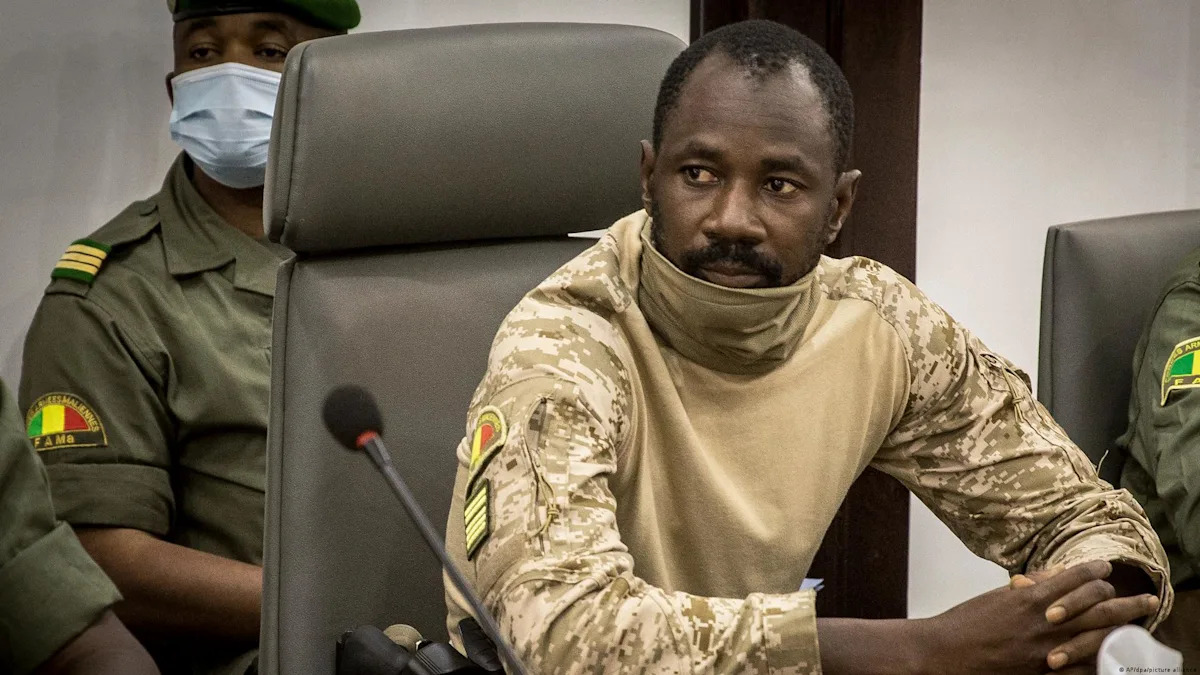
Five years to the day since General Assimi Goïta seized power in Mali through a military coup, the country’s situation has only worsened. Security has deteriorated, press freedom has been curtailed, and public criticism of the government is increasingly dangerous.
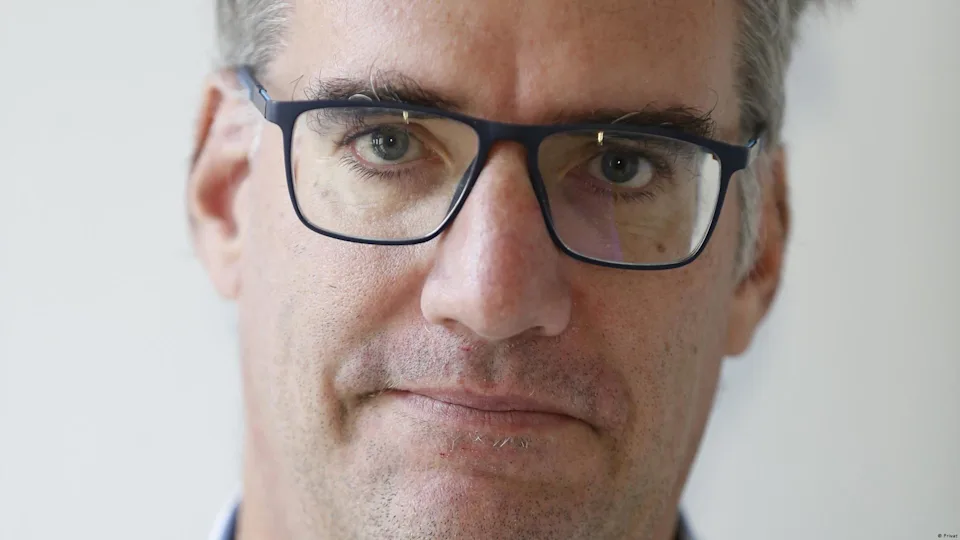
In an exclusive exchange, Ulf Laessing, director of the Konrad Adenauer Foundation’s Sahel program in Mali, assesses the consequences of this five-year rule.
The shrinking space for dissent
Ulf Laessing explains that repression has intensified. While private conversations may still occur among trusted individuals, public criticism is now rare. Critical voices have been jailed or forced into exile, signaling a clear shift in Mali’s political climate.
What progress has been made since the junta took over?
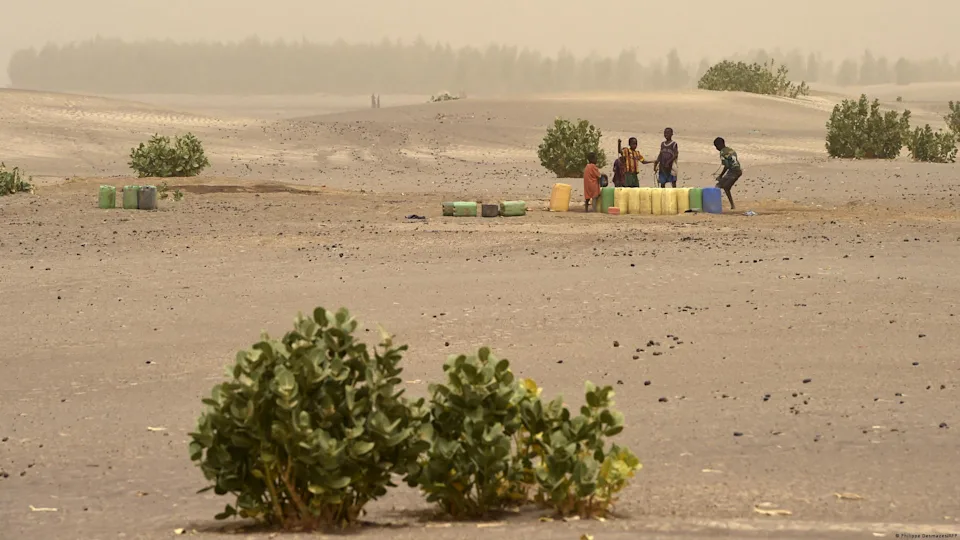
Initially, security improved in some regions, allowing farmers to return to their fields. However, this progress was short-lived. Today, the crisis persists, exacerbated by rapid population growth, climate change, and relentless insurgencies. Laessing remains deeply pessimistic about any government’s ability to reverse the situation.
Jihadists and rebels: a growing threat
Despite the junta’s stated goal of eradicating Islamist militants, the JNIM and Islamic State have expanded their control over vast areas of Mali. Laessing believes these groups cannot be militarily defeated, even by a new coup or future elections.
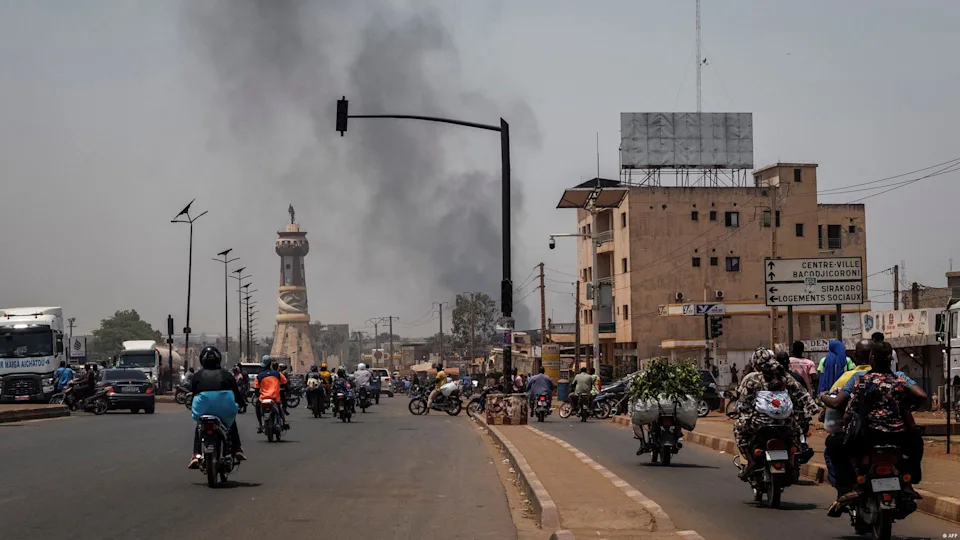
The late April coordinated attacks by jihadists and Tuareg rebels were the most severe since 2012. Though the government survived, it suffered a major loss of prestige. These assaults caught both the Malian state and its Russian allies off guard.
Russia’s failed intervention
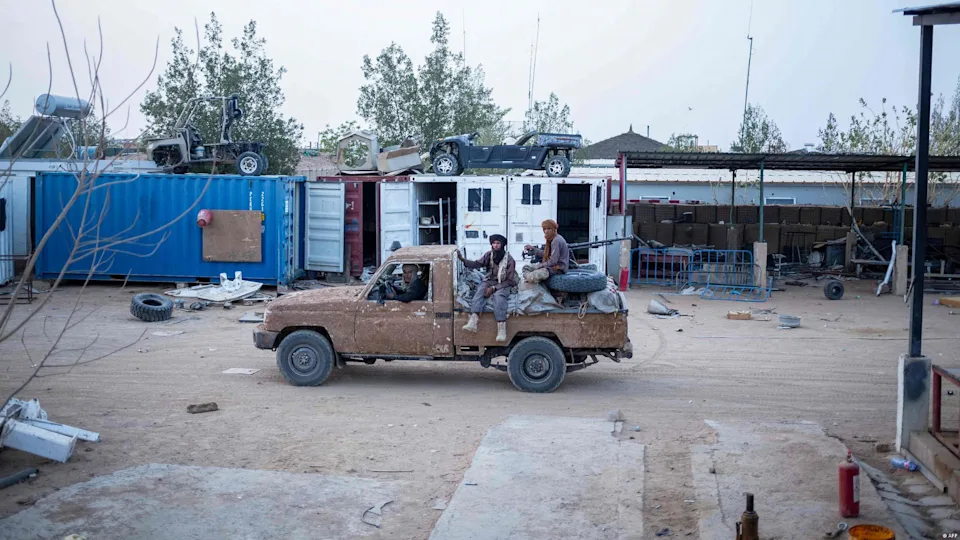
Russia deployed between 1,500 and 2,000 mercenaries, far fewer than France had at its peak. Their brutal tactics worsened the conflict, and their withdrawal from key northern cities like Kidal without a fight became a humiliating setback.
Regional solidarity: more rhetoric than action
Despite declarations of support from the Alliance of Sahel States (AES)—comprising Mali, Niger, and Burkina Faso—only limited military assistance materialized. Both Niger and Burkina Faso are struggling with their own insurgencies, limiting their capacity to help.
While the three juntas share ideological ties, their economic and military constraints make meaningful cooperation difficult. These countries rank among the world’s poorest, forcing them to prioritize survival over regional defense.
Is dialogue with militants possible?
Laessing argues that the majority of Malians reject both jihadist rule and the return of corrupt former elites tied to France. He suggests that negotiations with moderate factions of armed groups could be a path forward—similar to past compromises in Mauritania, where certain Islamic laws were adopted without full Taliban-style enforcement.
Public sentiment: no appetite for extremism
Despite frustrations with the junta, most Malians fear a jihadist takeover more than military rule. Public protests remain rare, even after recent attacks, as citizens recognize that any alternative to Goïta could lead to stricter Islamic governance.
The average Malian is just 15 years old, with many lacking access to education or reliable information beyond social media. Online narratives often reflect Russian-backed propaganda portraying the junta in a positive light. Without major unrest, Goïta’s government is likely to endure.
The population has grown weary of political promises. Many former politicians, once in power, failed to deliver improvements, further eroding trust. As a result, support for the current regime persists—not out of enthusiasm, but from fear of worse alternatives.